The First Responder Education and Training Center will anchor Metropolitan Community College’s new Sarpy County campus
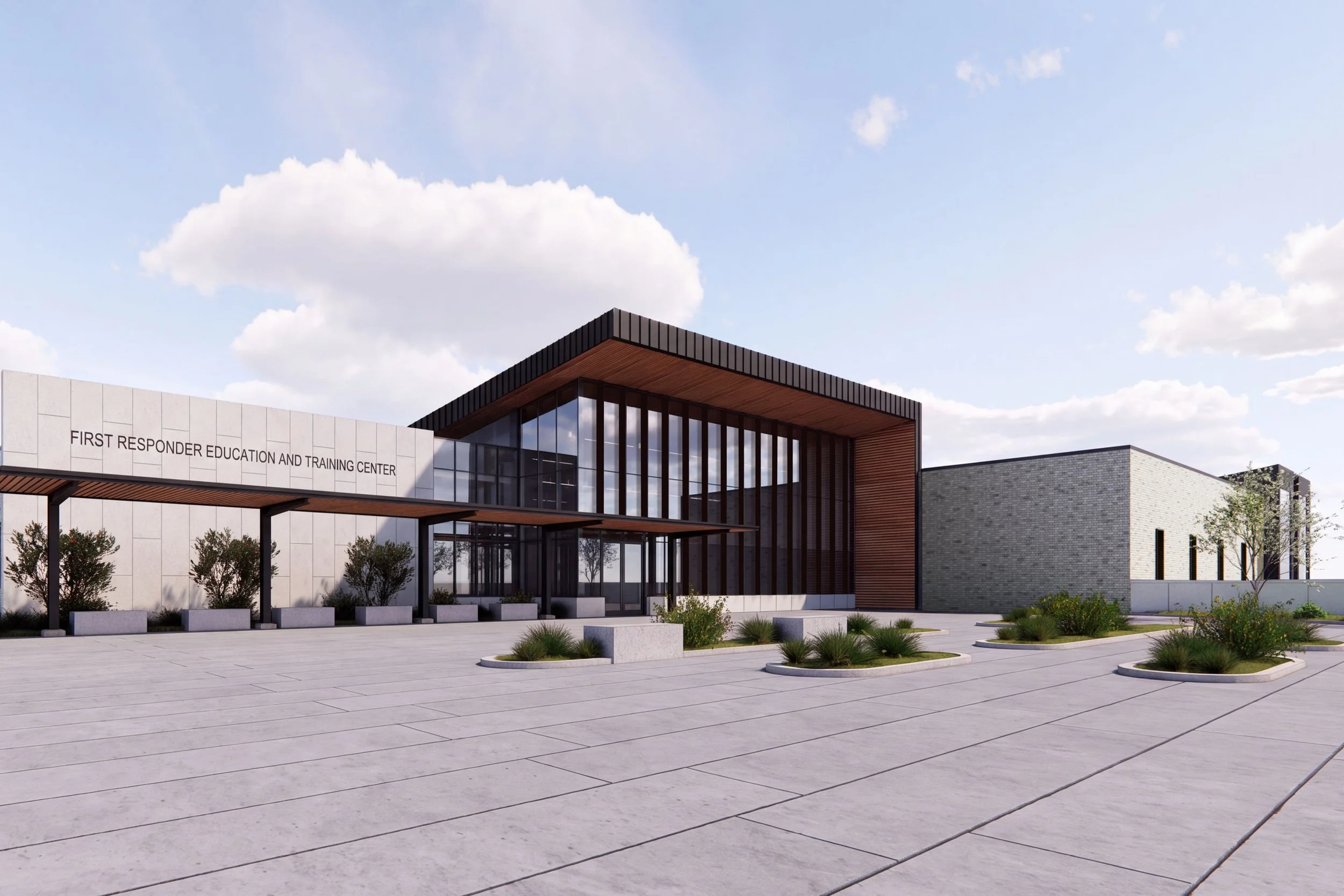
LEO A DALY is supporting Metropolitan Community College and the Nebraska Philanthropic Trust in advancing their long-term vision with a First Responder Education and Training Center at Metro's new Sarpy County Campus. The 90,000 SF facility will serve as a regional hub for first responder education and professional training, bringing together MCC's Fire Science Technology, Emergency Medical Services and Criminal Justice programs under one roof.
“The students who train here will go on to serve communities across the region, and we’re honored to be designing a place that helps prepare them for that responsibility," said Stacy Feit, LEO A DALY project director. “This facility will support generations of students while also strengthening the communities they will ultimately serve.”
The project recently broke ground.
Designed to reflect the realities of modern emergency response, the center will provide a wide range of hands-on learning environments, including advanced EMS and fire simulation labs, technical rescue training spaces, virtual reality skills labs, a tactical training warehouse, and flexible areas for multidisciplinary training and regional collaboration. The facility will be a place where students, first responder agencies and public safety professionals can train side-by-side.
The project is a cornerstone of MCC’s new 144-acre Sarpy County Campus, located at the intersection of Highways 50 and 370, the College's first new full-service campus in more than four decades.
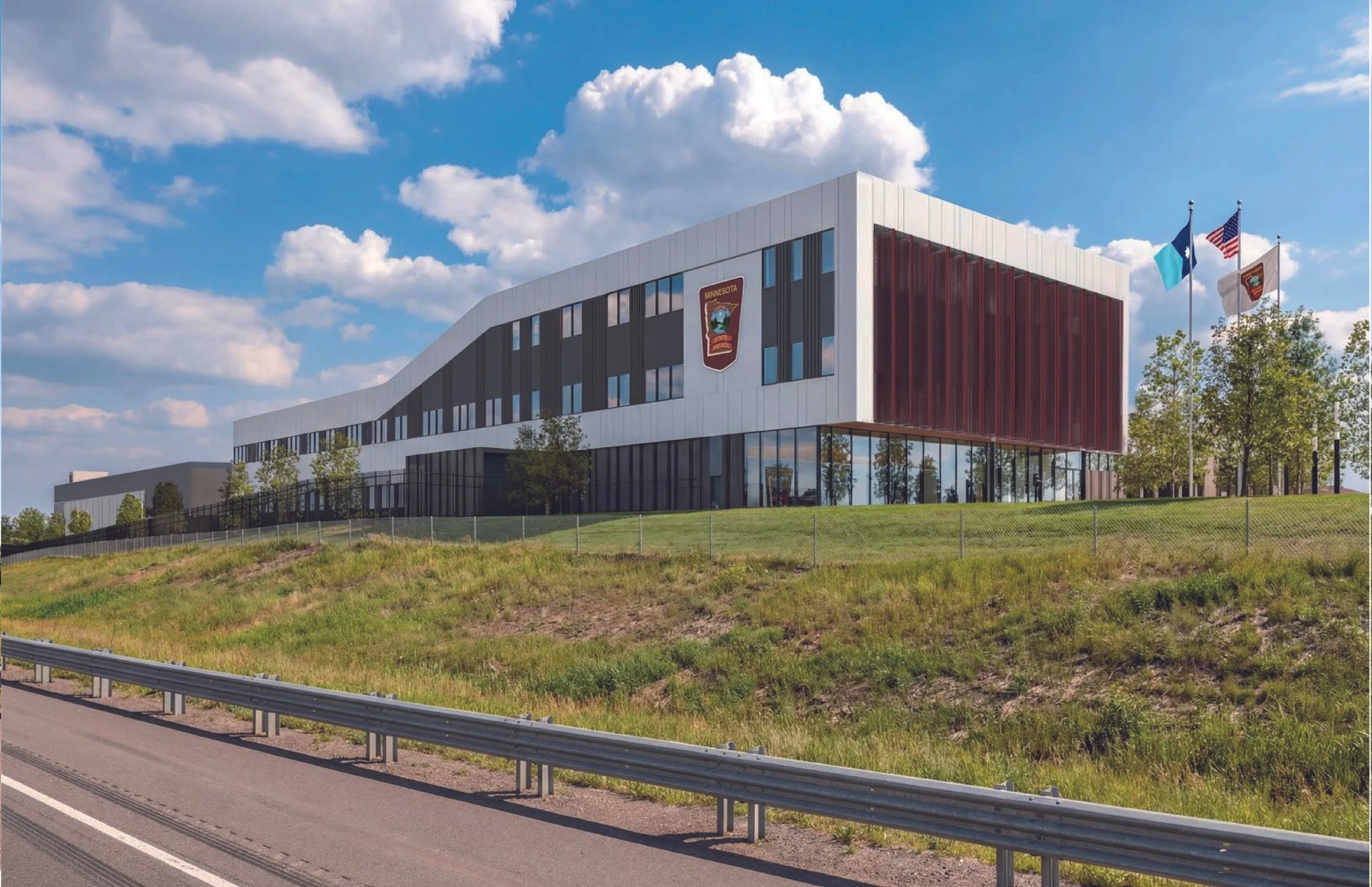
The MCC First Responder Education and Training Center builds on LEO A DALY's decades of experience designing first responder training facilities. From the immersive simulation environments of Wake Tech's Public Safety Simulation and Drone Training Facility in North Carolina to Lakeville, Minnesota's new FiRST Center and the expanded North Metro Regional Public Safety Training Facility in Minnesota, LEO A DALY has helped create realistic, adaptable training environments for all types of first responders.