
5 Questions with LEO A DALY’s Clayton Herndon
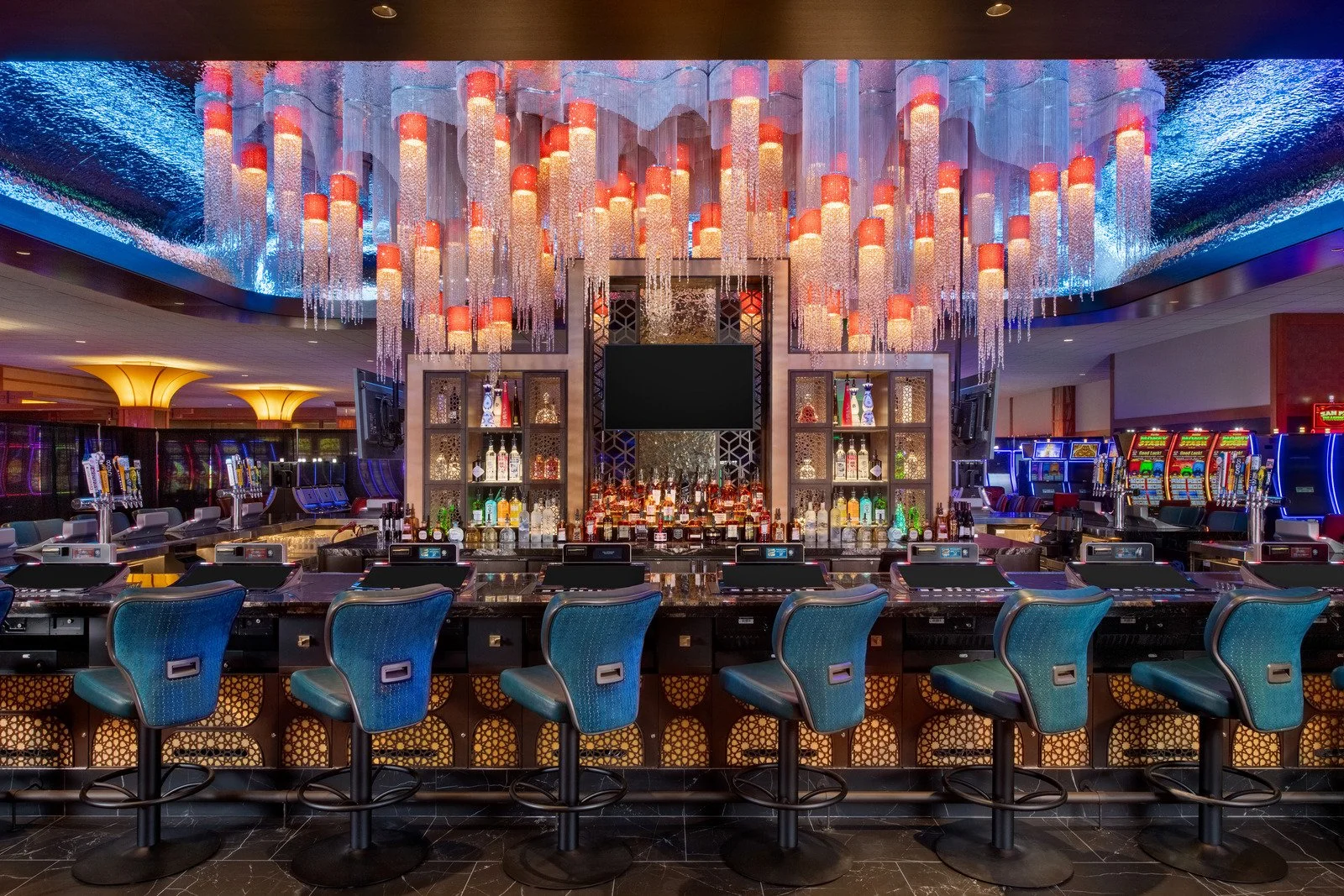
The North Bar at Pechanga Casino Resort in Temecula, California
Recent Perspectives

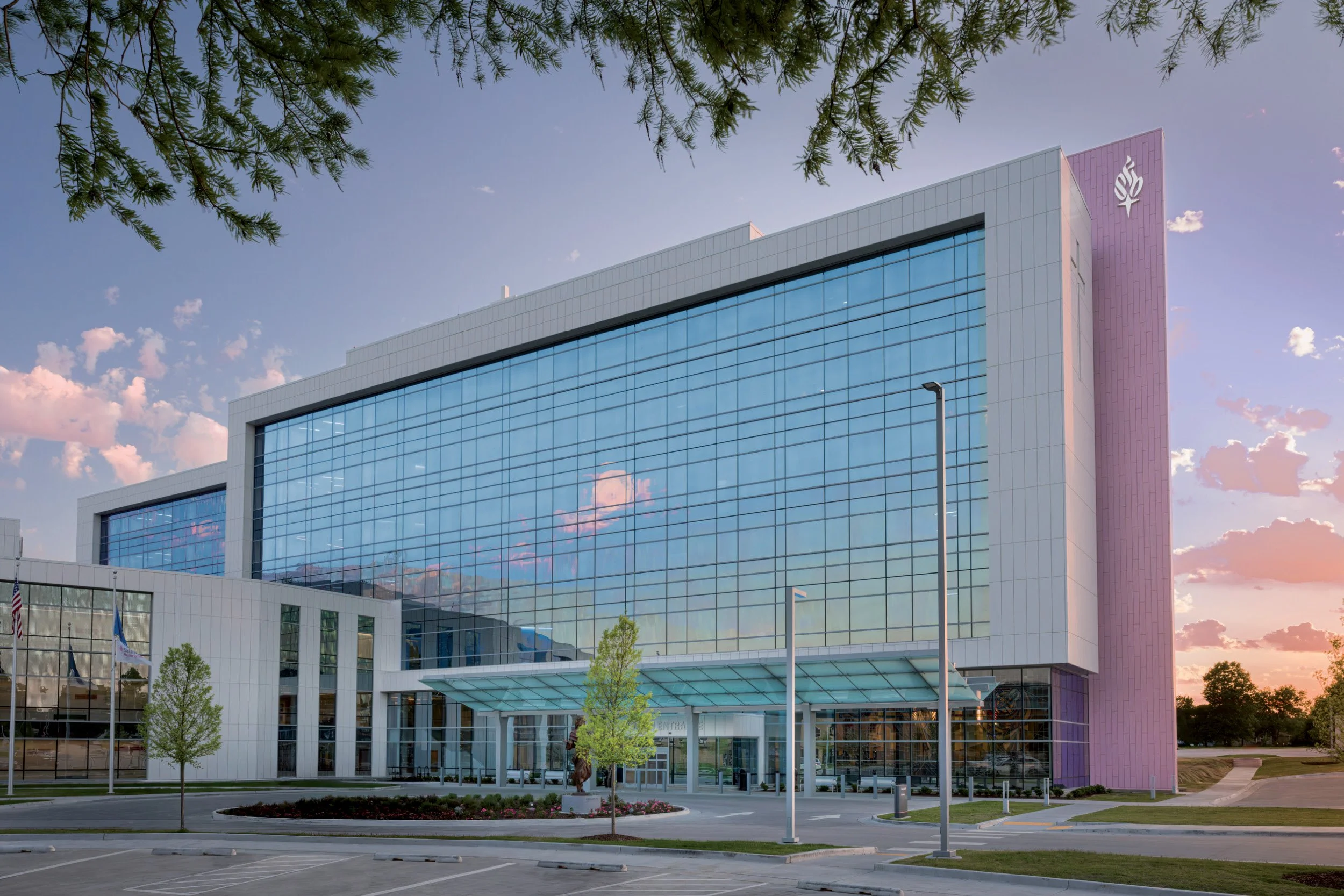
As tribal gaming operators continue to diversify their offerings and expand their campuses, casino design is evolving far beyond the gaming floor. Today’s tribal casino developments function as full-scale hospitality and entertainment destinations, incorporating hotels, restaurants, spas, event venues, retail, and infrastructure designed to support long-term economic growth. At the same time, tribal nations are balancing the need to modernize aging facilities, integrate emerging technologies, and create memorable guest experiences while maintaining uninterrupted operations and protecting critical revenue streams.
In this article, Senior Associate and Senior Project Manager Clayton Herndon explores the trends shaping the next generation of tribal casino development. He discusses the challenges of growing active casino campuses, the impact of technology and infrastructure investments, and the opportunities he sees ahead for tribal gaming destinations.
What are the most significant challenges involved in renovating or expanding an existing tribal casino?
The biggest challenge is balancing growth with uninterrupted operations. Tribes may be adding gaming space, hotels, restaurants, spas, entertainment venues or even large infrastructure to campuses that have evolved over decades, which creates significant logistical complexity. Every decision has a ripple effect, from relocating gaming positions and guest amenities to completely revising parking and site circulation, all while preserving the guest experience. Successful tribal casino campuses require extensive master planning and a deep understanding of each tribe's long-term goals, available land, market opportunities, and economic development ambitions, which increasingly extend beyond gaming into hospitality, retail and other revenue-generating ventures.
We encourage all our tribal casino clients to work with us to create and maintain master plan documents with project prioritization and long-term schedules. This allows them to budget their capital costs for many years into the future and phase projects effectively.
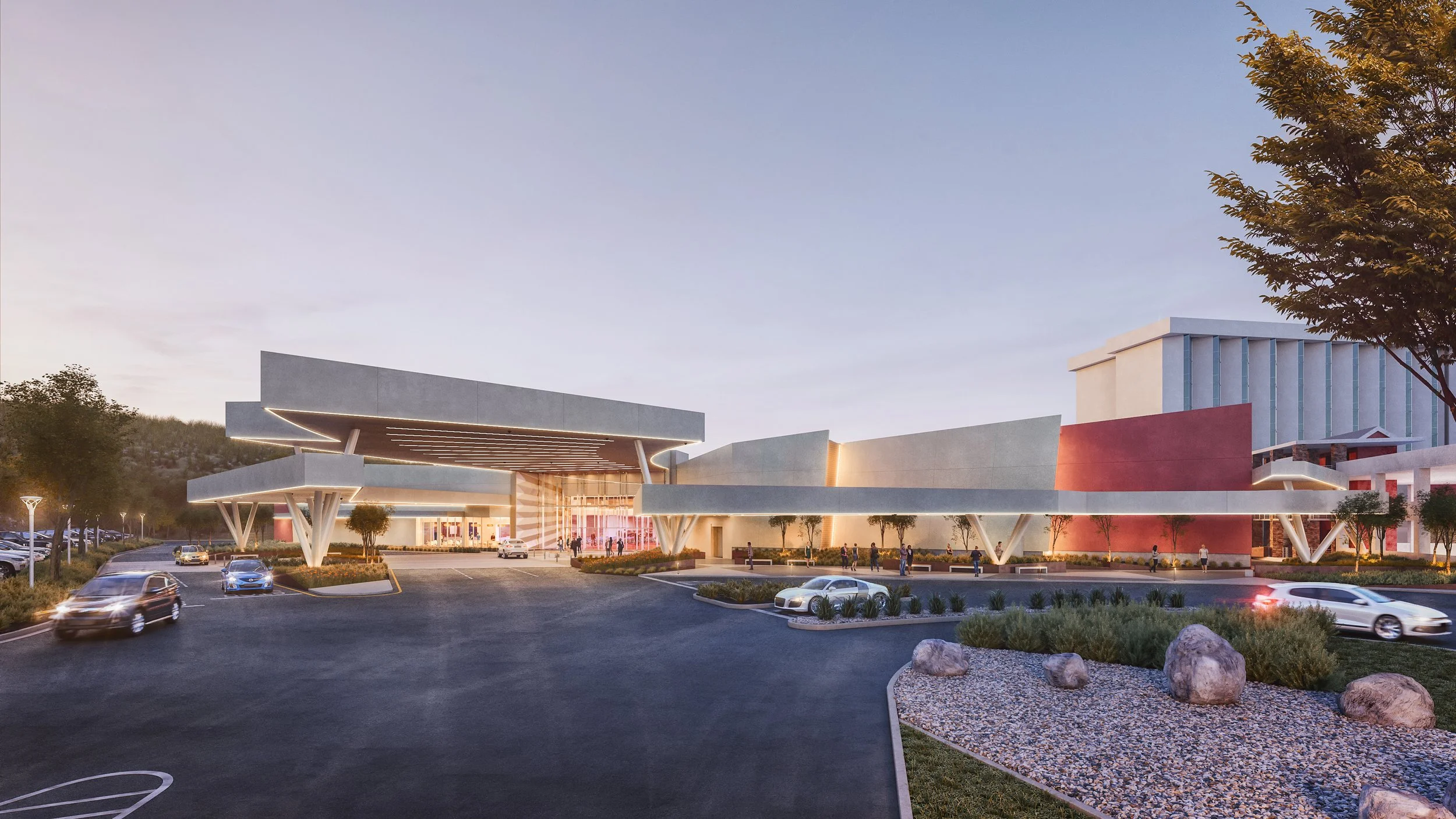
Valley View Casino in Valley Center, California
Casino operations run 24/7 and disruptions can directly impact revenue. What strategies do you use to phase construction and minimize impacts on guests, staff, and gaming operations during a renovation?
While the master plan guides the phasing of the overall campus, each project endeavor has its own phasing and scheduling work plan. Maintaining the guest experience is the priority. Competition between casinos for patronage is high; our clients don’t want to lose guests during construction.
The planning process starts long before construction begins, with detailed discussions about which spaces will be affected, how gaming operations can be maintained, and what temporary accommodations may be needed.
As the design professionals, it is our responsibility during programming and phasing to ask all the pertinent questions and make sure all the stakeholders are at design charettes early to minimize receiving new requests in the design development phase.
For example, if a players club area is scheduled for renovation, a temporary location must be identified and designed so guest services can continue uninterrupted. Coordination with gaming operations is also critical because gaming devices often need to be relocated and reinstalled in phases. Every decision comes down to finding the right balance between minimizing short-term inconvenience and maintaining revenue while positioning the property for long-term growth.
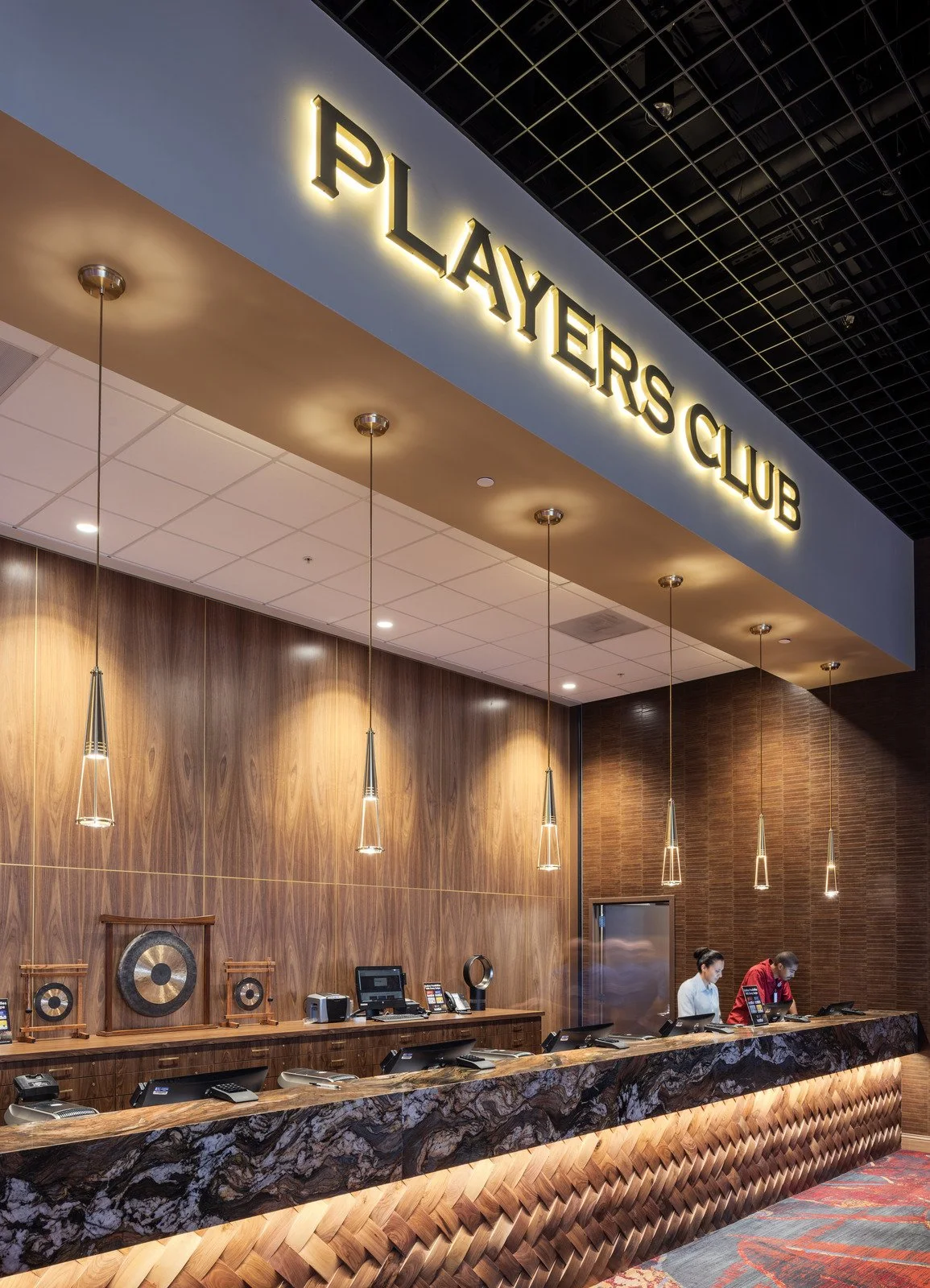
The Players Club at Valley View Casino in Valley Center, California
How do regulatory and code requirements influence the design of tribal gaming facilities, and what unique considerations must design teams navigate throughout the project lifecycle?
While tribes are sovereign, the compacts held with state governments require that all state and municipal codes and regulations be maintained. What changes for us is the plan review schedule. A project that would take 6-8 months to permit outside tribal jurisdiction takes 6-8 weeks inside tribal jurisdiction. At the project design level, the biggest challenge is working within a structure that may be 20 years old and has gone through seven code cycles with many additions and renovations. Egress, accessibility, structural, and energy requirements have to be evaluated for compliance.
How do you approach planning, budgeting, and decision-making to help clients manage costs while avoiding unexpected surprises during design and construction?
We stay actively involved throughout design and construction to ensure decisions align with both budget and operational goals. Our goal is to help clients understand the implications of every decision, whether related to phasing, operations, construction, or future expansion plans. This helps us to ensure there are no surprises later on down the line in the project.
The keys to success come down to proactive planning, constant communication and documentation. This means asking the right questions early, identifying logistical challenges before they become costly issues and working closely with stakeholders to understand the full scope of the project. One of the biggest challenges we face at the start of the project is gaining the trust of our clients as professionals in the field which then allows us to guide the team in setting realistic schedules that allow for the smoothest path to a successful project.
Even with diligence, most casino projects start without all the answers, so documenting what we don’t know and providing allowances is as important as documenting what we do know. An example of this is a theater renovation we’re currently working on. Our client has asked us to start designing finishes, seating, and bars to reduce schedule. However, the theatrical audio-visual scope is not defined. Clearly documenting the impact this might have on budget and schedule, as well as potential redesign, will make future discussions regarding the impacts easier.
Where do you see the biggest opportunities for innovation in tribal casino design over the next decade?
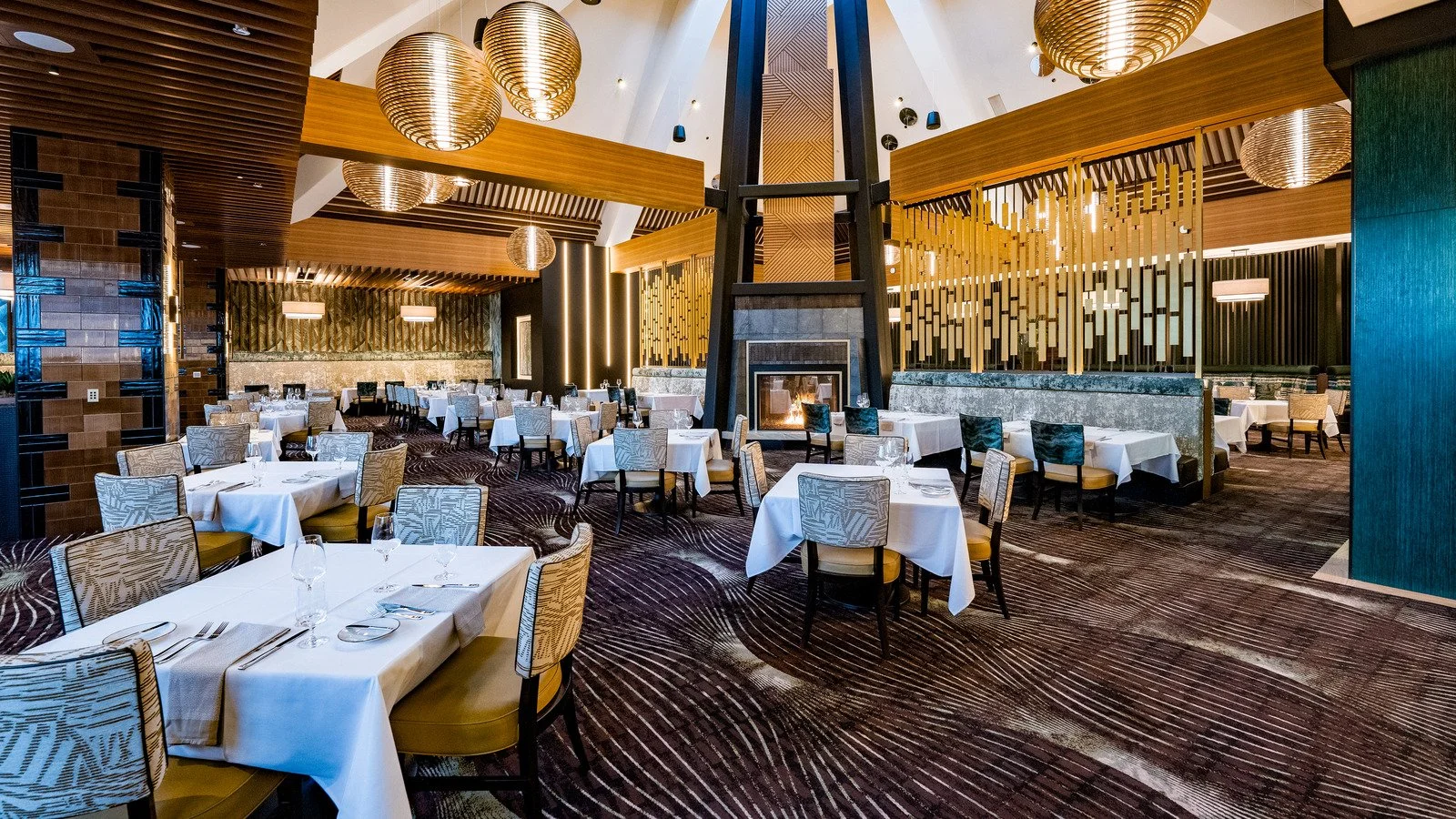
Grove Steakhouse at Viejas Casino and Resort in Alpine, California
The rapid change in technologies across all sectors of operations influences our physical design. Cashless gaming and integrated guest experience technologies reduce the front of house space for cashiers , cash cage areas, and players' club services, but increase back of house requirements for server racks and office space for guest hosts. Other new technologies for sports book, like geofencing, and robotic services are also changing the physical space requirements. As the lead design professionals, our challenge is to understand and design with these technologies and explain to the client that the level of sophistication and coordination to integrate these advancements increases our design effort. It really is an exciting time for design in the gaming and entertainment sector.
Lastly, one of the biggest opportunities I see for growing casino campuses is big infrastructure projects. Municipal utility companies are becoming less reliable while the operations of casinos are becoming more reliant on clean, uninterrupted utilities. In addition, the equipment life cycle of existing campus infrastructure is phasing out. This creates an opportunity for new distributed generation projects; combined heating and power plants that can increase efficiency by 60% or more, solar arrays and battery storage are all becoming part of larger casino campuses.
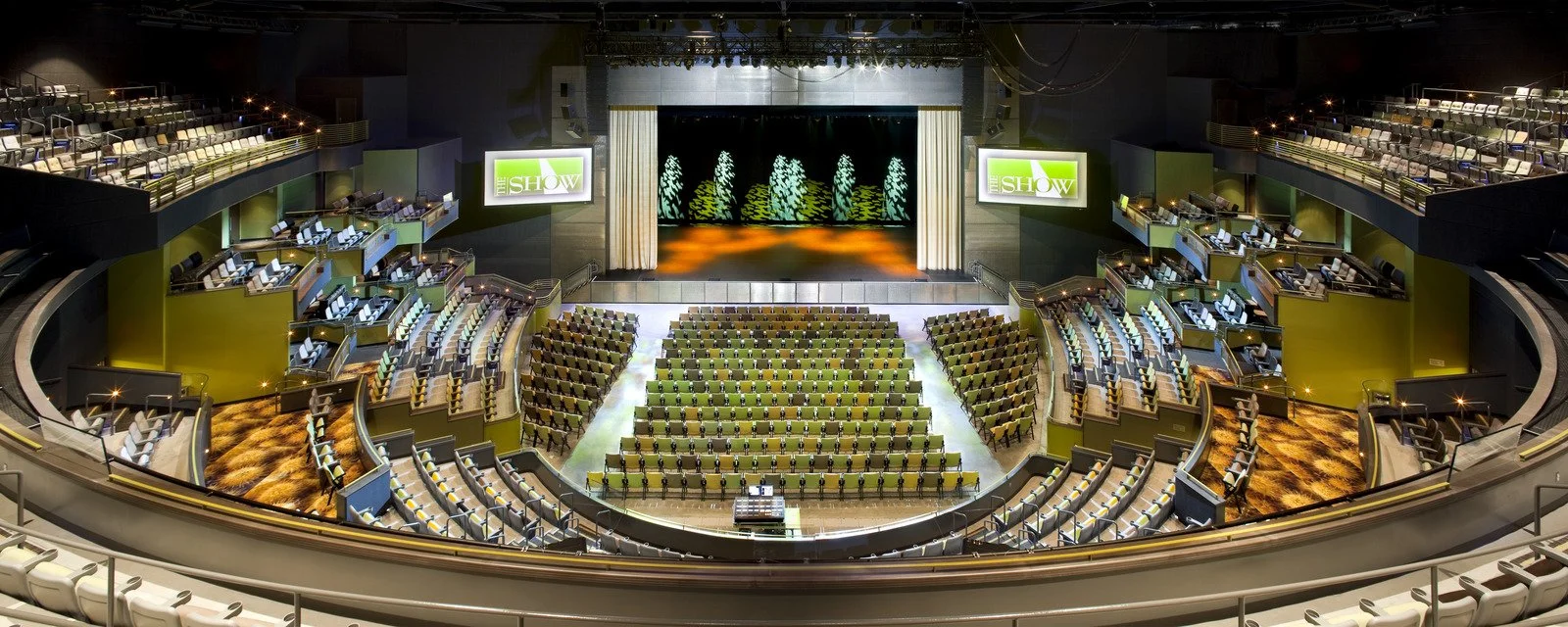
The Show at Agua Caliente Casino in Rancho Mirage, California
About the author
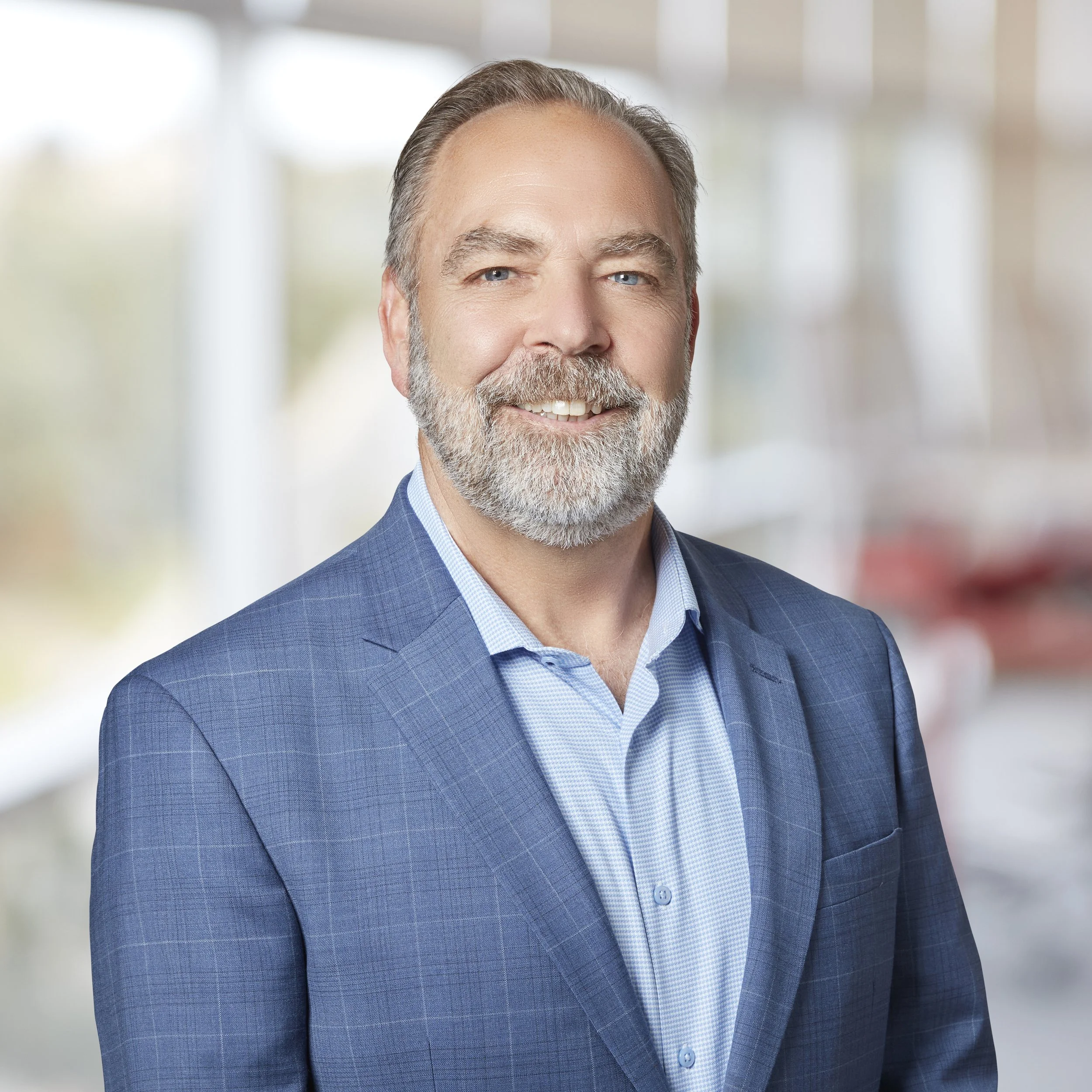
Clayton Herndon
Senior Associate, Senior Project Manager
Clayton Herndon joined the firm in 1995 and has served as Senior Associate since 2017, bringing over 30 years of expertise to Delawie, a LEO A DALY studio. For the past decade, he has focused extensively on tribal clients, spearheading both hospitality and tribal community projects. He specializes in managing fast-track and integrated project delivery for hospitality, entertainment and science and technology clients. Clayton is dedicated to advancing sustainable practices in the building industry and has shared his expertise through lectures for the Construction Specifications Institute.