
How to infuse passenger experience into aviation design
Six Questions with Rey Funes
Recent Perspectives
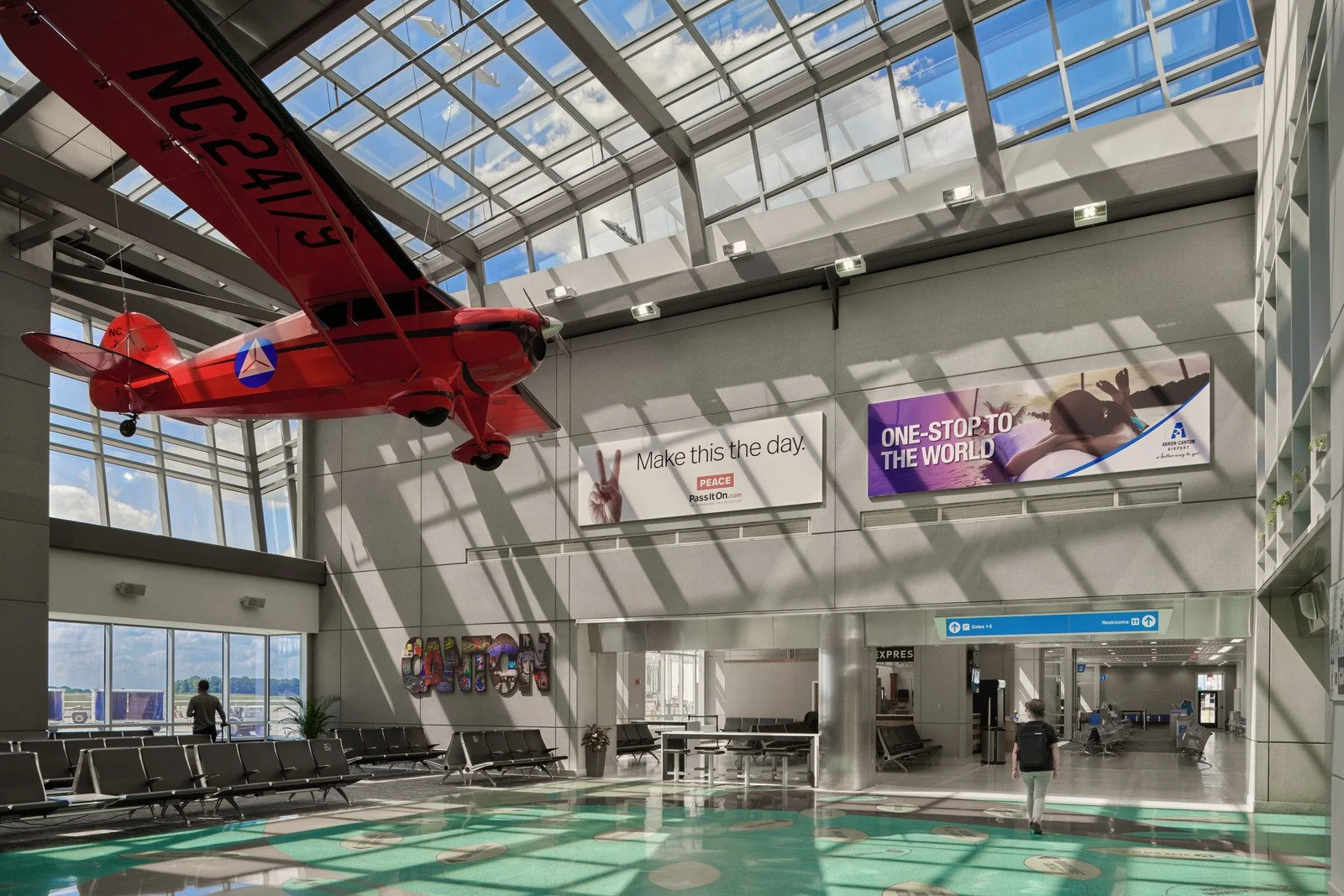

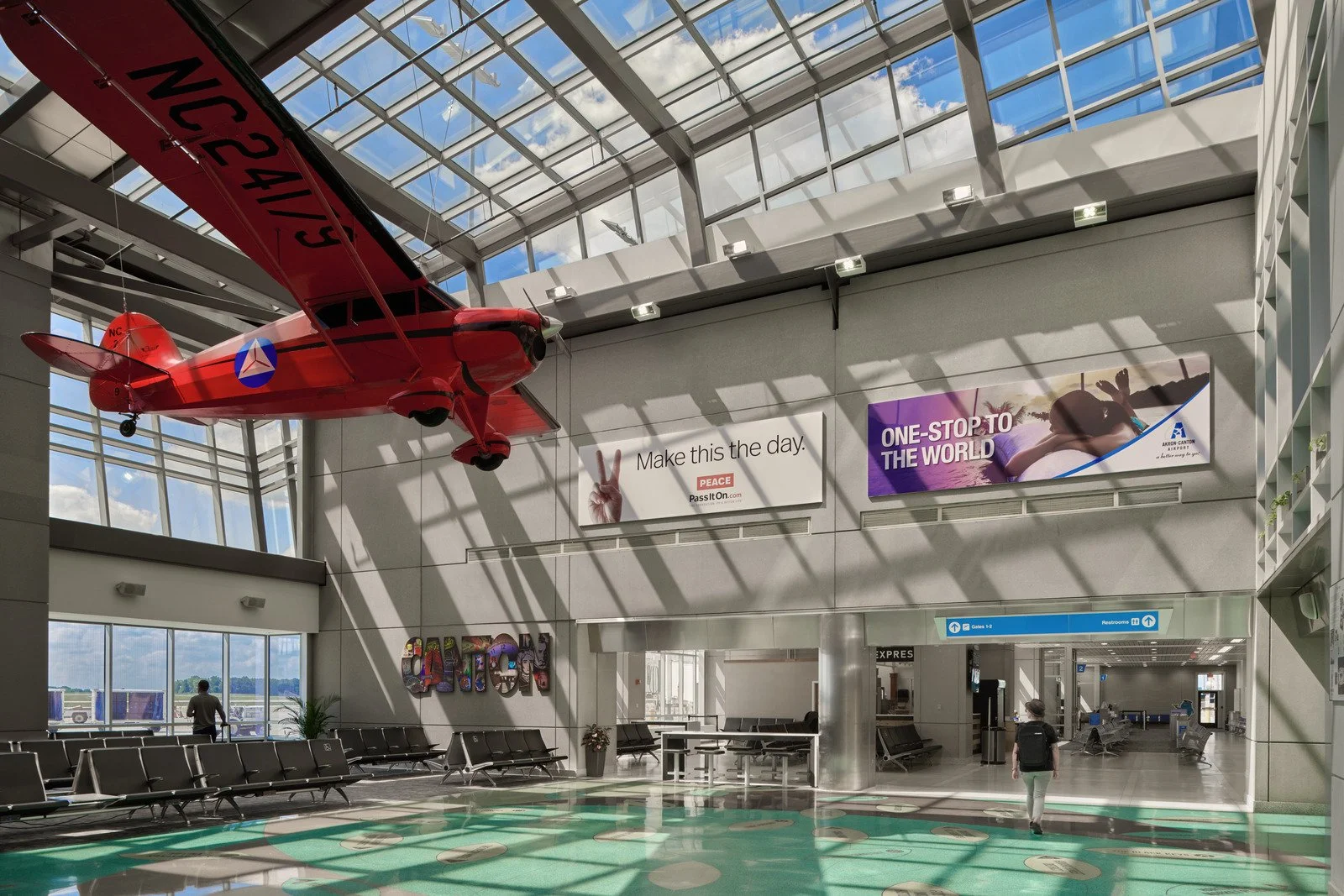
As passenger expectations evolve, designers are reimagining airport terminals as environments that reduce stress, offer greater comfort, and create a stronger sense of place. From flexible gate areas and hospitality-inspired amenities to biometric screening and data-driven operations, airport design is increasingly focused on making every step of the journey more intuitive, efficient, and human-centered.
In this interview, aviation project director Rey Funes shares his perspective on how airports are balancing efficiency with comfort, technology with human connection and operational performance with memorable passenger experiences. With more than-20 years in the aviation industry, Funes provides strategic design leadership from concept development through construction, ensuring cohesive, functional, and brand-aligned solutions. His aviation management expertise informs thoughtful design decisions that respond to operational requirements, safety standards, and passenger experience goals, giving him a unique perspective on the future of airport design and the evolving role of terminals as gateways to their communities.
As airports increasingly draw inspiration from hospitality, what do you think the passenger experience of the future will look like?
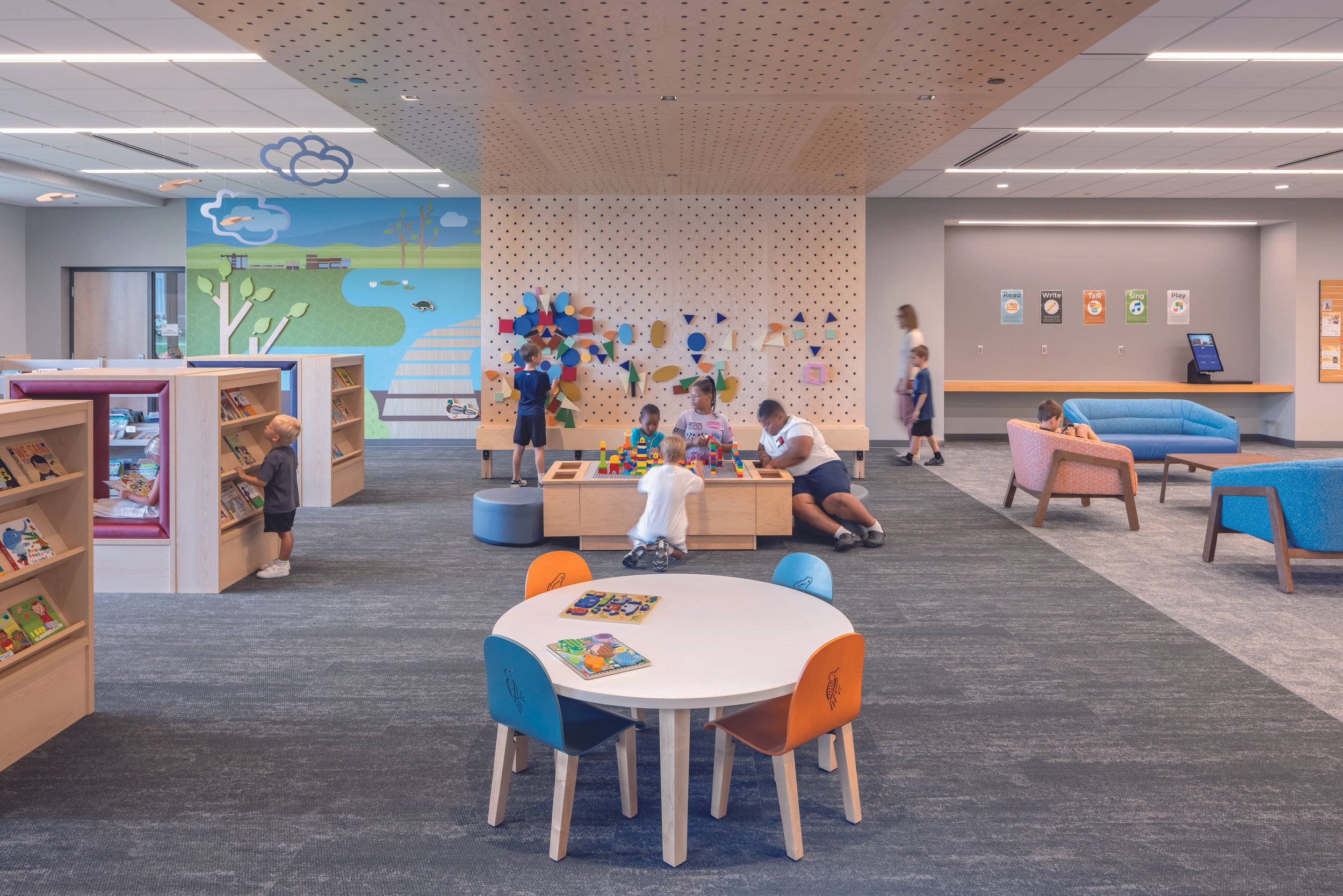
I expect the terminal to feel less like a transit machine and more like a well-run hotel lobby or urban district. Passengers will arrive with much of the administrative friction of travel already handled digitally, move through minimal-friction checks, and spend their time in spaces that offer choice: a quiet corner to work, a restaurant with local character, a wellness room or a play area for kids. Personalization will play a bigger role, with apps that give tailored wayfinding and real-time updates so people know exactly when to leave a lounge or restaurant. Lounges and premium comforts will keep expanding, but the more meaningful shift is bringing hospitality-level comfort to everyone through good seating, natural light, clean restrooms, and thoughtful acoustics. Airports will also increasingly express the identity of their city, becoming destinations in themselves rather than anonymous corridors.
How are architects rethinking holdrooms, gate areas, and circulation spaces to better serve modern travelers?
The traditional holdroom, a row of bolted chairs facing a ticketing agent desk, is giving way to more flexible, varied environments:
Mixed seating: lounge chairs, communal tables, quiet zones, bar seating, and family areas, with power at nearly every seat.
Gate flexibility: swing gates and shared holdrooms that adapt to aircraft size and flight schedules, so space isn't stranded when a gate is idle.
Decoupled waiting: placing food, retail, and amenities close to gates, with clear flight information, so passengers can relax away from the gate and return when boarding starts.
Better circulation: wider concourses, separated moving-walkway lanes, and clear sightlines so people who are rushing and people who are lingering don't conflict.
Biophilia and daylight: indoor gardens, natural materials, and views to the apron, which reduce stress and give the space a sense of place.
Much of the airport experience is shaped by systems passengers never see. How do behind-the-scenes operations influence the way airports are designed?
Operations are the connective tissue of an airport. Baggage handling, aircraft turnaround, security throughput, airline gate assignments, fueling, and staff circulation all dictate structural grids, ceiling heights, and adjacencies long before finishes are chosen. A baggage system needs floor-to-floor volume and routing that shapes the terminal's section. Aircraft parking geometry determines the shape of piers and concourses. Security equipment sets the size and layout of checkpoints, and changes as screening technology evolves. Good designers work closely with operators so that these systems remain invisible to passengers while keeping the building flexible. Terminals that separate back-of-house paths from public ones, and plan for future equipment, stay operate efficiently far longer.
How are emerging technologies, from biometric screening to automated passport control, reshaping airport design?
The best airport designs do not treat technology as a series to devices dotted somewhere along the traveler’s path; they embed it into the architecture so passengers can move more fluidly through their process, while the terminal remains adaptable to varying flow volumes, people and material movement needs and evolving real-time logistics. While terminals must also balance flexibility, as systems continue to evolve.
Biometric check-ins, automated passport screening , self-service bag drop, and advanced screening such as CT scanners are changing the speed and flow of how passengers move through the airport and influence much space is required for those functions, stacking and devices. Where passengers once queued in long, fixed lines, single-token biometric journeys let people move through with fewer stops, at a more natural pace, reducing the need for large queuing halls. These speed and flow improvements, then free up valuable terminal space ready for other uses.
The implementation of new technology also comes with new design demands: equipment needs power, data, and space for maintenance, management of acoustics; new kiosks and gates with intuitive placement and clear instructions. As airports manage this change, often these layouts must also accommodate people who can't or prefer not to use automation, so alternative human-assisted lanes remain. This poses design challenges: to accommodate multiple needs, with differing flow and demands, while leveraging saved space for new needs. Architects and Airports have proactively met this challenge, integrating the use of data-driven tools such as digital twins and passenger-flow analytics now let designers simulate crowd behavior and test layouts long before construction ever happens. The key point is that technology, when implemented correctly, enables both more natural human flow, improved analytics that support the travel experiences the airport logistics. Knowing how, and where to embed these technologies seamlessly into the travel path, improving not interrupting the travel experience, is where design opportunity and outcome is greatest rather than filling the terminal with various new technologies, screens and gadgets.
What airport design trends do you believe will have the greatest impact on passenger experience in the next decade?
The rapid embrace of touchless, biometric journeys that shrink queues and reallocate space.
A replacement of fixed, inflexible terminal layouts, with dynamic, adaptable terminals built for changing airline patterns, technology, and passenger volumes and while elevating the ease of experiences to travelers,.
Continued focus on sustainability and resilience: low-carbon materials, energy-efficient systems, on-site renewables, and designs that hold up to climate extremes.
Expanded inclusion of wellness and neurodiversity: sensory rooms, quieter zones, clear and calm environments, and accessibility designed in from the start.
Doubling down on data-informed design and operations, using real-time flow monitoring to adjust staffing and space use.
Advanced ‘experience design’ with more mixed-use airport districts that blend retail, hospitality, work, and civic space.
New mobility integration, including rail, rideshare zones, and eventually advanced air mobility, connecting airports more smoothly to their regions.
As airports become increasingly focused on efficiency, how can designers ensure the journey still feels welcoming and human-centered?
Efficiency should serve the passenger, not the other way around. A few principles help:
Design for emotions, not just throughput. Anxiety peaks at security, wayfinding decisions, and connections, so those are the moments to invest in clarity, calm, and reassurance.
Keep people in the loop. Automation works best when coupled with visible, friendly human staff to help when things go wrong, and for those who need extra support.
Include everyone. Test designs with older travelers, families, people with disabilities, and first-time flyers, not just frequent business travelers.
Create moments of delight and place. Local art, materials, food, and landscape give an airport a sense of belonging that efficiency alone can't provide.
Offer choice and control. Some passengers want speed; others want to rest. Providing both, with clear information, respects different needs.
Use time as a resource. Efficient processing gives passengers back time, so design the spaces where that time is spent as carefully as the ones where it's saved.
In short, the most successful future airports will be those where efficiency is what people don't notice, and where the human touches are what they remember.
About the author

Rey Funes, IIDA, NCIDQ, LEED AP
Associate, Project Director
Rey Funes provides strategic design leadership from concept development through construction, ensuring cohesive, functional, and brand-aligned solutions. His aviation management expertise informs thoughtful design input that responds to operational requirements, safety standards, and passenger experience goals.