Sacramento International Airport, Air Traffic Control Tower and Base Building
Sacramento ATCT + Base Building
-
Sacramento, CA
-
FAA Wester Service Area
-
155 Foot Tower
550 SF Control Cab
9,700 SF Base Building
-
Intermediate Activity Level Tower
12-sided tower geometry for enhanced operational visibility
Four-column control cab design maximizing sightlines
Butt-glazed cab window system
Cast-in-place concrete tower structure
Insulated metal panel building envelope
Continuous insulation with high-performance wall systems
Insulated precast concrete wall panels
Building systems optimized through life-cycle cost analysis
Photovoltaic (solar) energy field
Geothermal HVAC system
Energy-efficient, high-performance building design
FAA-standard facility adapted to site-specific requirements
-
Site Planning, Architecture, Structural, MEP/FP, Civil, Construction Documents, Construction Administration
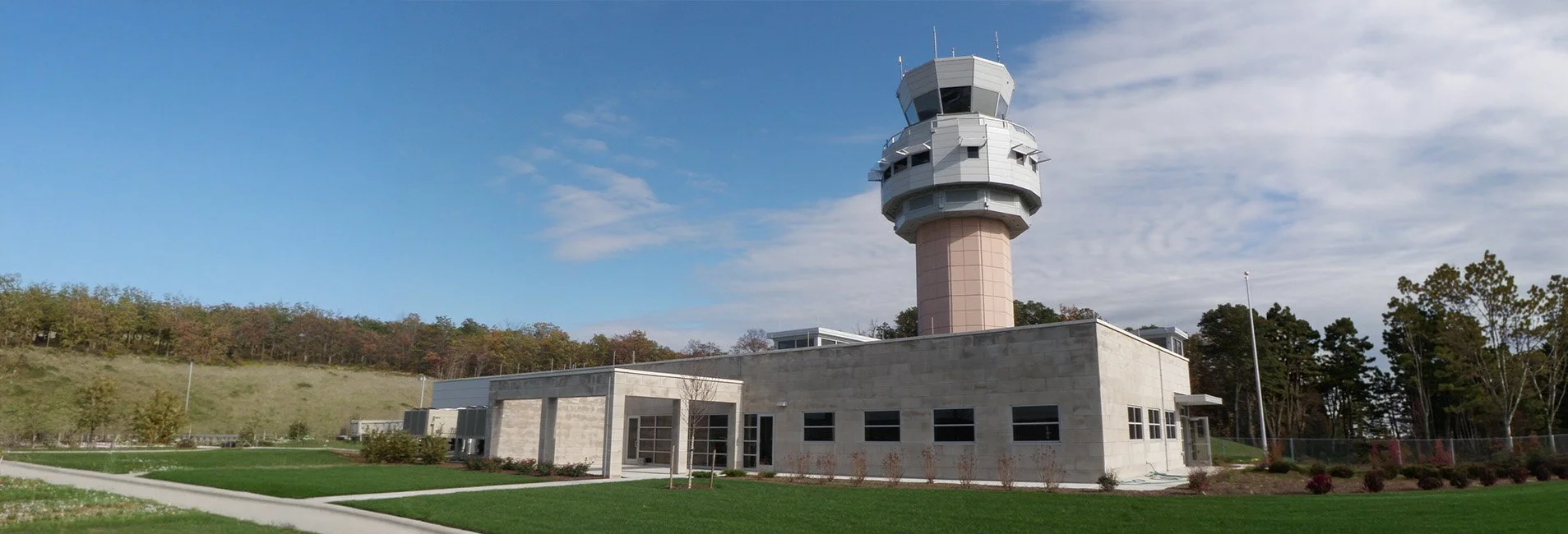
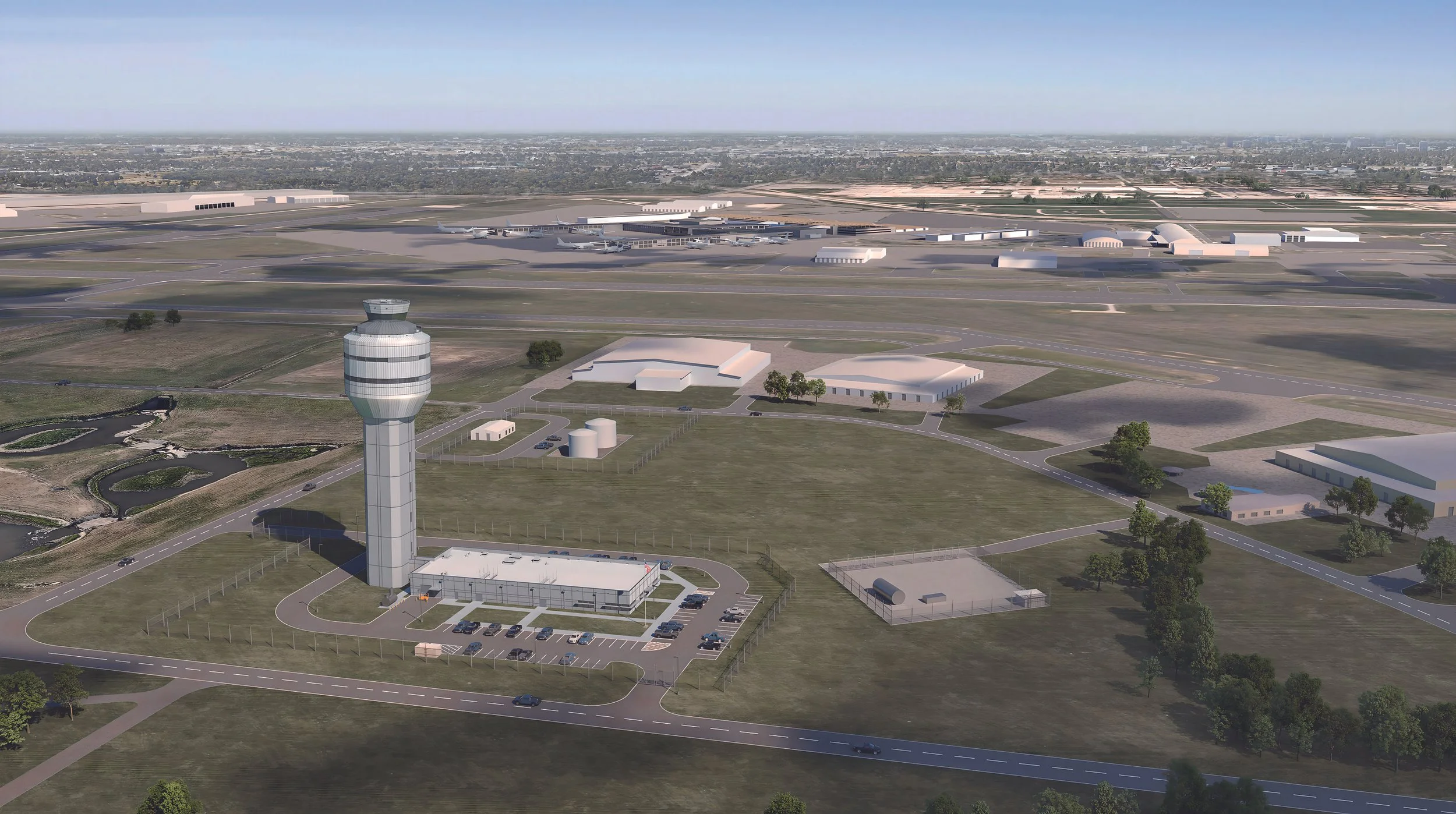
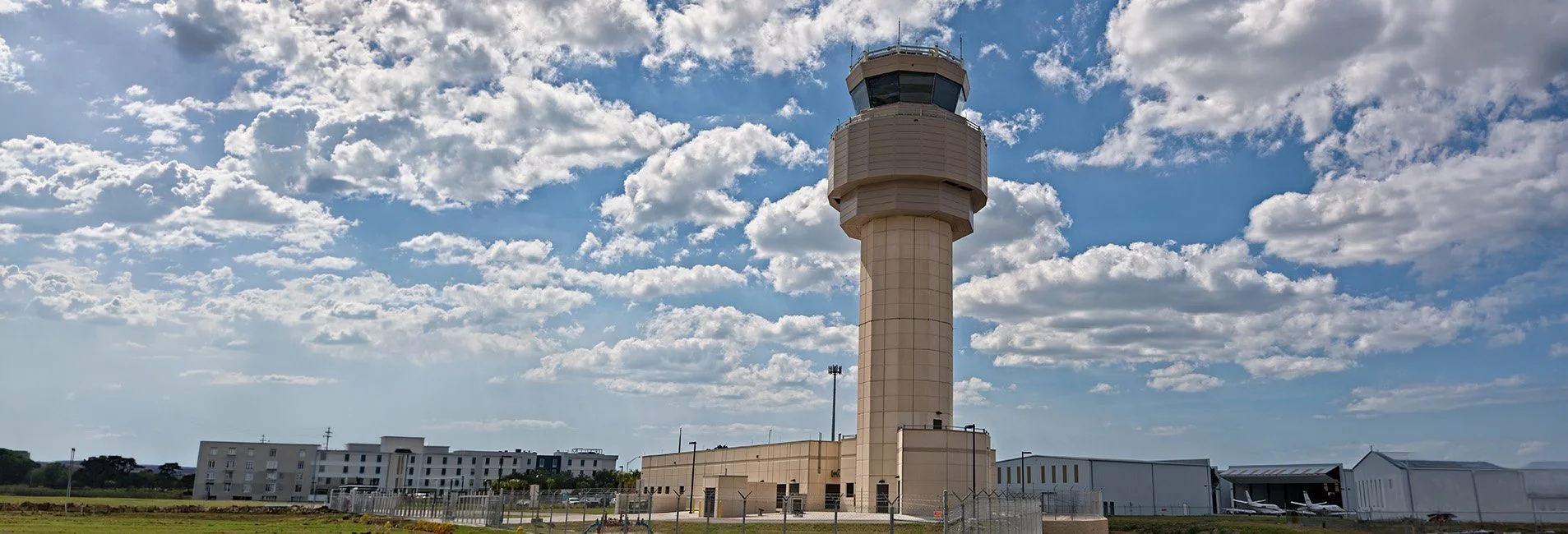
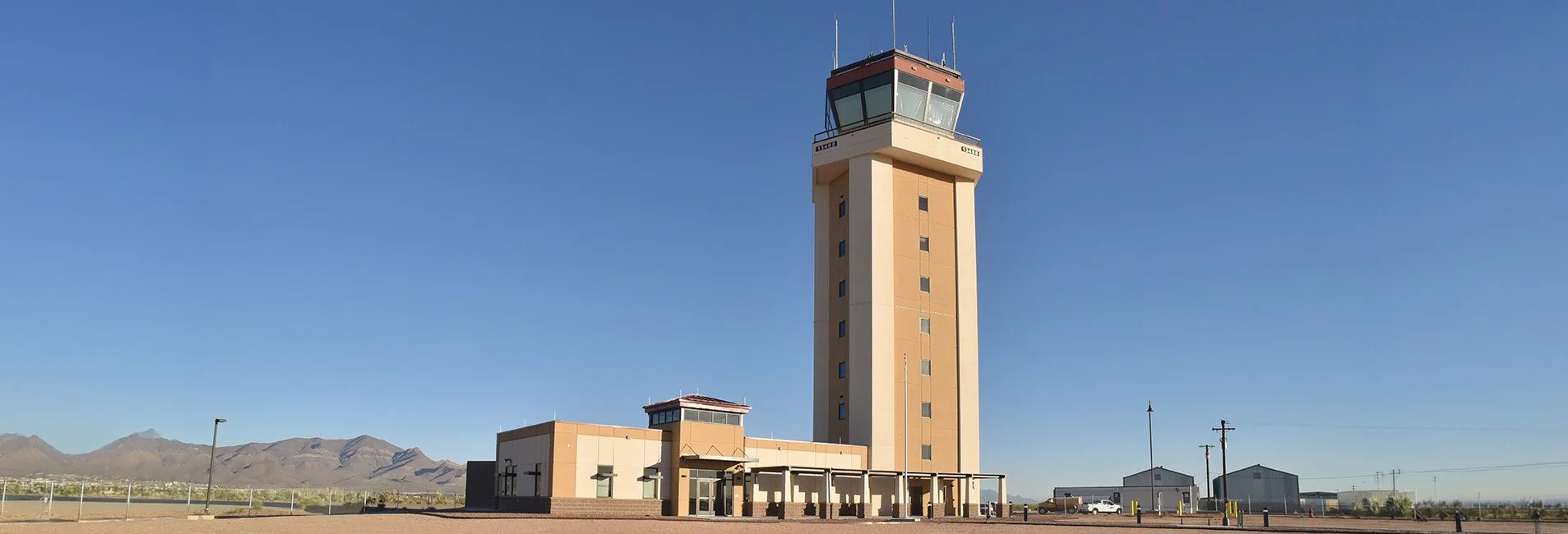
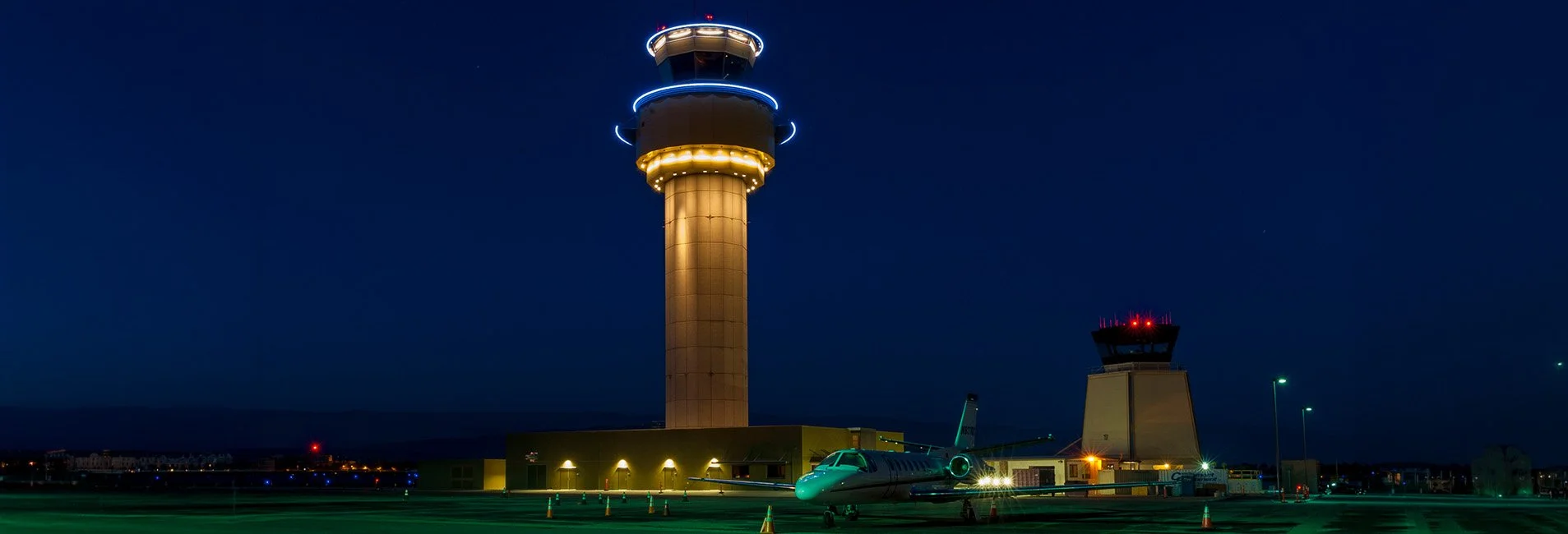
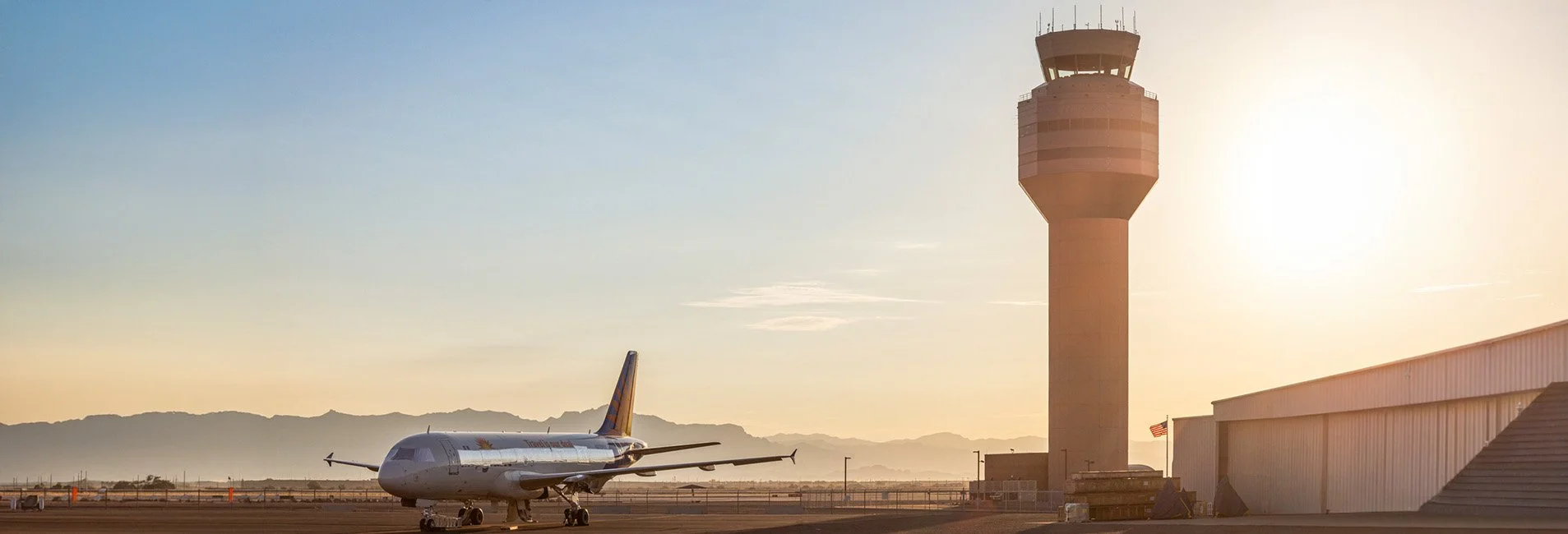
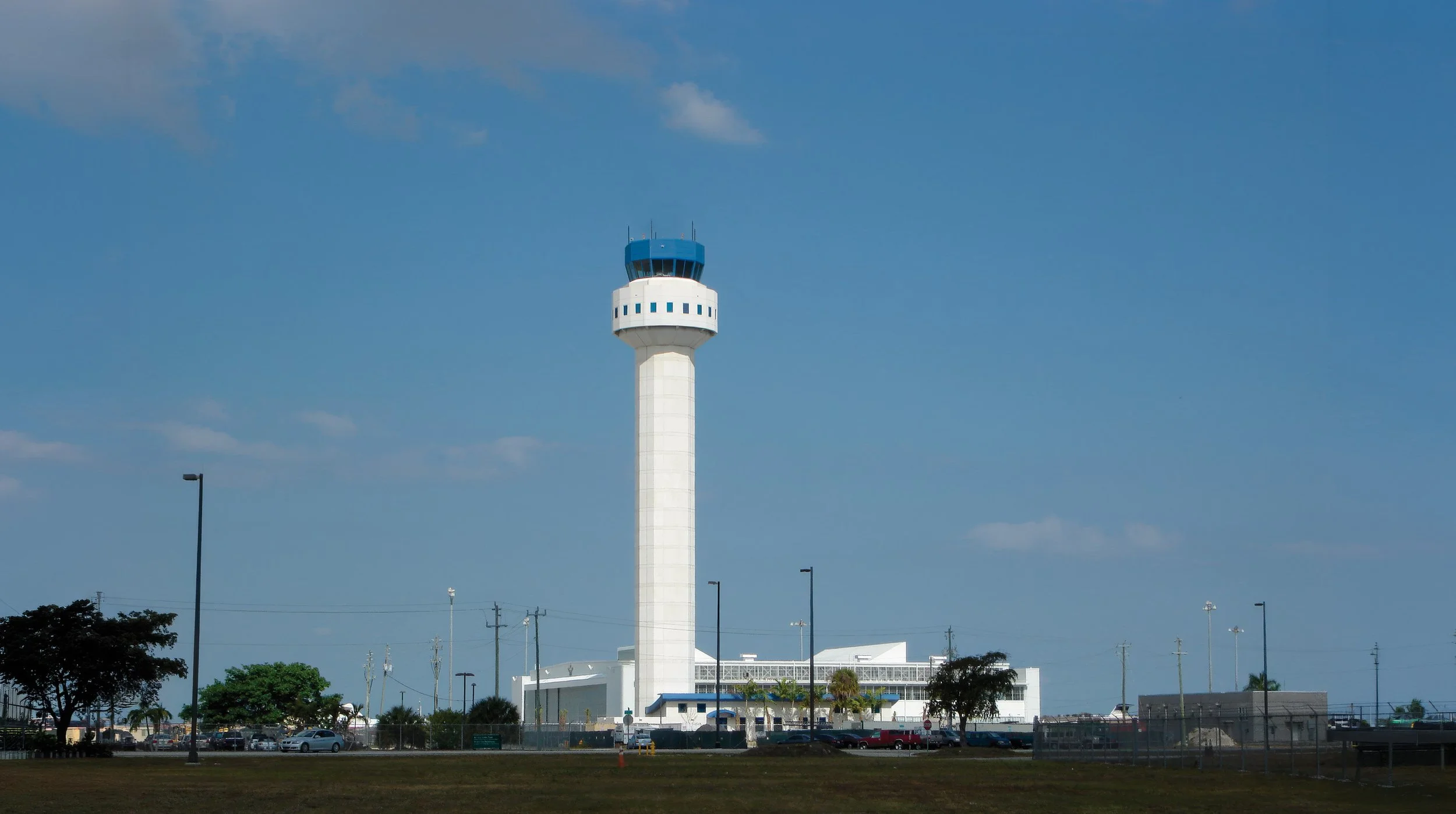
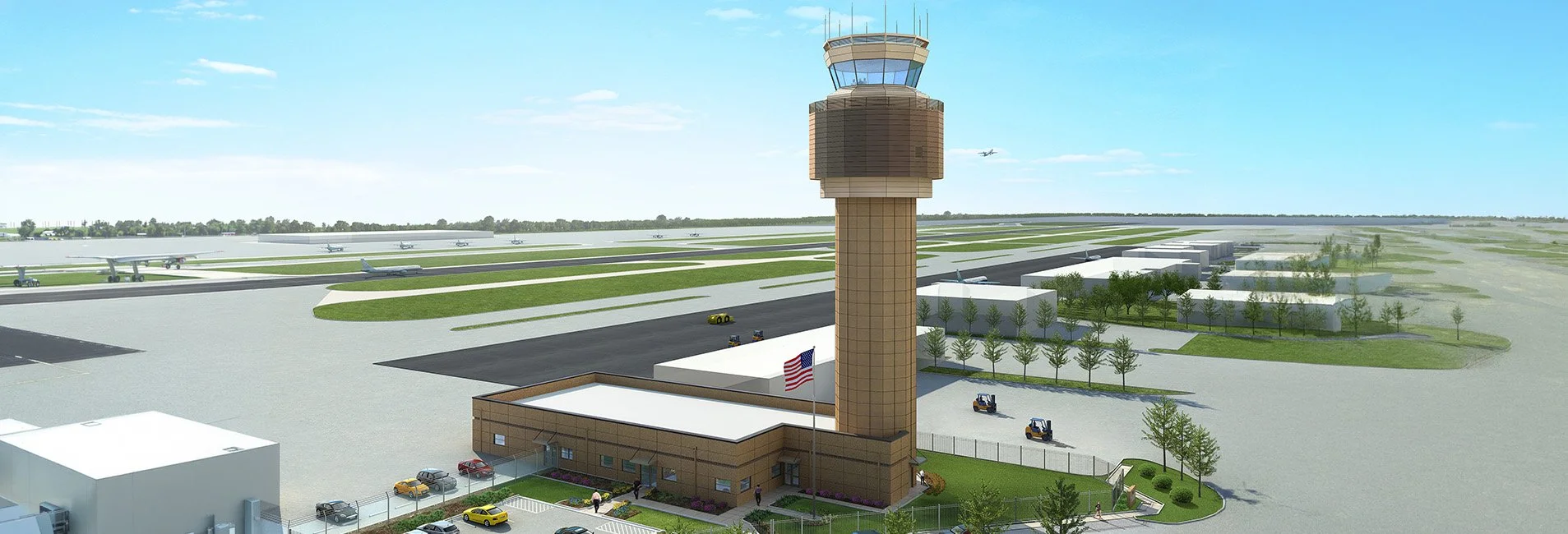
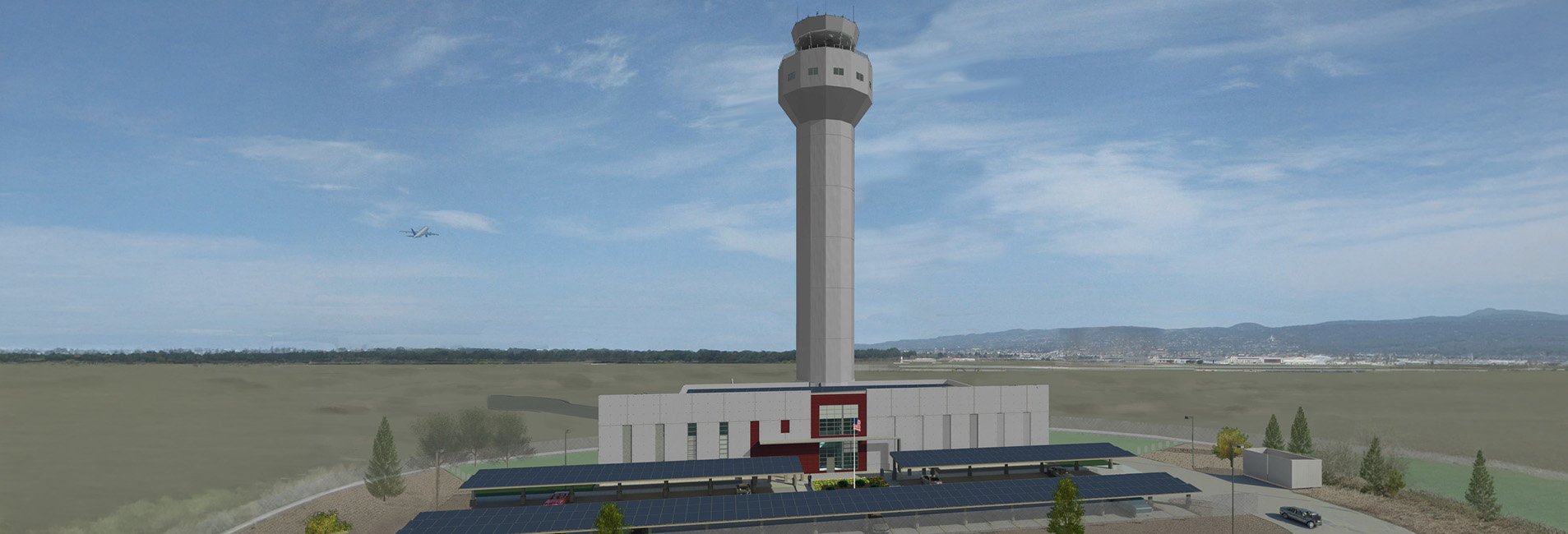
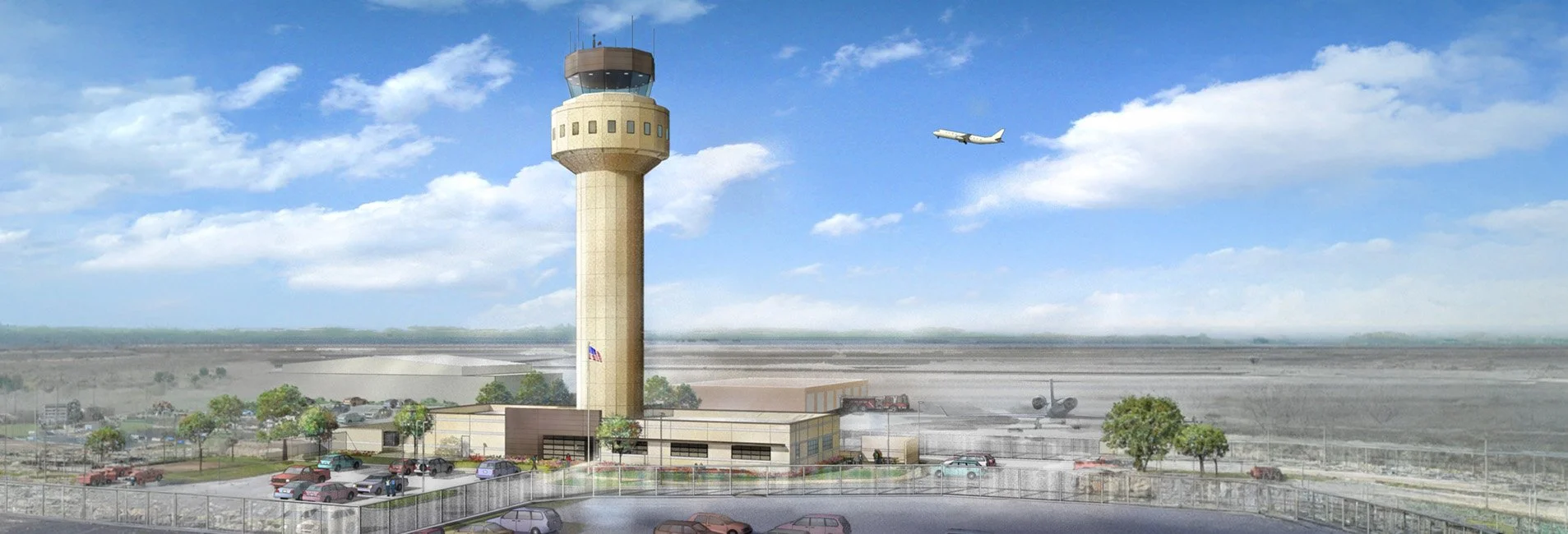
This project consists of a replacement Air Traffic Control Tower (ATCT) and a new administrative base building at Sacramento International Airport. The design incorporates site adaptations of a modified standard FAA Intermediate Activity Level Tower, featuring a 155-foot-tall tower and a 9,000-square-foot administrative base building based on a modified FAA standard floor plan connected by a custom link.
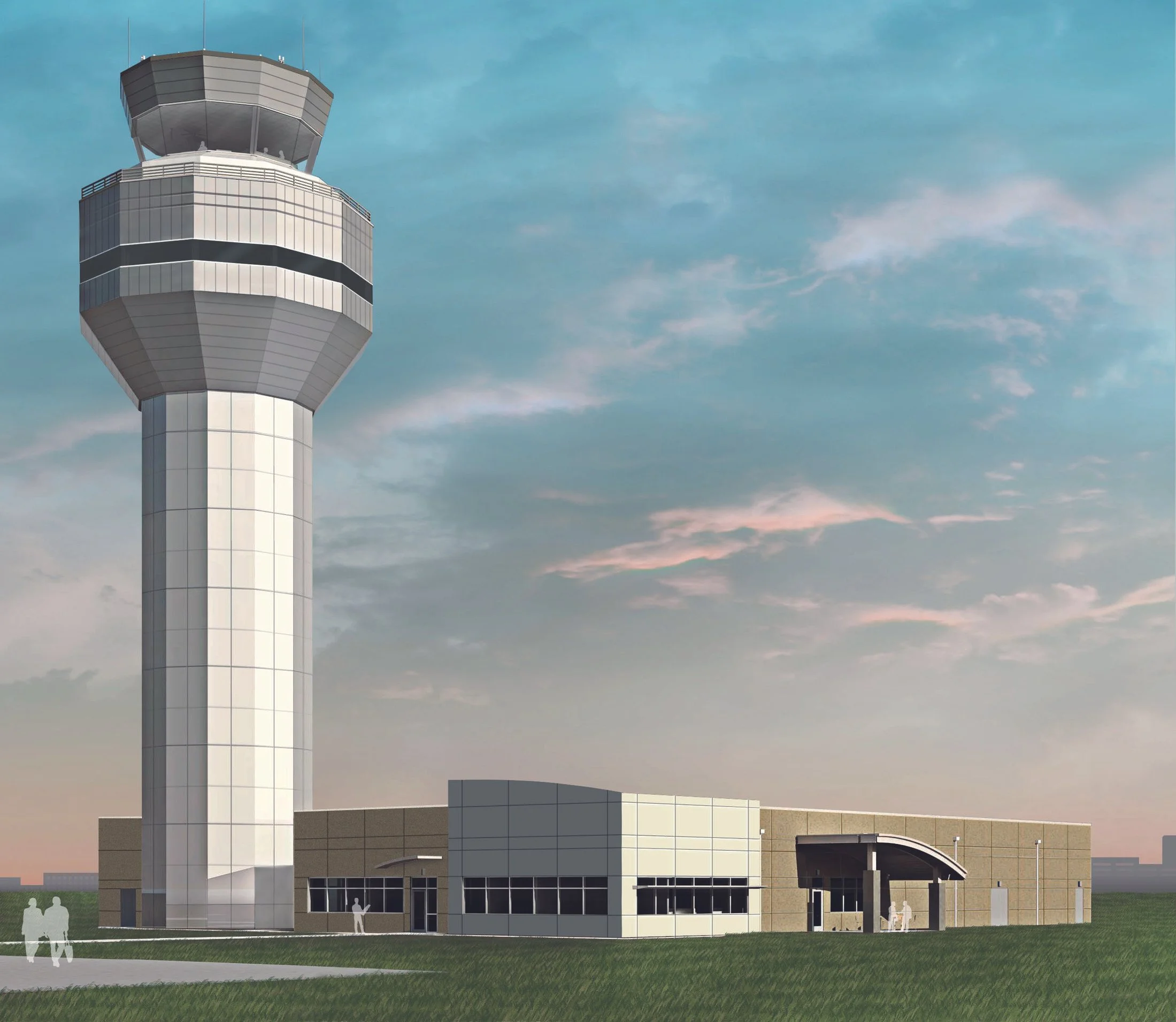
The tower is designed as a 12-sided polygon, housing a 550-square-foot control cab positioned 136 feet above ground level. The building envelope consists of insulated metal panels over a cast-in-place concrete wall structure. To maximize visibility, the control cab was designed with only four columns and incorporates a butt-glazed window system.
The administrative base building combines insulated precast concrete wall panels with insulated metal wall panels that complement the control tower’s exterior design. Both wall systems utilize continuous insulation to achieve high R-values and reduce overall energy consumption.
A comprehensive life-cycle cost analysis was conducted to evaluate three architectural, three structural, and three mechanical system alternatives. Initial construction costs, long-term operating expenses, and maintenance requirements were assessed to identify the solutions that would best serve the Airport and the FAA over the facility’s lifespan.
Sustainable design strategies include a photovoltaic field, geothermal HVAC system, low-flow plumbing fixtures, and expansive window areas with interior light shelves that distribute natural daylight deep into the administrative office spaces, reducing energy demand and enhancing occupant comfort.