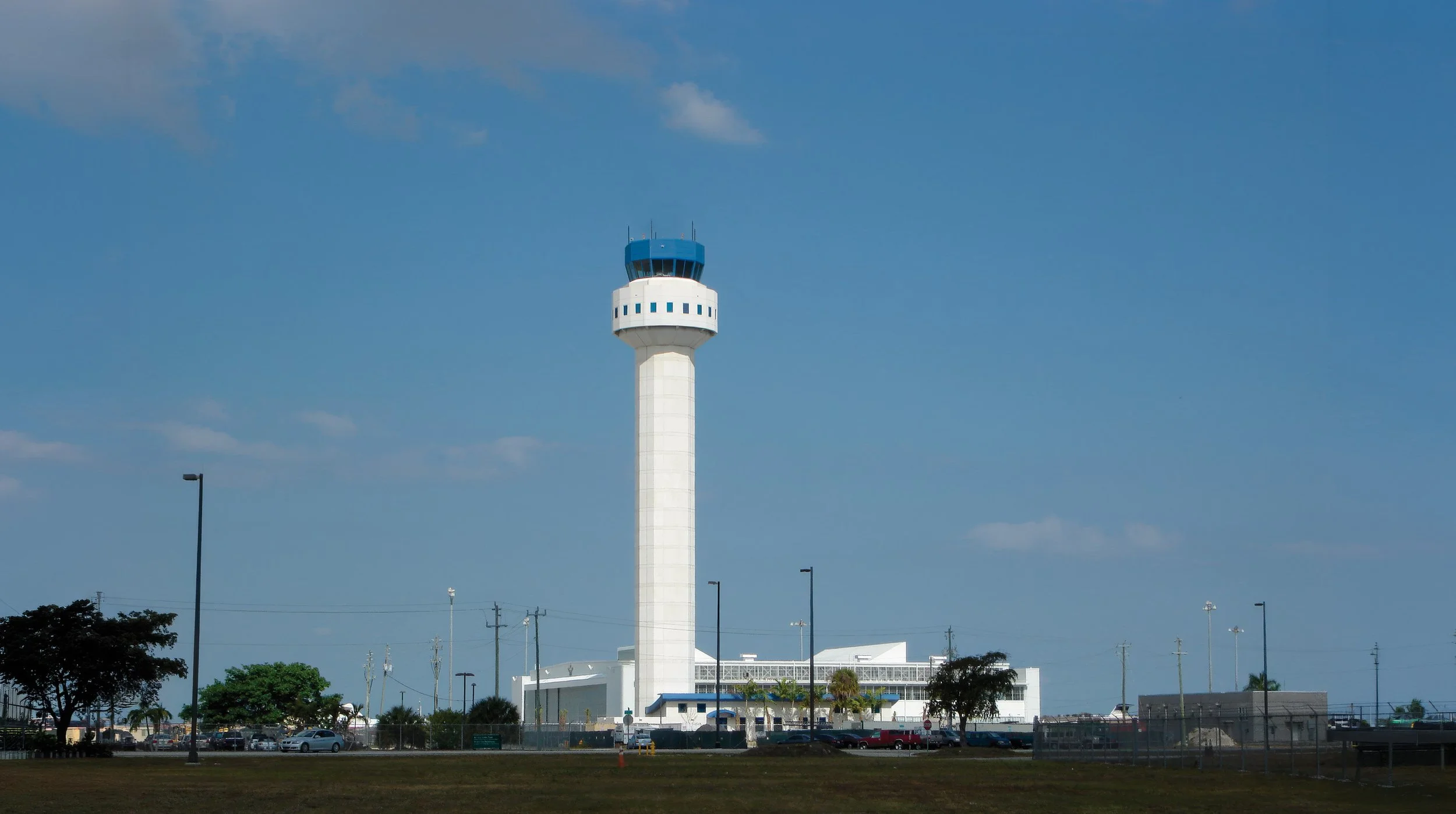
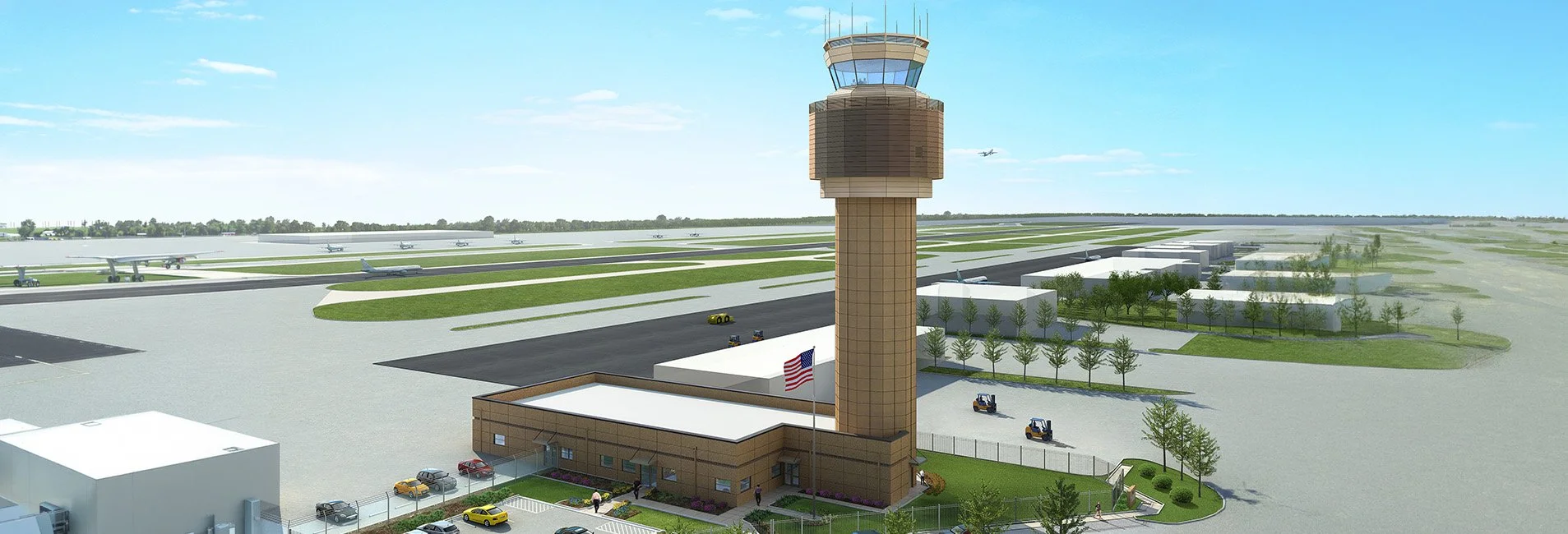
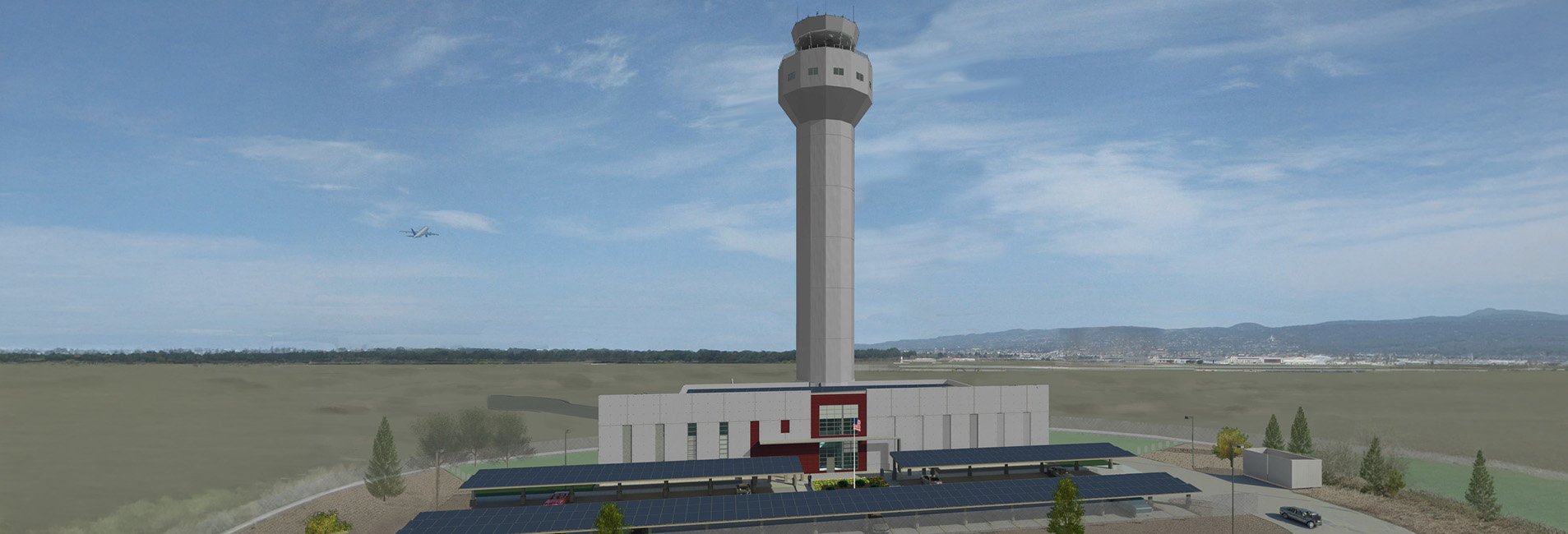
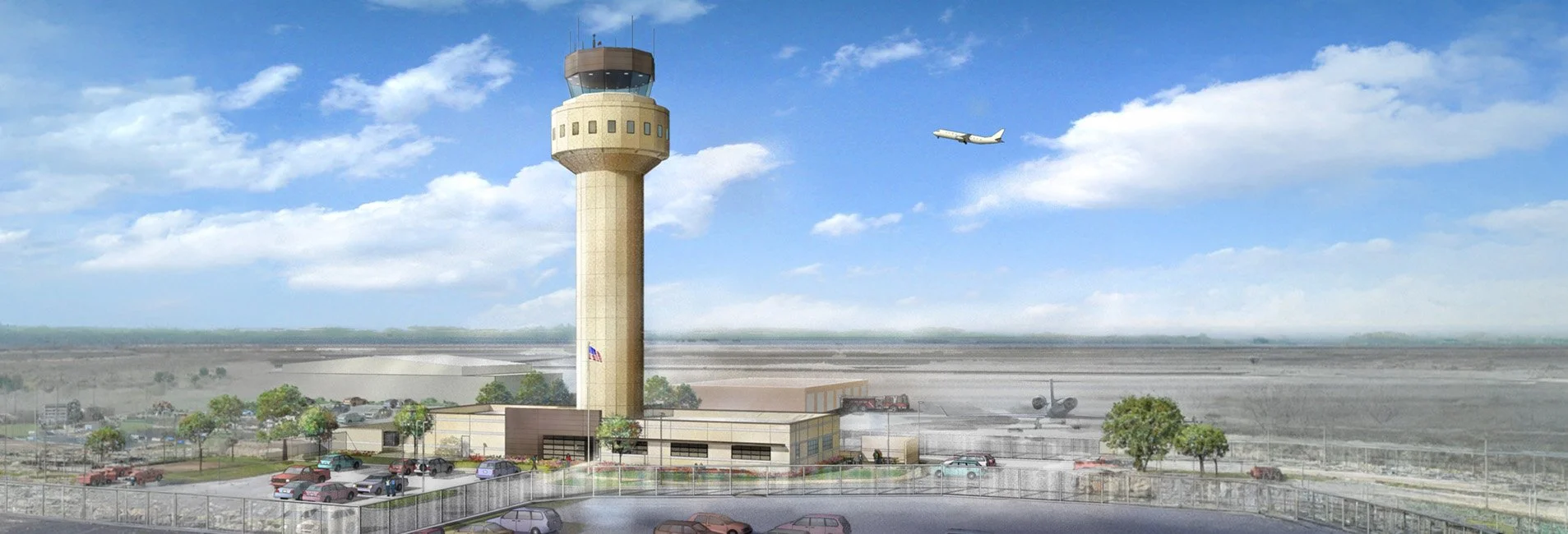
Tulsa International Airport, Air Traffic Control Tower and TRACON
Tulsa ATCT + TRACON
-
Tulsa, OK
-
Tulsa Airports Improvement Trust
-
255 Foot Tower
16,000 SF TRACON and Base Building
-
Intermediate-activity tower cab with major-activity tower structural design
FAA-operated facility constructed by the Airport Authority
State-of-the-art work environment for FAA and airport personnel
Designed to support airport growth and operational flexibility for the next 50 years
Building Information Modeling (BIM) utilized throughout design and coordination
Energy-efficient building systems and sustainable design strategies
-
Programming, Planning, Architecture, Interior Design, and Construction Documents, MEP/FP
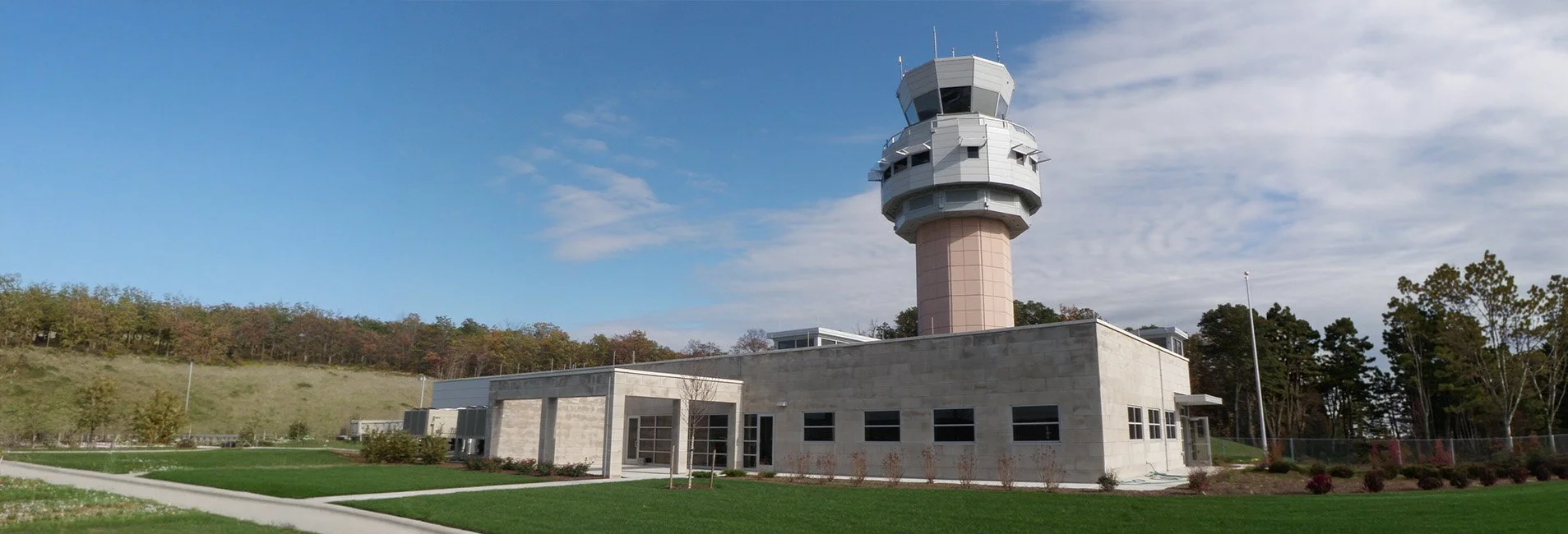
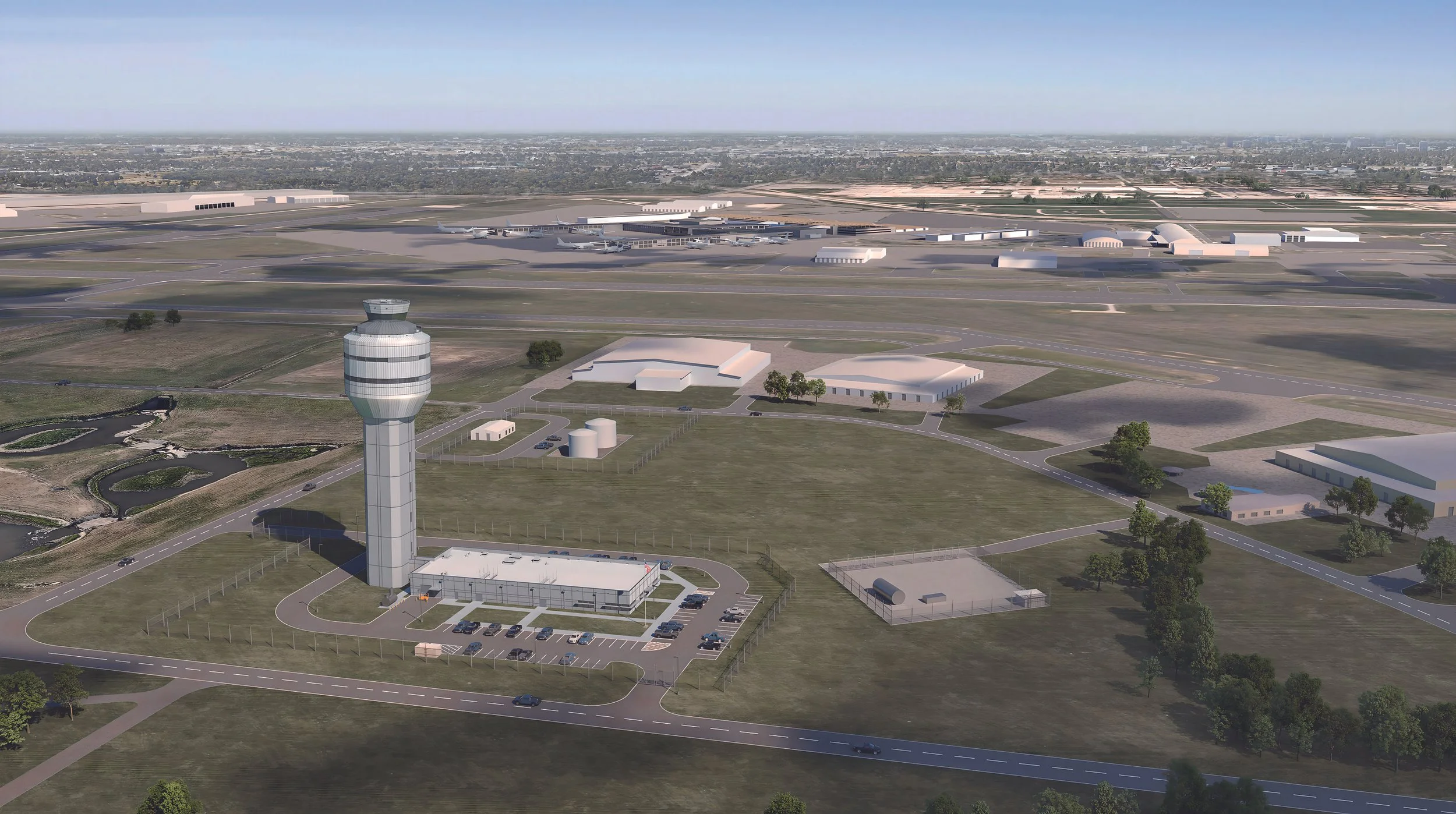
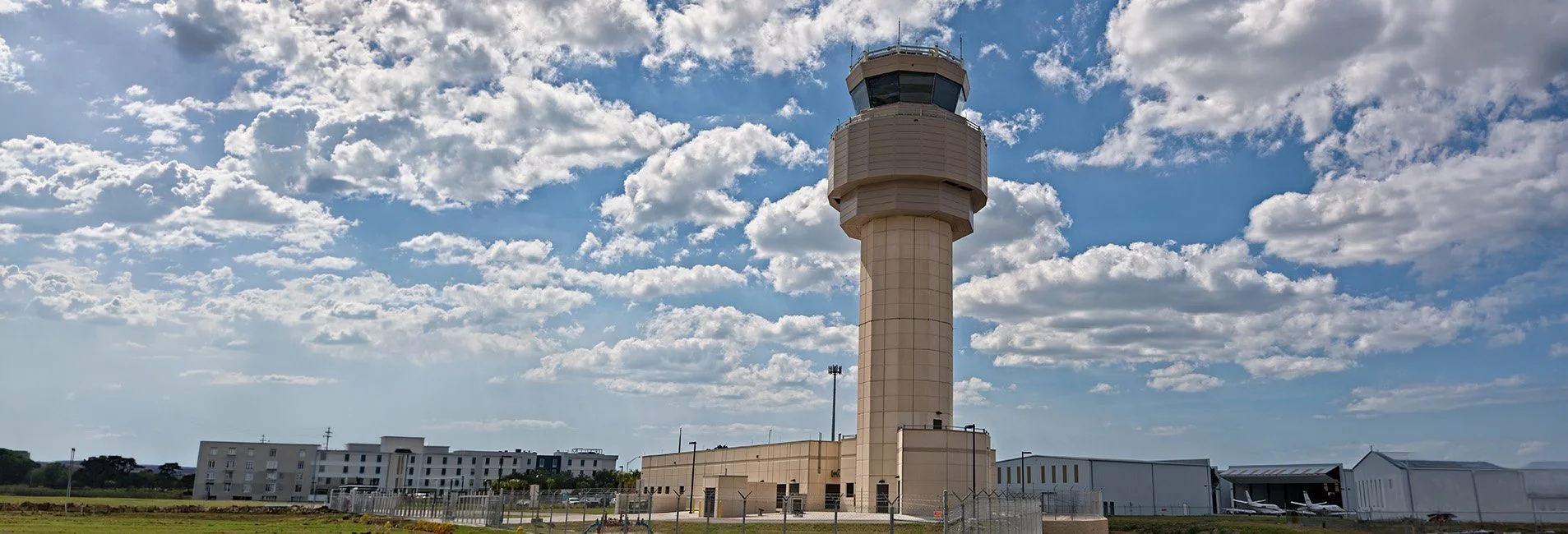
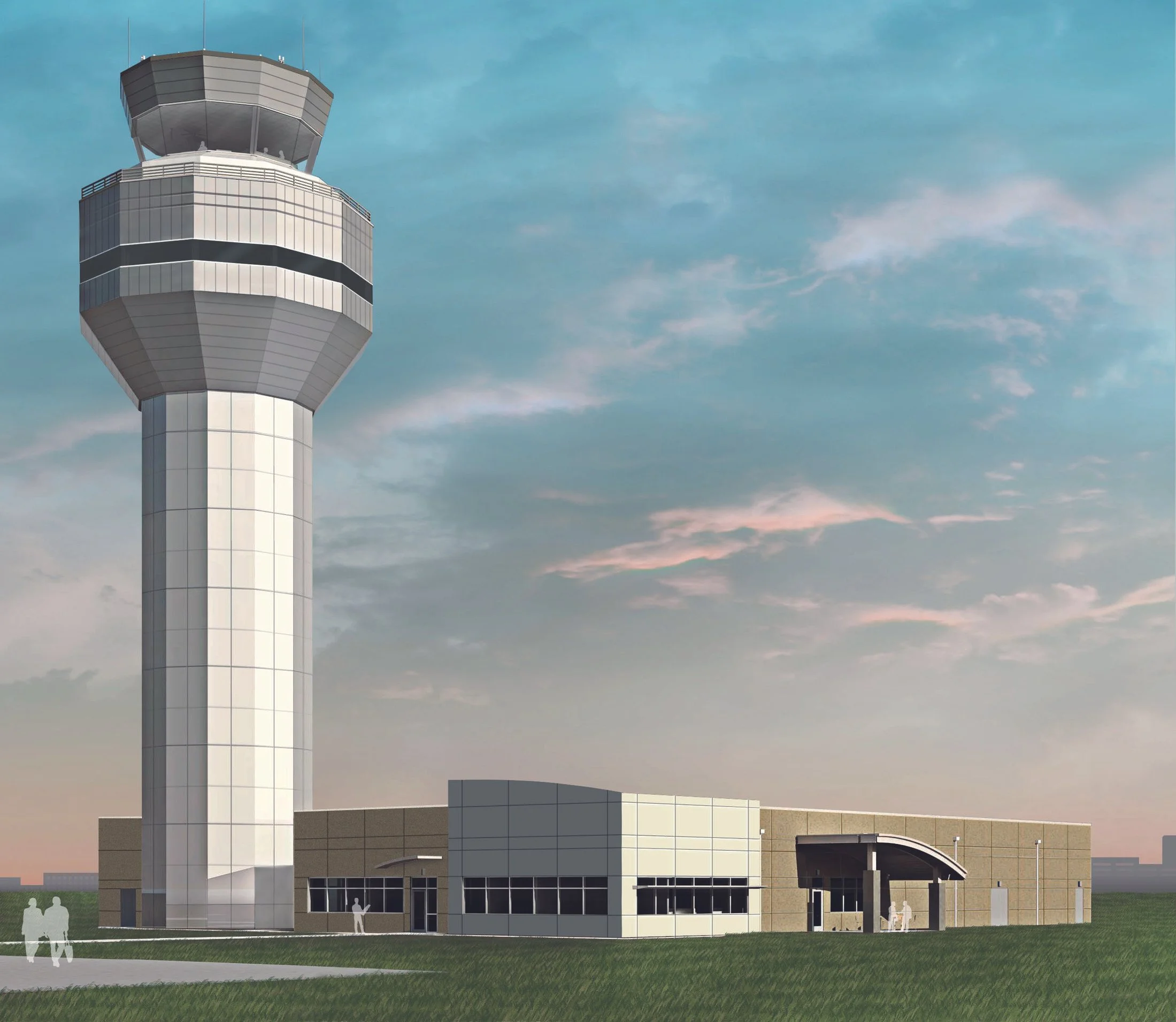
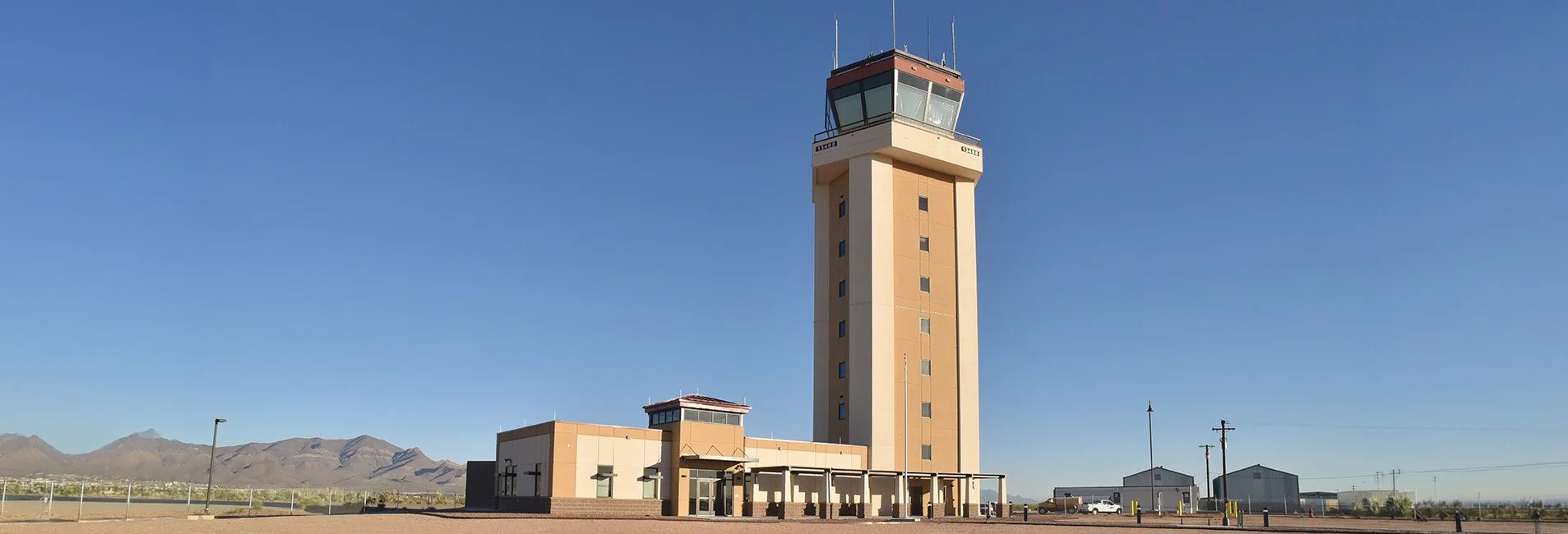
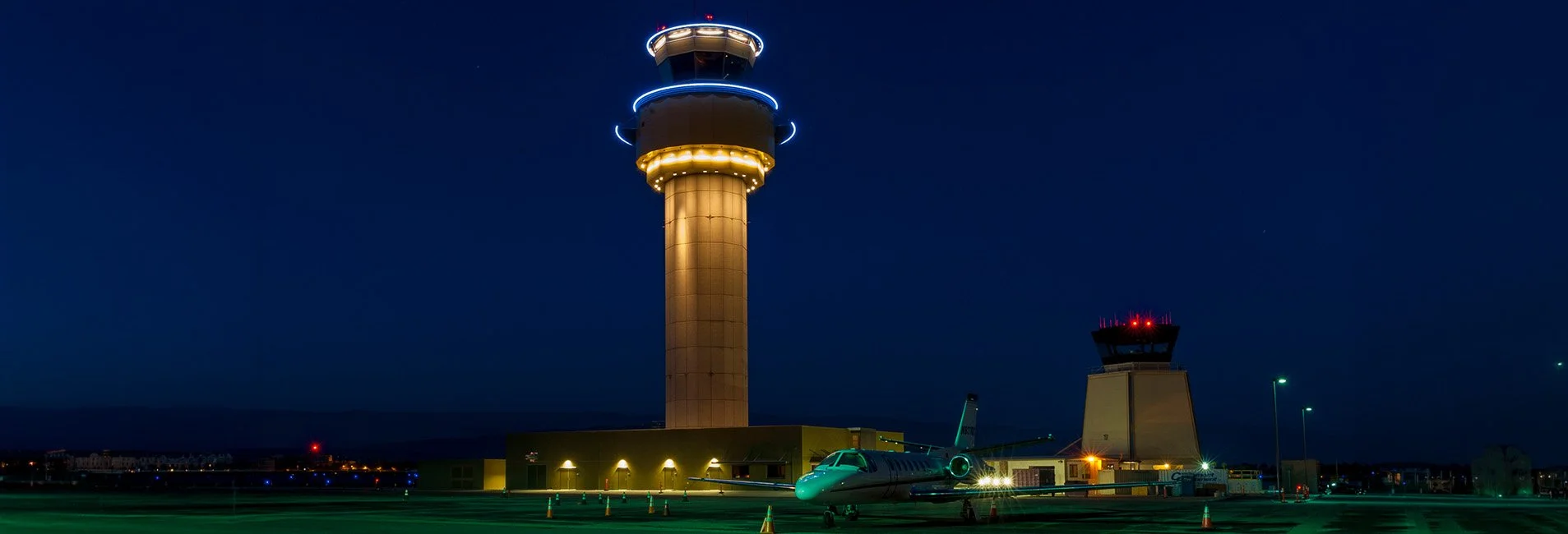
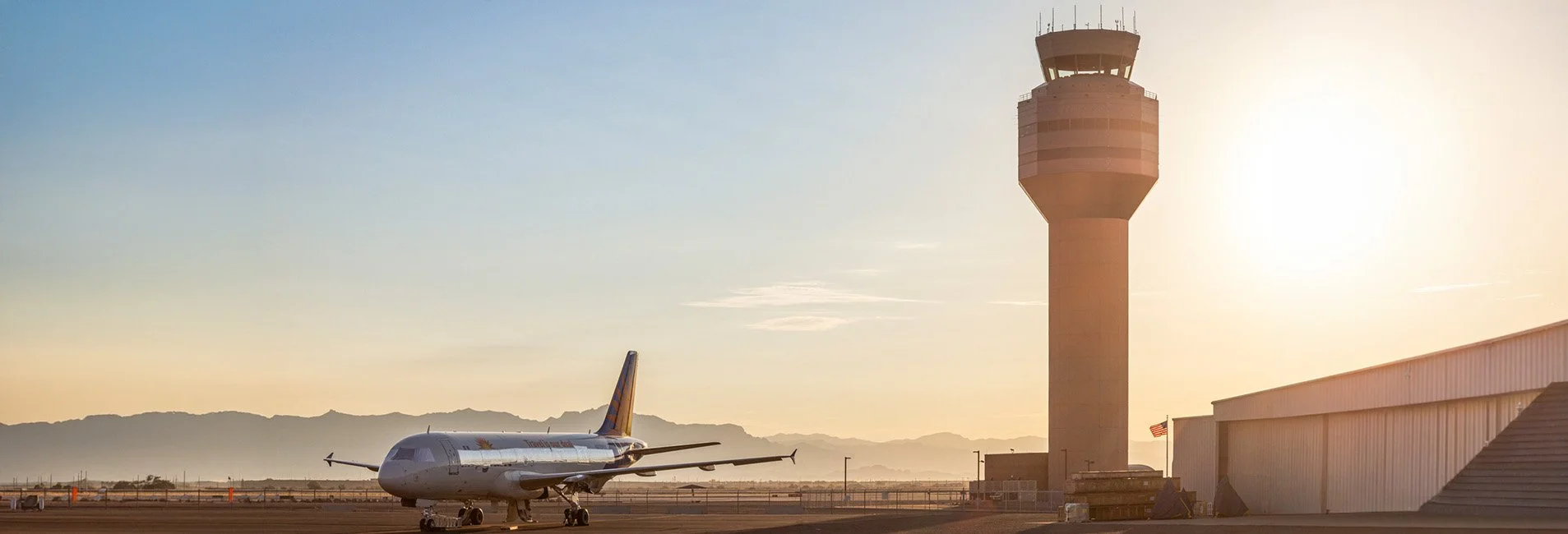
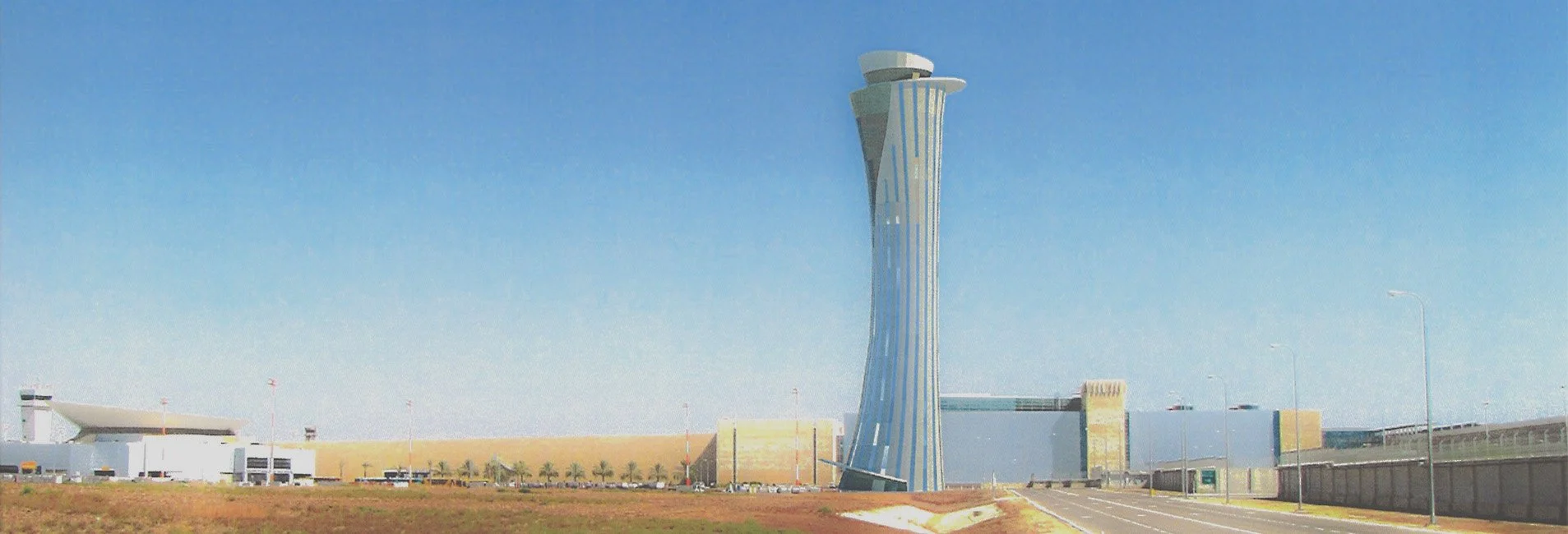
The Tulsa Airports Improvement Trust selected LEO A DALY to design a new $76 million Air Traffic Control Tower (ATCT) and Terminal Radar Approach Control (TRACON) facility at Tulsa International Airport. The project replaced the airport’s existing control tower and support facilities, providing a modern, resilient infrastructure solution designed to meet current operational demands and future growth.
Originally completed in 1961, the previous tower had exceeded the typical service life of air traffic control facilities and no longer met contemporary building code requirements. LEO A DALY’s design focused on creating a state-of-the-art workplace that enhances comfort, efficiency, and safety for FAA personnel and airport staff while supporting the airport’s long-term evolution over the next 50 years.
Constructed by the Airport Authority and operated by the Federal Aviation Administration (FAA), the new facility includes an intermediate-activity control tower cab atop a shaft engineered to major-activity tower standards, reflecting the project's unique operational and structural requirements. Utilizing Building Information Modeling (BIM) throughout the design process, the facility was developed with a strong emphasis on energy efficiency, sustainability, and operational performance, ensuring a durable and adaptable asset for the region’s aviation infrastructure.