Sarasota Bradenton International Airport, Air Traffic Control Tower and Base Building
Sarasota Bradenton ATCT + Base Building
-
Sarasota, FL
-
Sarasota Manatee Airport Authority
-
109 Foot Tower
525-SF Control Cab
9000 SF Base Building
-
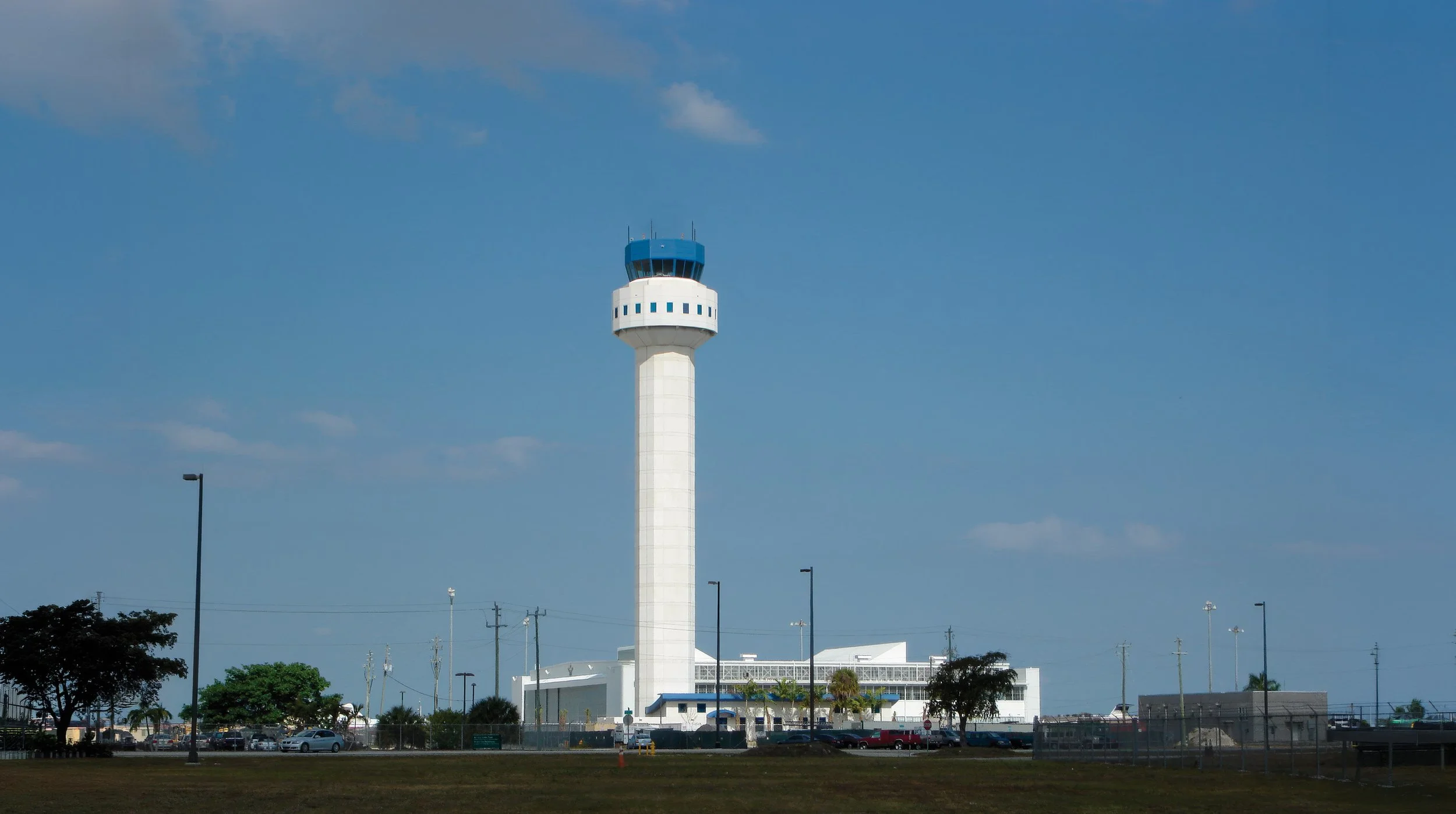
10-sided polygon air traffic control tower
Butt-glazed cab window system with only four structural columns to enhance clear sightlines
Precast concrete building envelope with insulated, interlocking panels for durability, wind resistance, and storm protection
Life-cycle cost analysis across architectural, structural, and mechanical systems to optimize long-term performance
Structural system evaluation leading to selection of insulated precast concrete for efficiency, resilience, and constructability
-
Site Planning and Selection, Master Planning, Architecture, MEP/FP, Structural
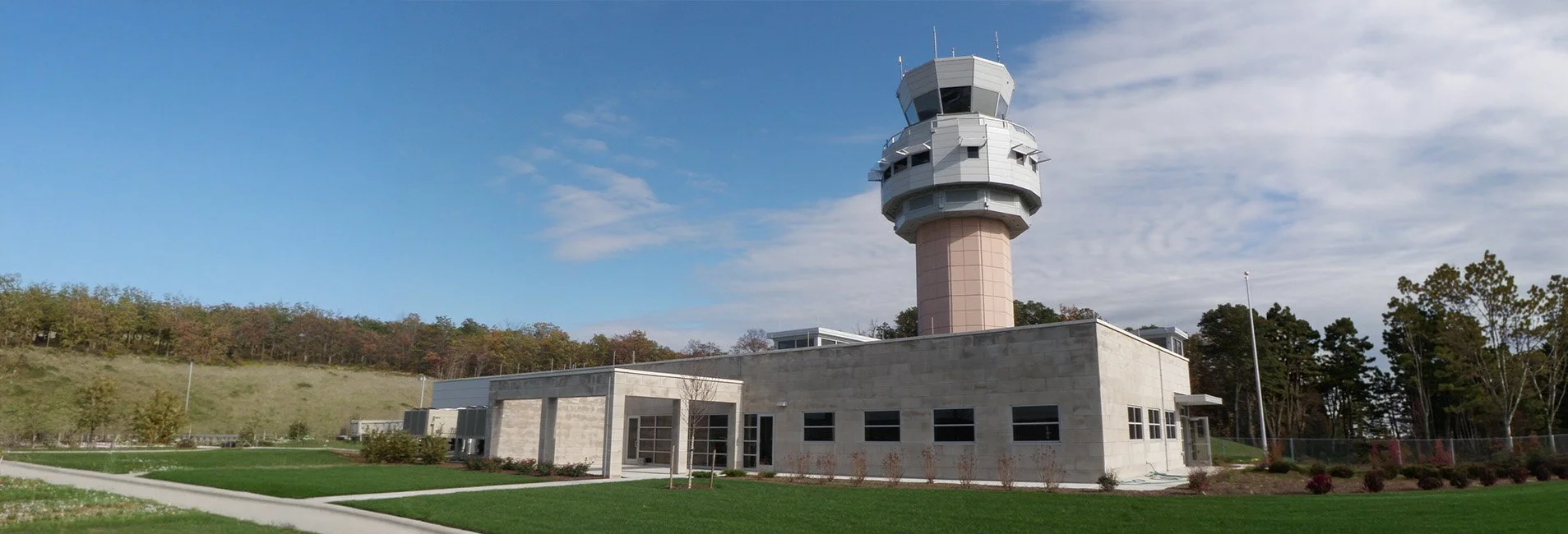
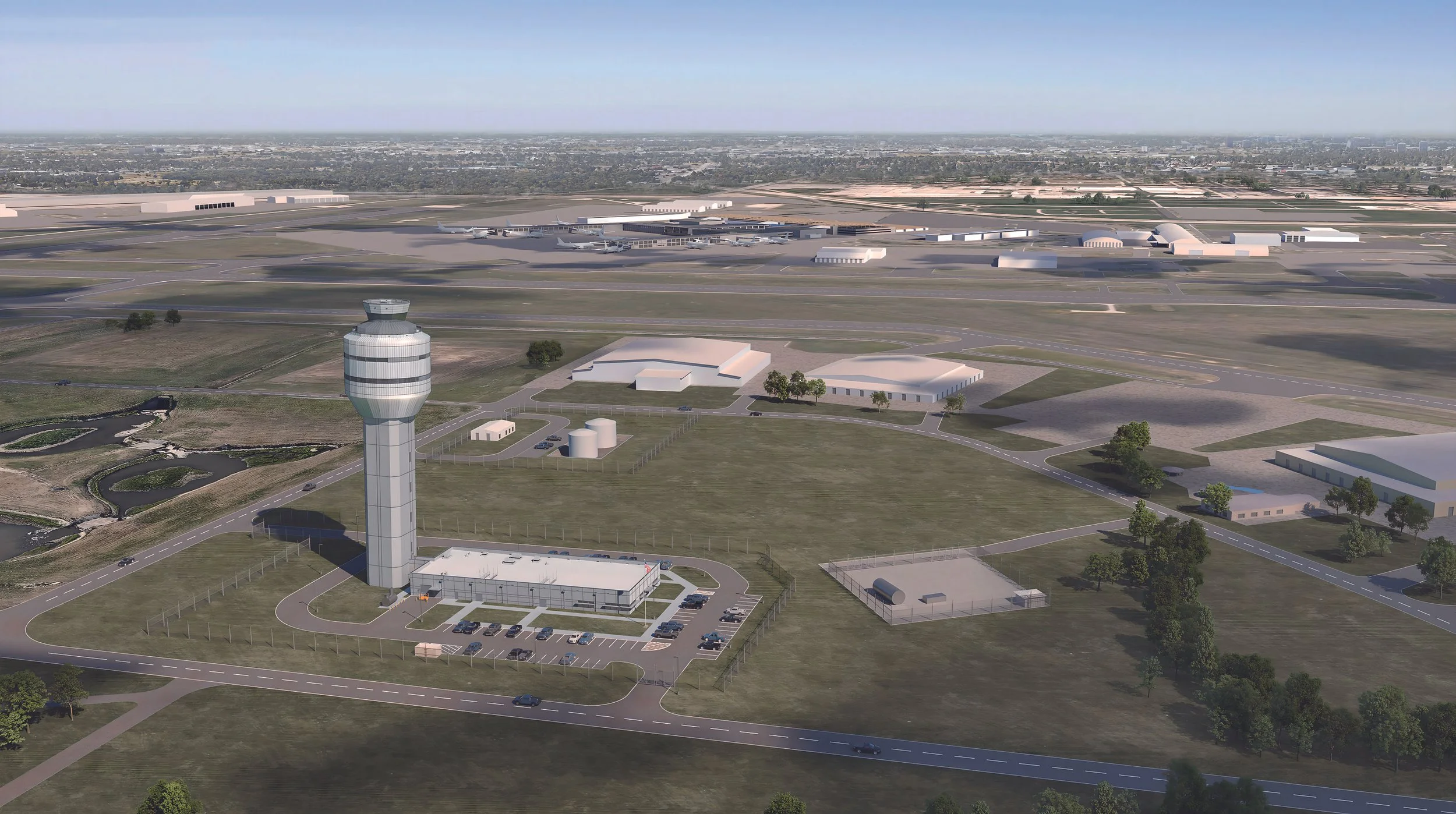
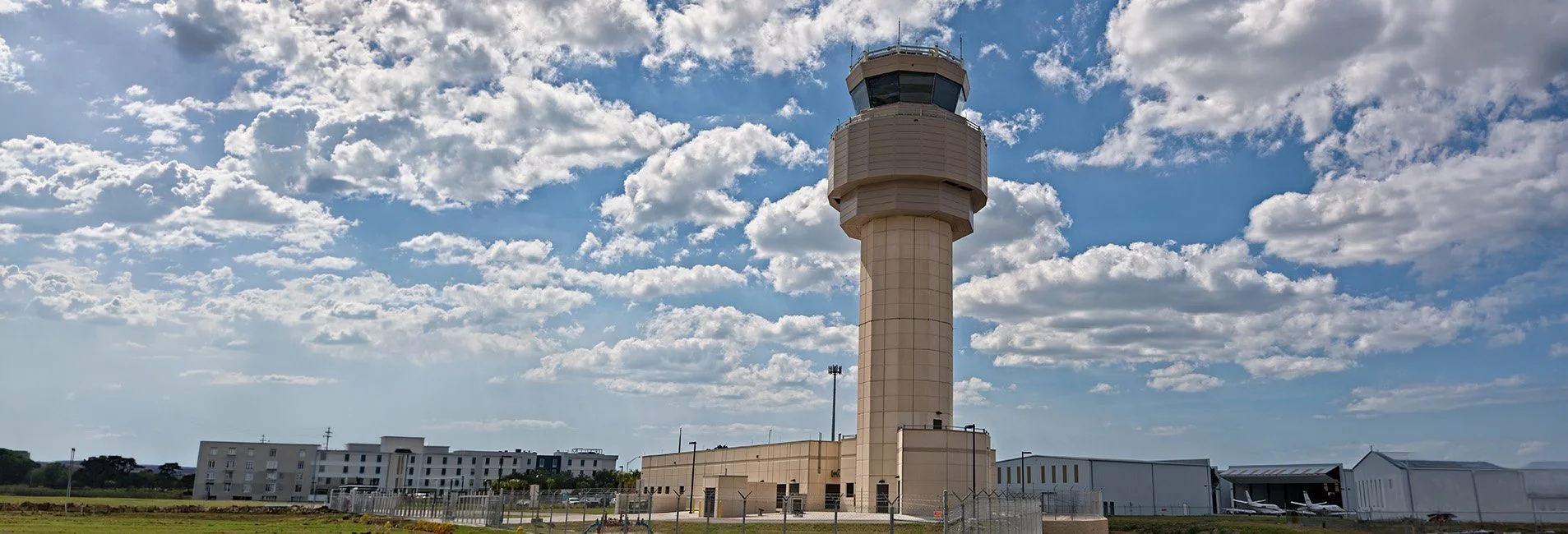
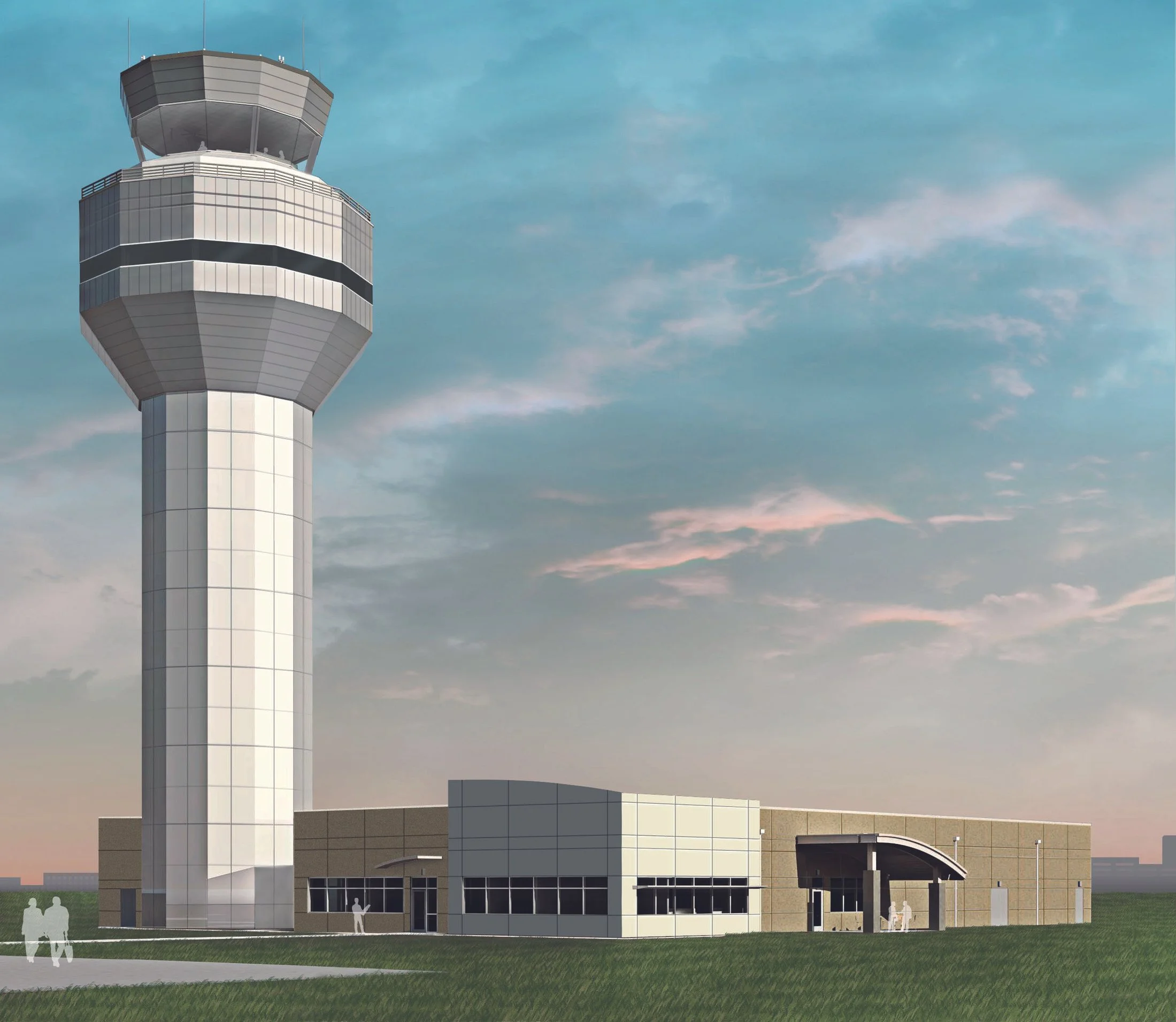
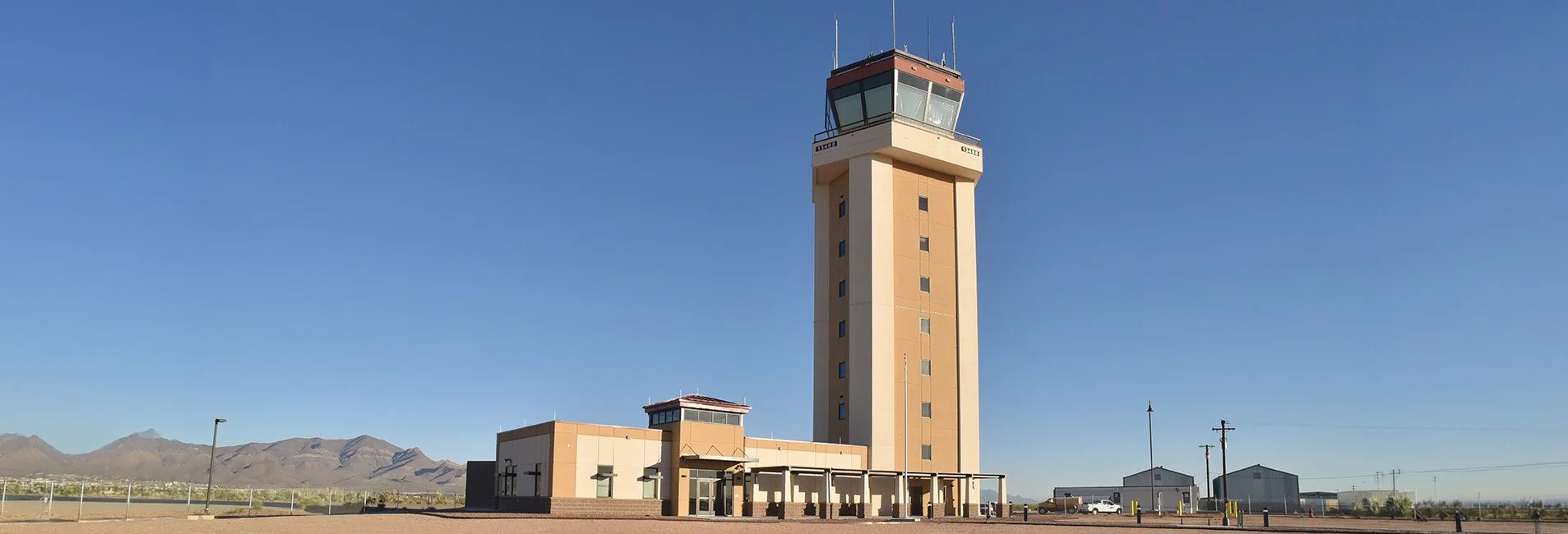
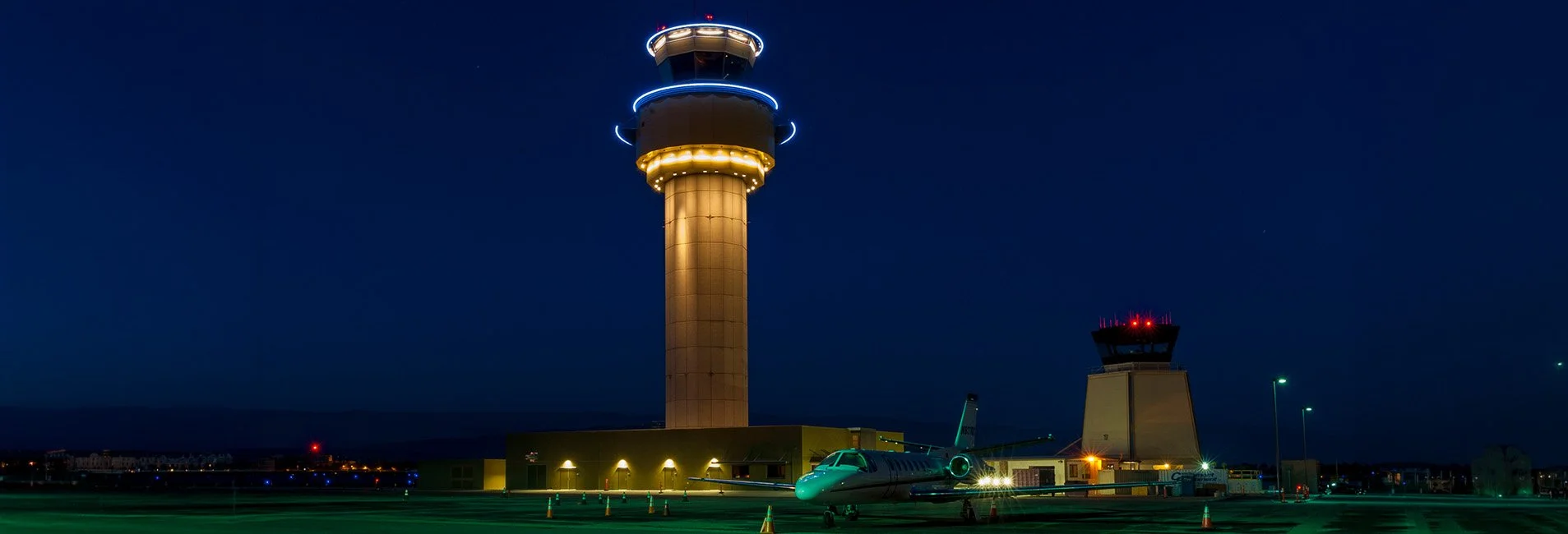
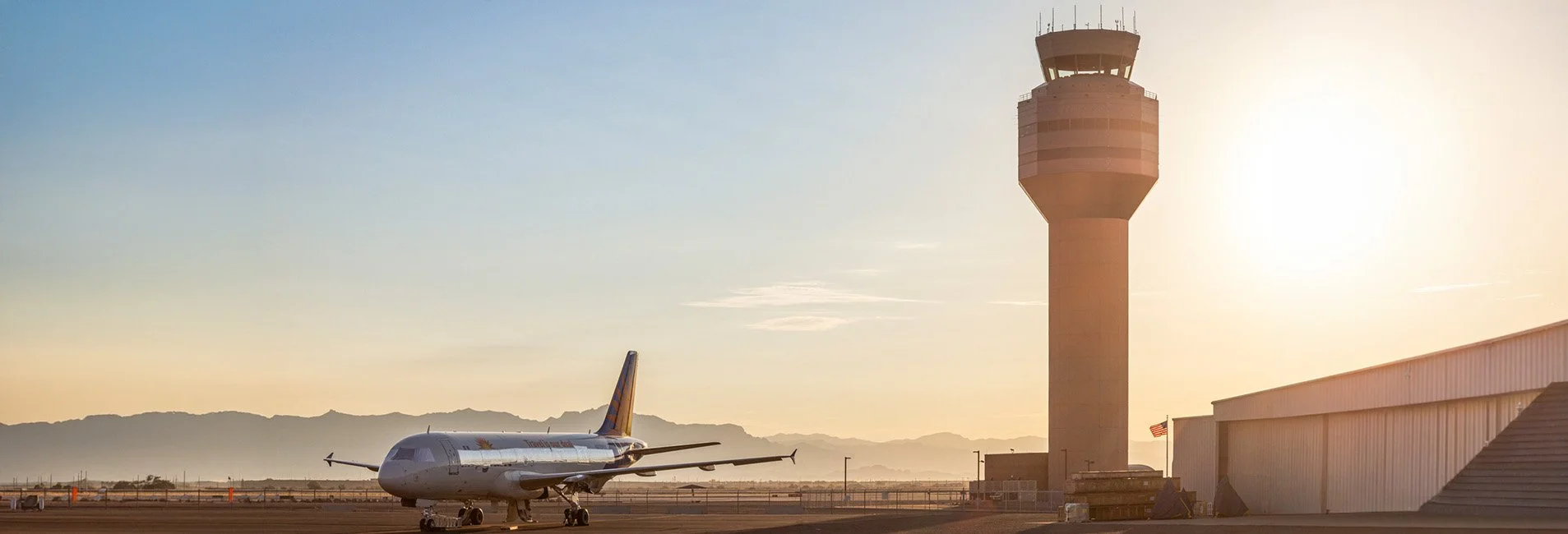
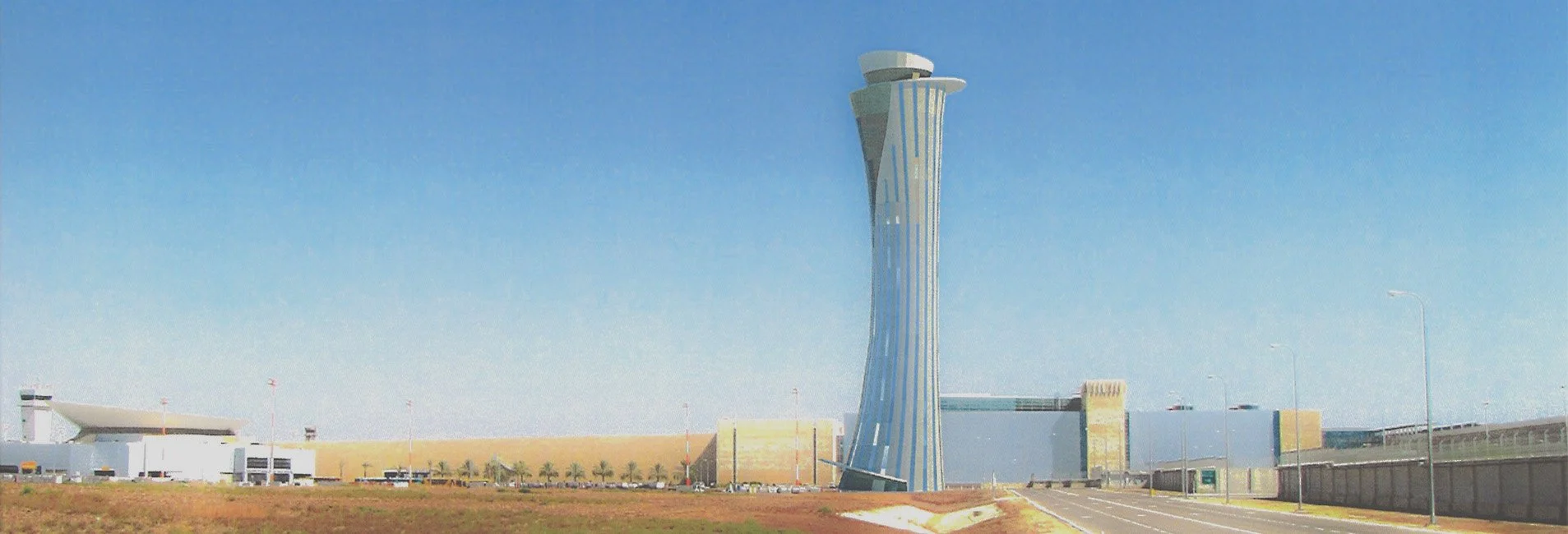
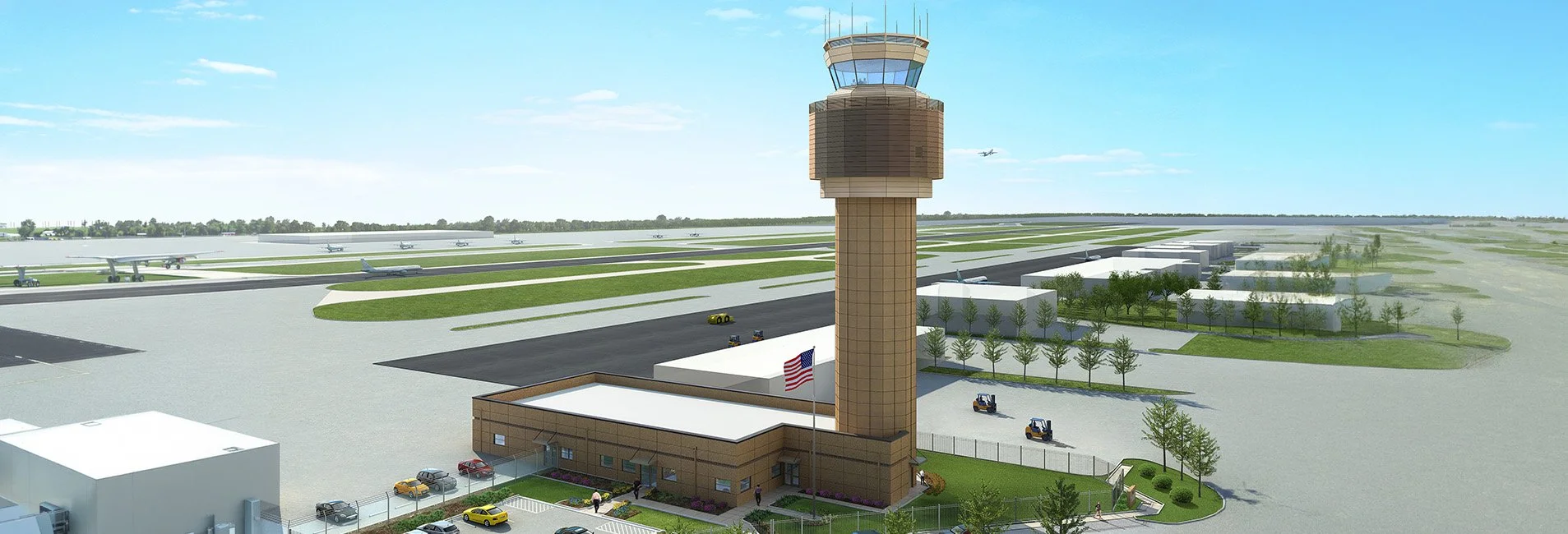
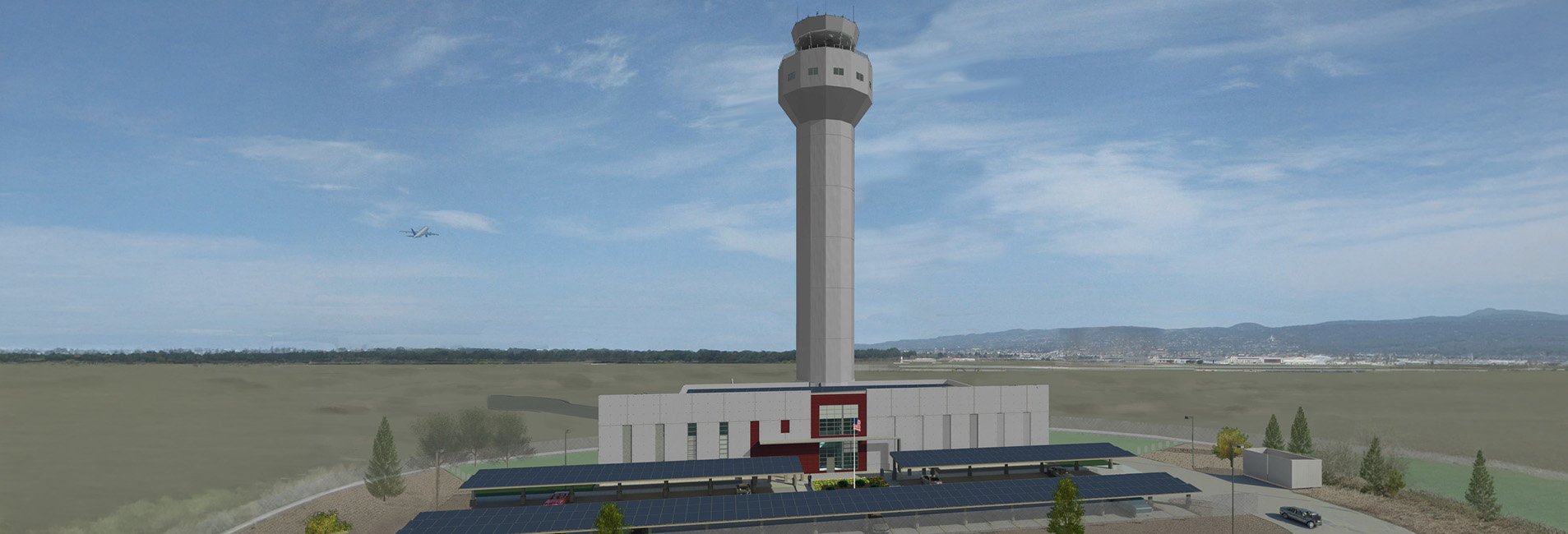
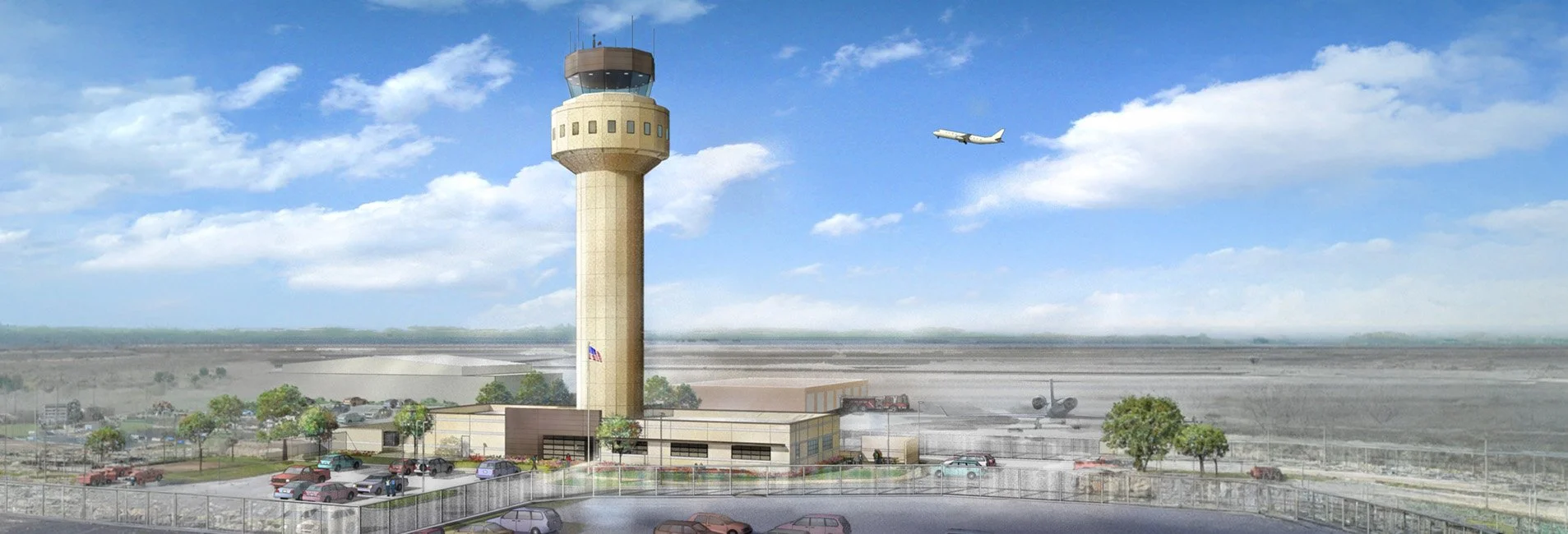
LEO A DALY was selected to design a replacement airport traffic control tower and administrative base building. The successful design included site adaptations of a modified standard FAA Low Activity Level Tower with a 525 SF control cab and a base building following a standard floor plan for an FAA 9,000 SF administrative base building with a custom link.
The 10-sided polygon tower is integrated with the control cab. The tower floor level is 109 feet above ground level with precast concrete wall panels forming the building envelope.
A life-cycle cost comparison was carried out on three architectural, three structural, and three mechanical systems to consider initial costs, operating costs, and maintenance costs for the major systems and to determine which systems would best serve the airport and the FAA in the future.
Cast-in-place concrete, precast concrete, and steel frame structures were evaluated. Insulated sandwich-panel precast concrete was selected for cost, durability, wind and blast resistance, quality of finish, cost, and ease of construction.
For maximum visibility, the control cab was designed to incorporate only four columns and uses a butt-glazed cab window system. Insulated structural precast concrete panels were designed with interlocking edges to help ensure wind driven rain would be kept out of the building during a major storm or hurricane.