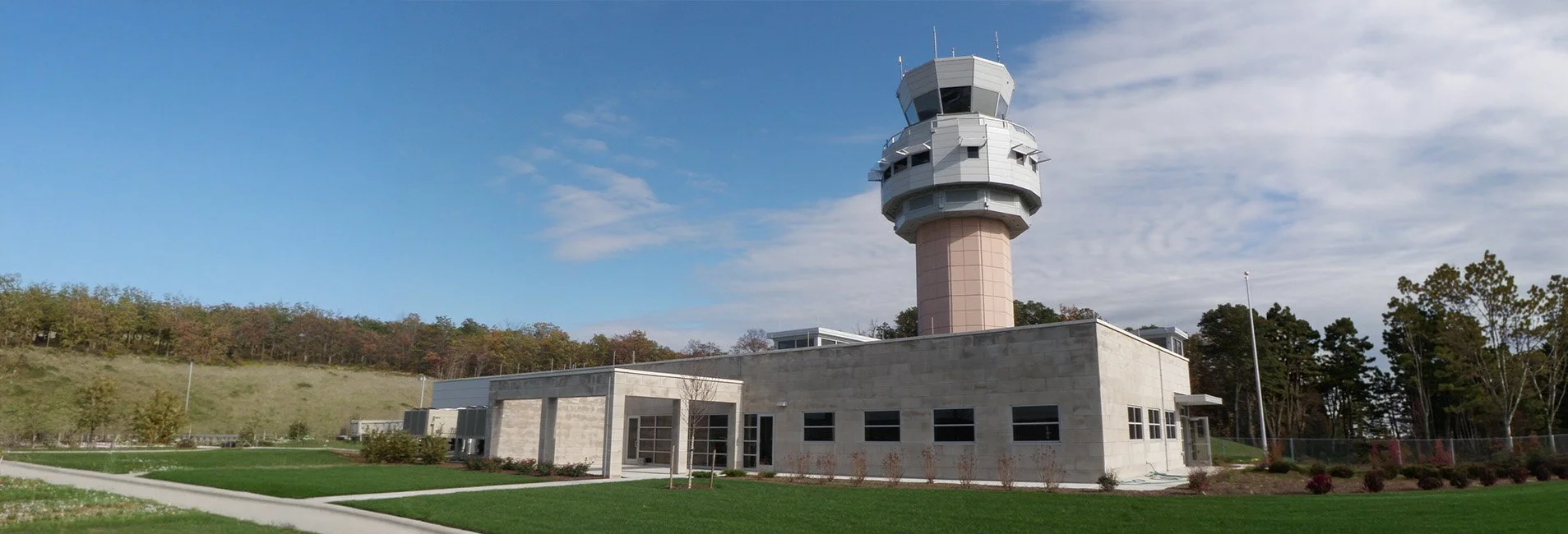
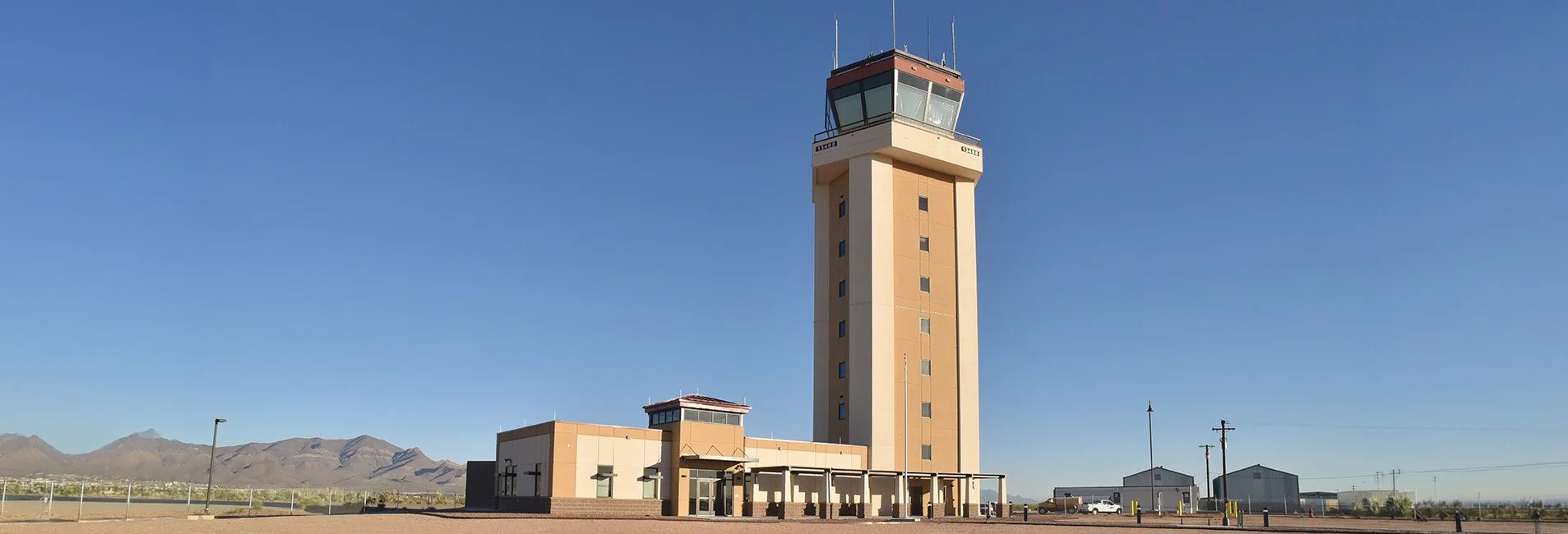
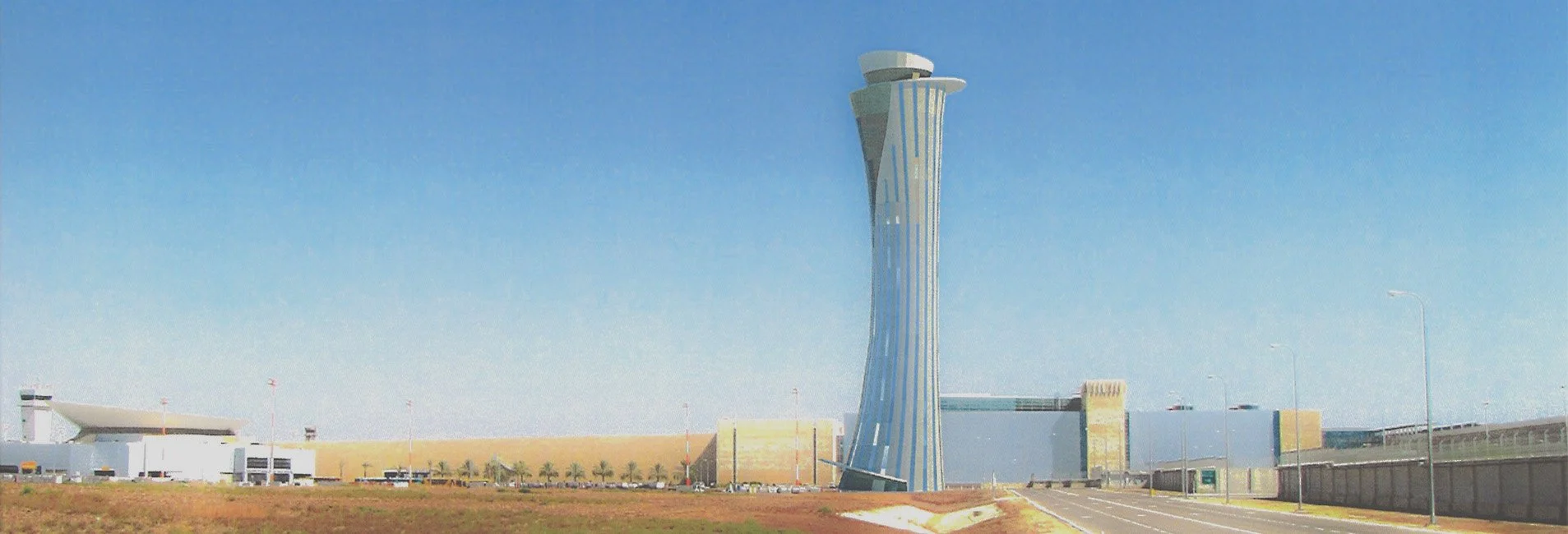
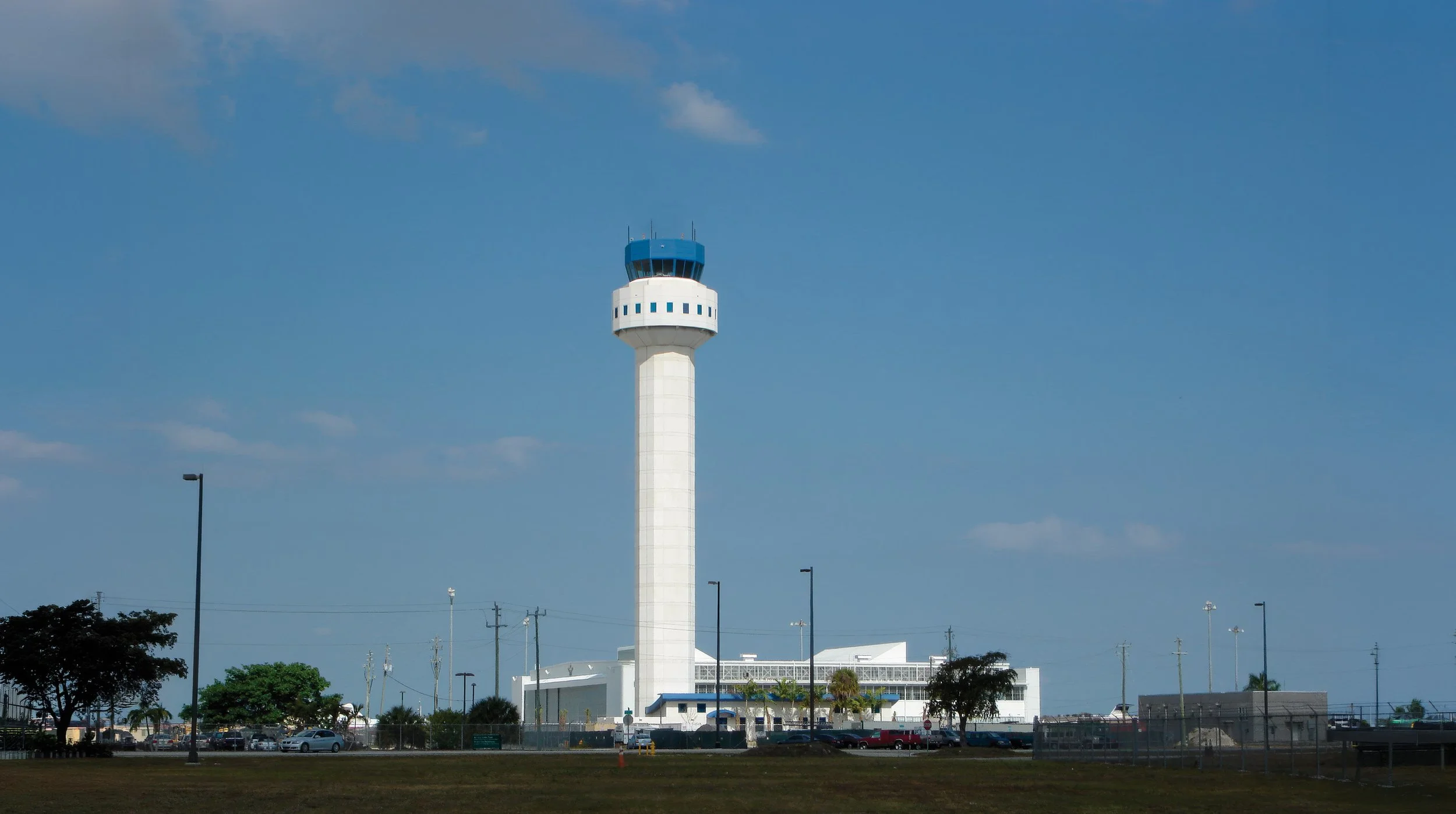
Oakland International Airport, Air Traffic Control Tower and Base Building
Oakland ATCT + Base Building
-
Oakland, CA
-
FAA Western Pacific Region
-
219 Foot Tower
13,000 SF Base Building
-
LEED® Gold-certified design
Photovoltaic (solar) energy systems
Geothermal HVAC system
SidePlate™ structural system for seismic resilience
Blast-resistant building envelope
Anti-terrorism/force protection design
Bioretention stormwater management system
Rainwater harvesting for landscape irrigation
Rooftop antenna array integration
Solar-powered parking canopies
High-performance, sustainable infrastructure
Energy-efficient building systems
-
Architecture, MEP/FP, Civil, Structural Construction Administration, Construction Documents including SWPPP
-
2013 FAA National Award Winner for Sustainable Building Achievement
2014 DOT National Award Winner in Sustainable Buildings Achievement Category description
Oakland International Airport has long been recognized as one of the nation’s most sustainability-focused airports and was the first airport to achieve LEED® Silver certification for a passenger terminal. Continuing that commitment, the airport’s air traffic control tower was designed and constructed as a model of sustainable infrastructure.
The 219-foot-tall control tower and 13,000-square-foot base building were designed to LEED® Gold standards and incorporate a range of sustainable and resilient design strategies, including photovoltaic systems, geothermal HVAC, and blast-resistant construction.
To enhance structural performance in a high-seismic region, the tower utilizes the SidePlate™ structural system, providing efficient seismic protection. A blast-resistant panel system was also incorporated to meet anti-terrorism and force protection requirements. Site improvements include a bioretention system and a rainwater collection system that supports landscape irrigation.
The roof of the two-story base building was designed to accommodate both a photovoltaic array and an antenna system. Additional photovoltaic panels were integrated into the parking shelters, contributing to the project’s energy goals and helping achieve LEED® Gold certification.