
Designing the future: 11 LEO A DALY projects opening in 2026
These upcoming openings highlight how LEO A DALY’s is working with clients to transform communities and elevate experience in 2026.
Recent Perspectives

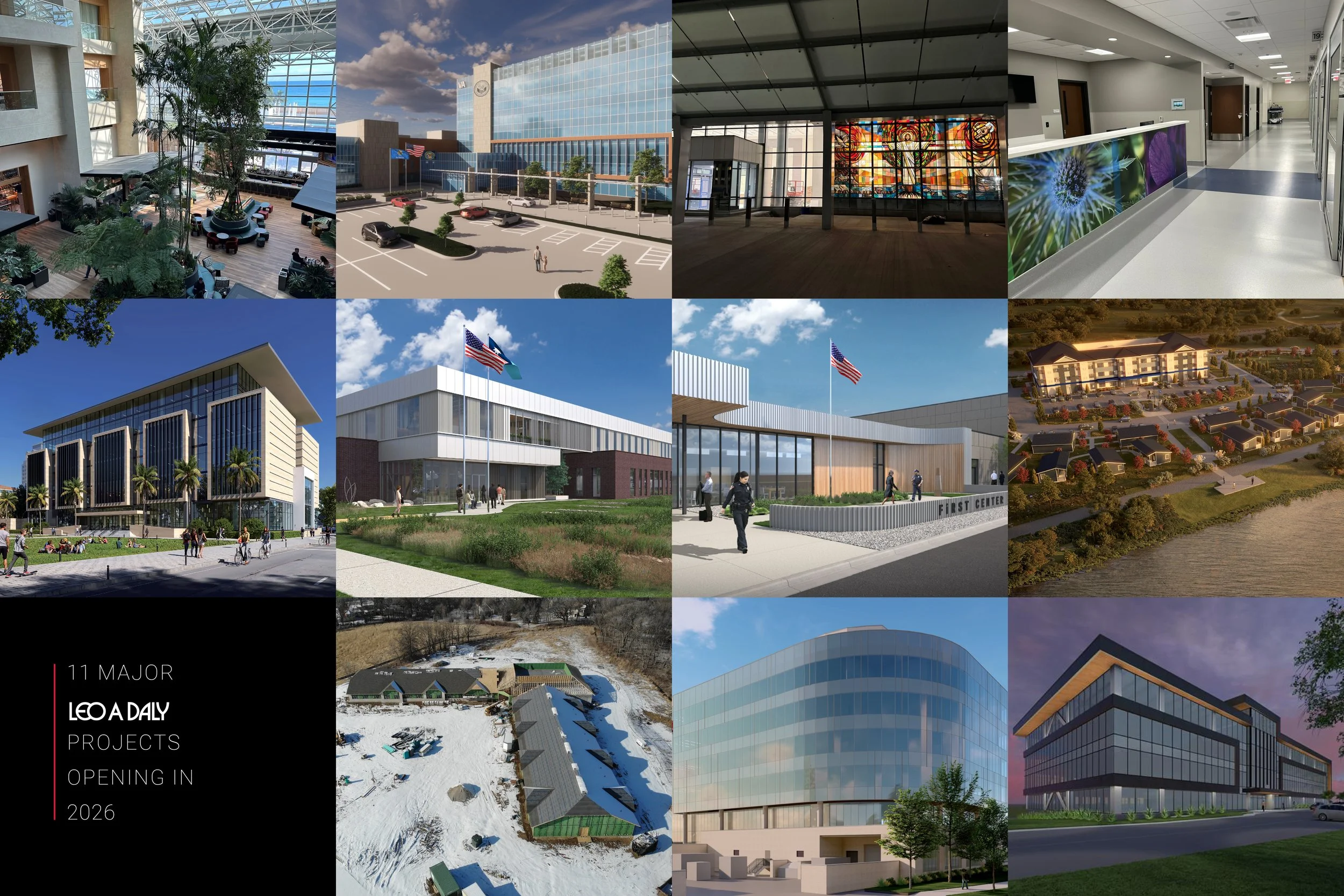
As we look ahead to 2026, our architects, engineers, and designers are at the forefront of shaping communities, with a diverse portfolio of projects set to open this year. Each of these projects is a testament to our enduring commitment to meaningful, collaborative client partnerships. Our goal is always to design environments that elevate the human experience and foster connection while remaining firmly grounded in our clients’ operations and functional requirements.
The Diplomat Beach Resort Hollywood, Curio Collection by Hilton
Hollywood, Florida
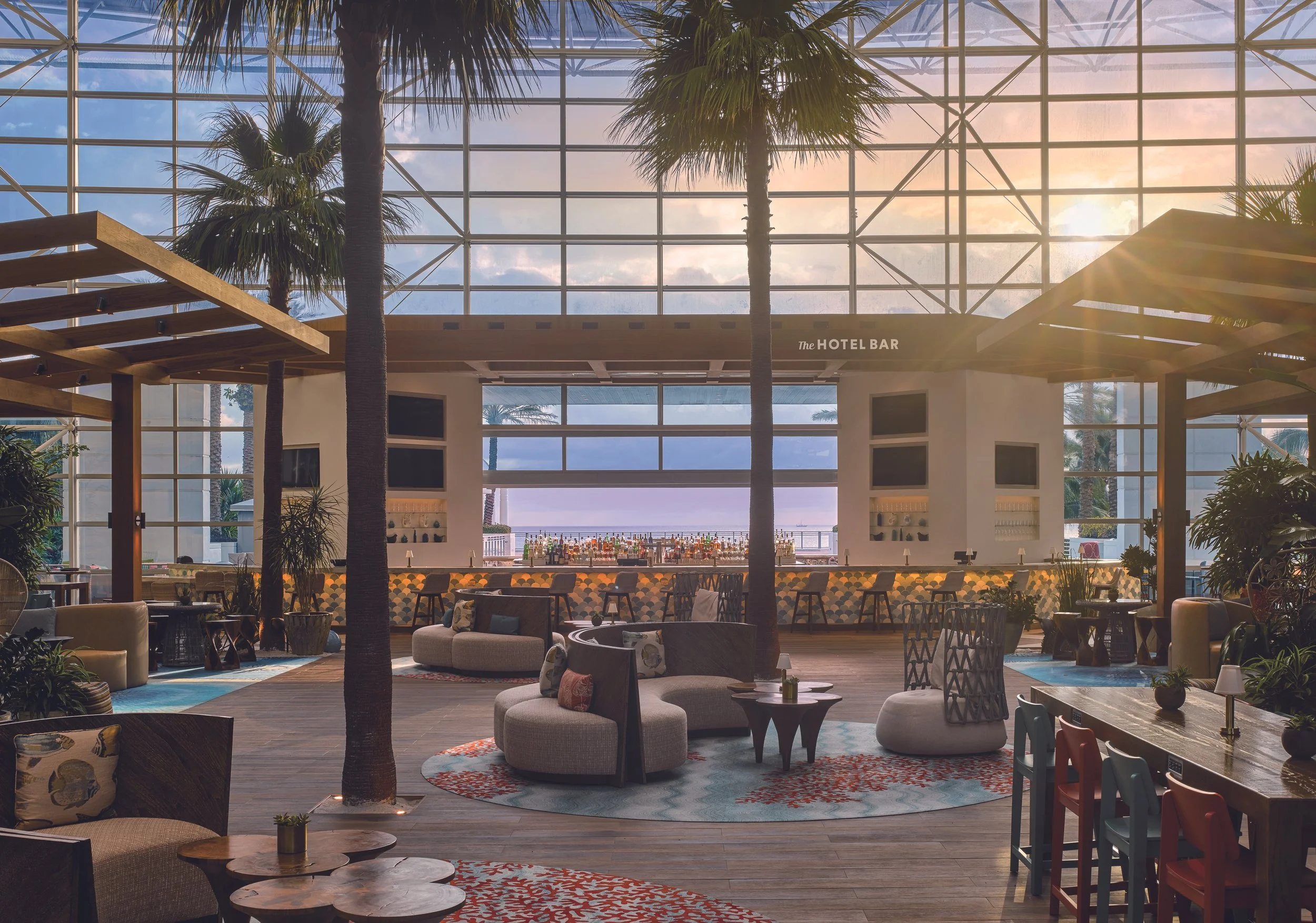
This lobby redesign project reimagined the entry experience of an iconic beachfront destination, enhancing the porte-cochere, lobby, and bar, while revitalizing the pool deck and surrounding public amenity spaces. The design brings the outdoors in, transporting guests to a beachside adventure inspired by the coastal lifestyle. “Boardwalks” surround lounging zones and indoor cabanas, creating a true resort experience for both families and business travelers.
The transformation epitomizes breezy South Florida hospitality, showcasing remarkable beach views and a vibrant social atmosphere. With a focus on food and beverage, the resort has gained a reputation for exceptional dining and entertainment. The updates align with the property’s new vision, addressing functional improvements such as wayfinding, accessibility, and circulation, all while delivering a seamless and memorable guest experience.
James Mountain Inhofe VA Medical Center
Tulsa, Oklahoma
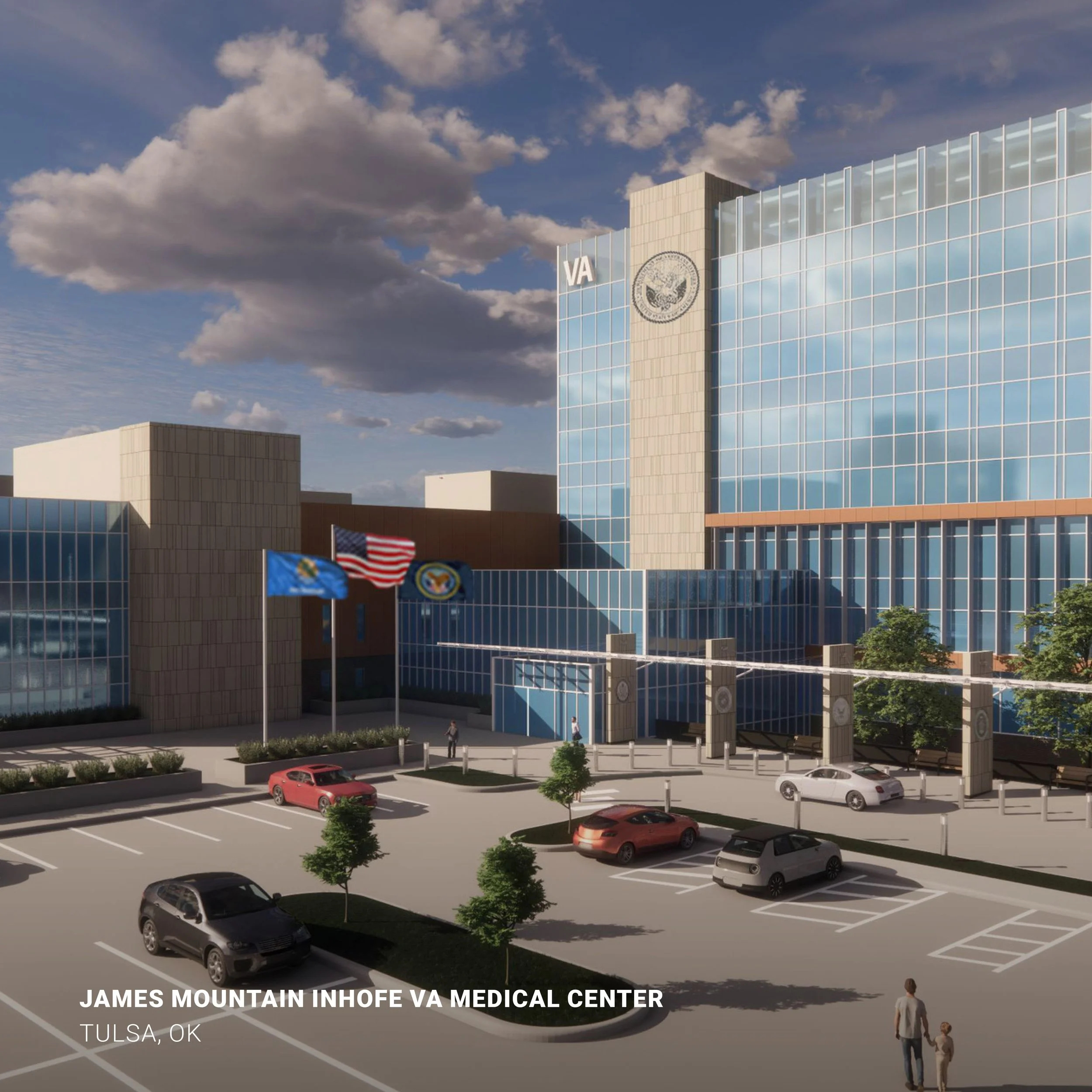
The Veterans Hospital in Tulsa is a transformative project converting a vacant downtown office complex into a 58-bed medical-surgical hospital dedicated to serving Oklahoma’s veterans. This $156 million initiative is a collaboration among federal, state, and local governments; the Oklahoma State University Medical Center; and private donors, all united under the Congressional CHIP-IN for Veterans Act. The hospital will feature an emergency department, five operating rooms, lab, endoscopy, imaging, and dietary services, with beds distributed among ICU, med/surg and rehab units.
A new connecting structure between two existing buildings will streamline patient and staff flow, supporting exceptional care and close collaboration with OSU for shared services and increased medical residencies. The facility is designed to provide state-of-the-art infrastructure and a healing environment, ensuring veterans in eastern Oklahoma receive the highest standard of care.
Saint Francis Hospital renovation and new bed tower
Muskogee, Oklahoma

The Saint Francis Hospital renovation and new bed tower reflects the hospital system’s commitment to innovation, community care and Catholic heritage. The design introduces a new tower housing a 150-bed consolidation, a chapel and a clinic, alongside strategic campus renovations. Enhancements to patient access and experience include improved facility visibility, optimized entry sequence, and the repurposing of underutilized spaces.
The efficient, patient-centered care tower addition ensures the hospital will continue to deliver high-quality care. The design incorporates highly durable materials for reduced maintenance and easy cleaning, supporting infection control and operational efficiency. This evidence-based approach ensures the hospital is prepared to meet current needs and future challenges.
OrthoNebraska Elkhorn Surgery Center and West Maple Clinic/Physical Therapy
Omaha, Nebraska
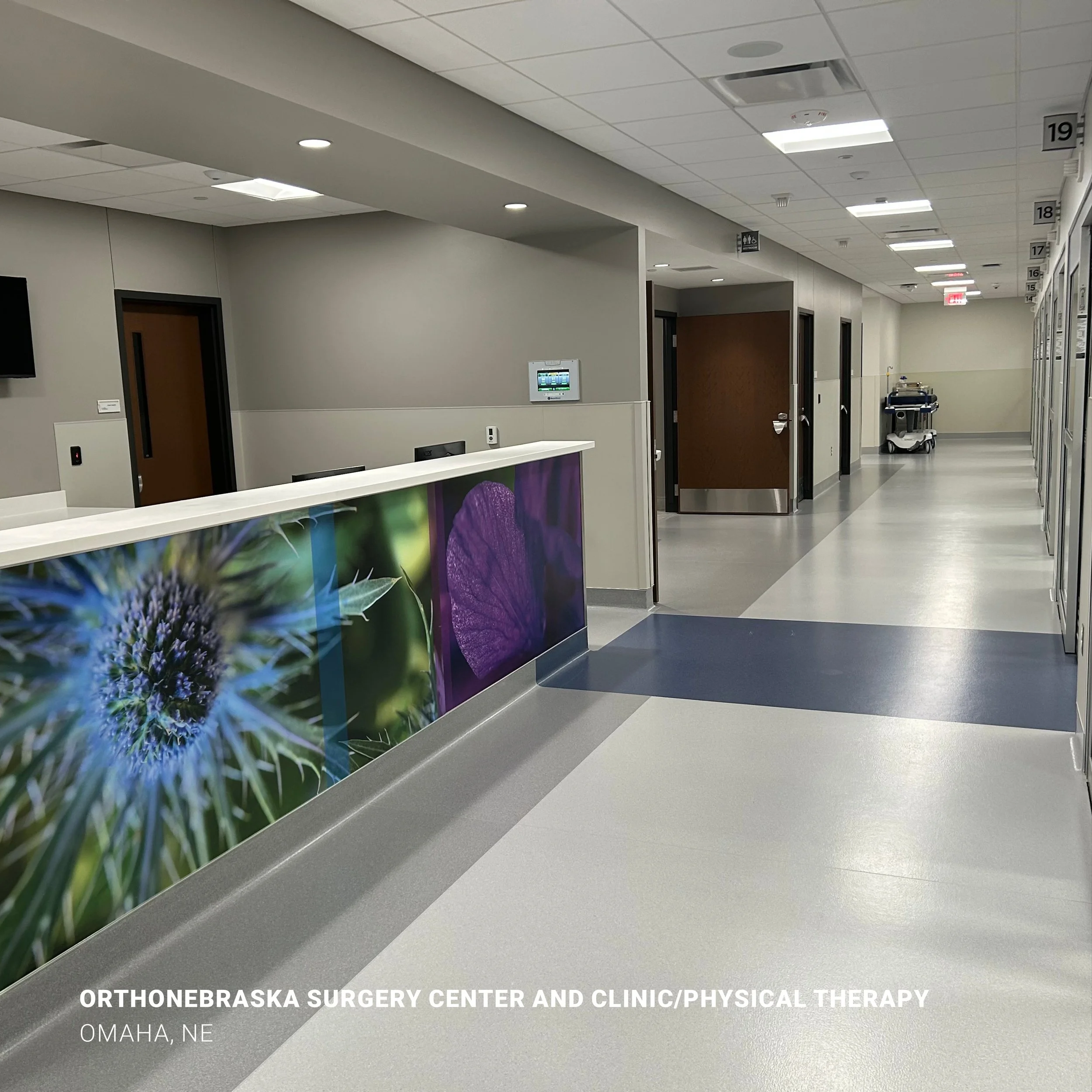
Two new OrthoNebraska facilities expand the orthopedic health system’s capacity in the West Omaha region
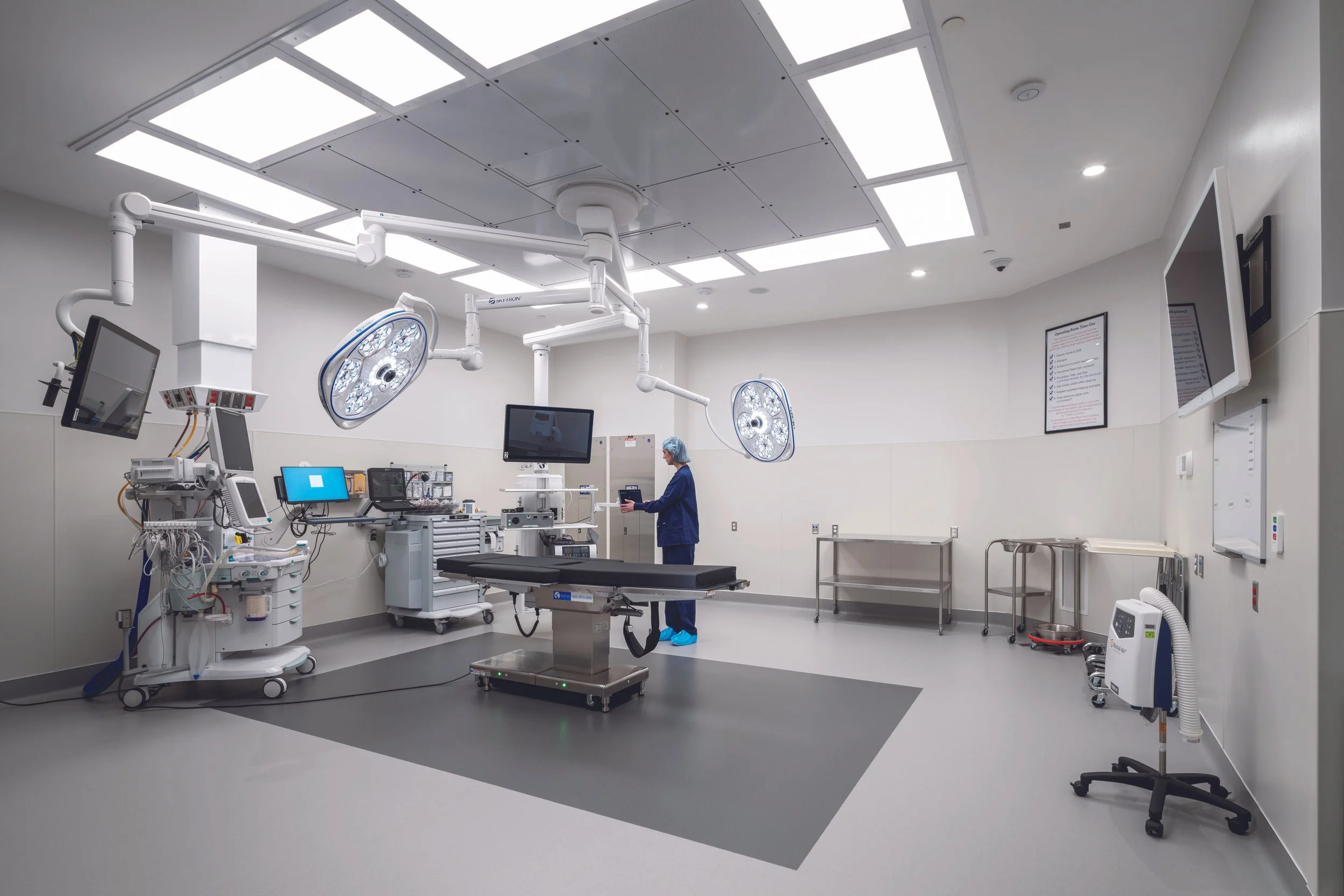
A surgical and procedure center addition to the clinic and physical therapy building in Elkhorn allows the system to expand its outpatient surgical offerings and increase capacity for the entire brand. The project also includes dedicated central sterile processing area, private patient care stations, and dedicated staff working areas. The project was built with minimal disruption the existing operations of the clinic and it creates a campus that serves the entire patient process from diagnosis to treatment to healing.
The clinic and physical therapy space on West Maple will offer a state-of-the-art environment for orthopedic care and rehabilitation. Designed to support OrthoNebraska’s mission of delivering high-quality, patient-centered services, the new clinic features advanced exam and treatment spaces, a performance-focused physical therapy area, and amenities that enhance both patient experience and staff efficiency.
Heartwood Place office building
Omaha, Nebraska
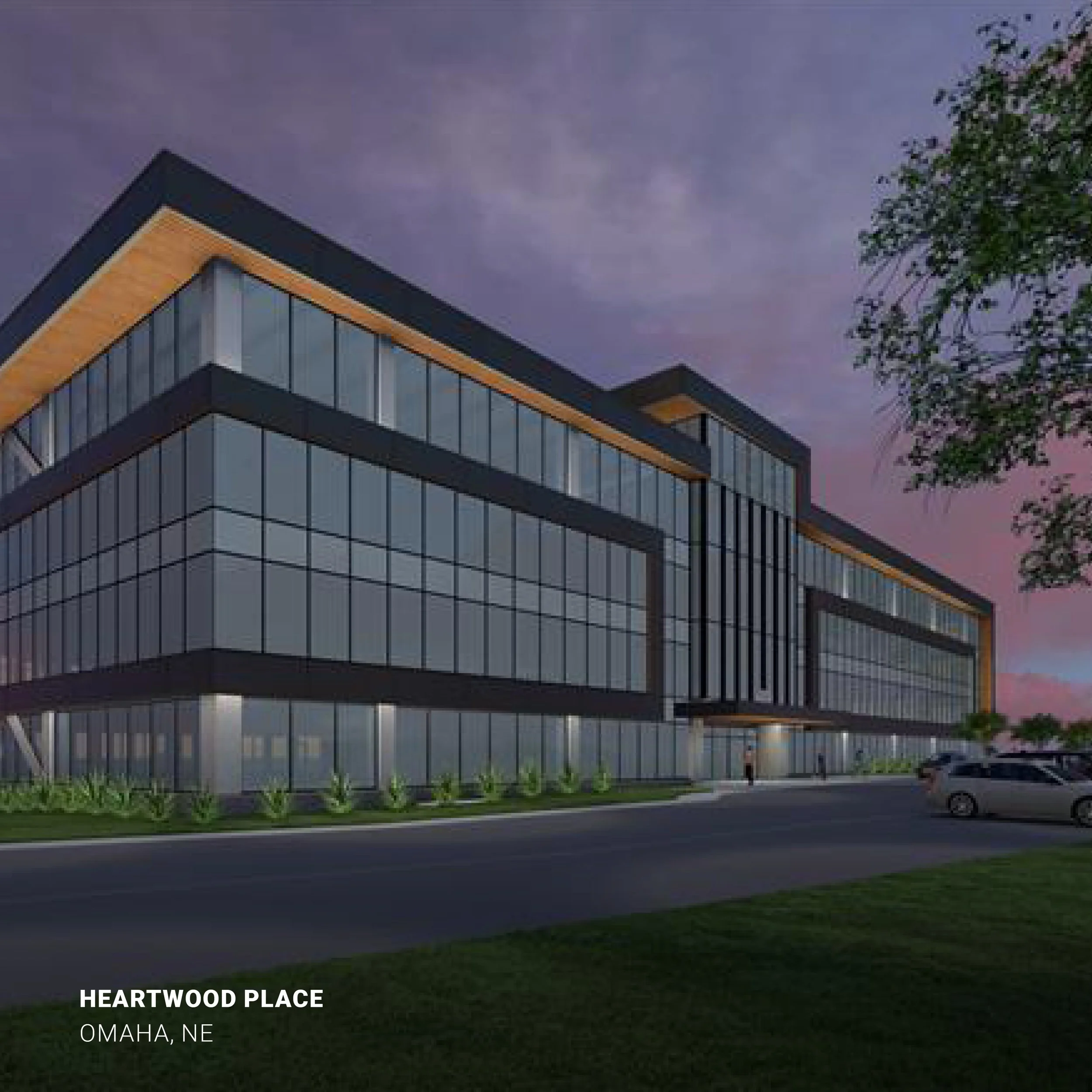
The 166,050 SF Heartwood Place office building in Omaha is part of a visionary development designed to foster flexibility, operational efficiency, and a vibrant work environment. The project brings together local workplace design experts to create a custom, cost-effective space that attracts top tenants and enhances user experiences.
With a focus on innovative and sustainable solutions, the 4-story, class-A office building includes underground parking, a fitness facility, locker rooms, patio, a fire pit and balconies.
University of Nebraska Medical Center CORE Building
Omaha, Nebraska
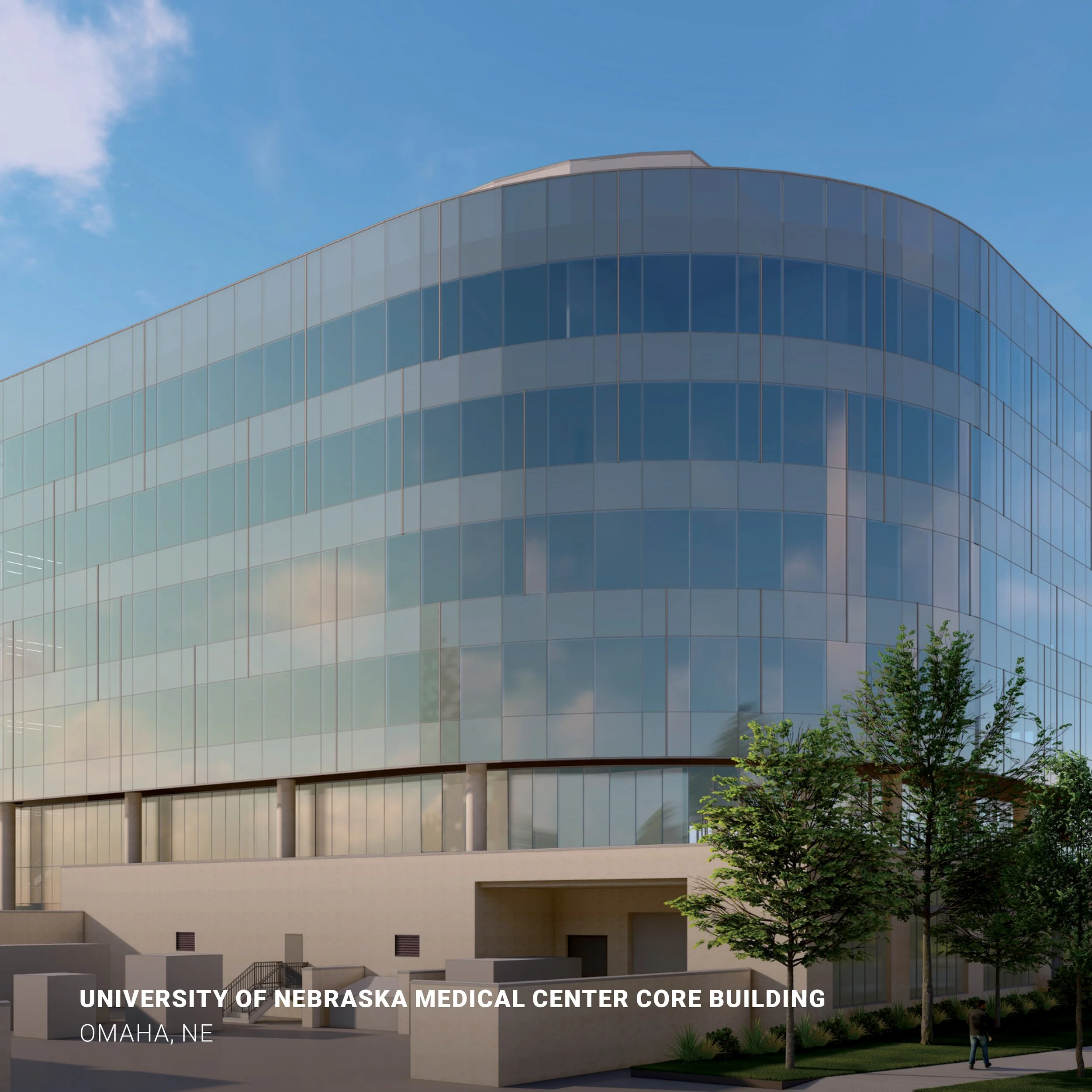
The CORE Building is a state-of-the-art research and development facility that anchors the university’s commitment to innovation and collaboration. More than 180,000 SF, the CORE Building integrates the university with biotech and technology startups, providing finished and shell lab spaces, administrative offices and flexible environments for research and development.
This facility is a cornerstone of UNMC’s master plan, supporting a wide range of biomedical, engineering and technology initiatives. The CORE Building’s design fosters interdisciplinary collaboration, accelerates innovation and positions UNMC as a leader healthcare research.
Minnesota Bureau of Criminal Apprehension crime lab
Mankato, Minnesota
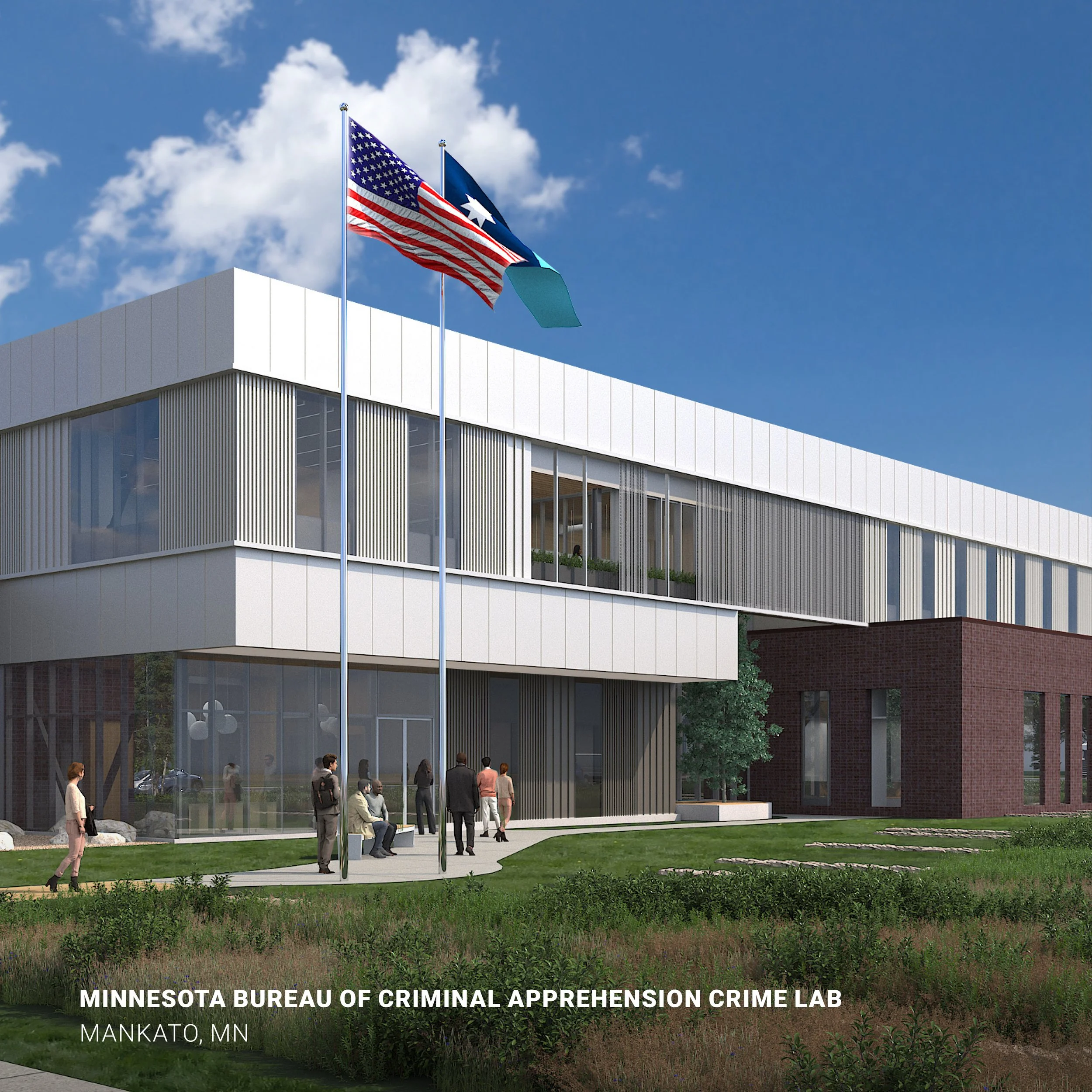
The Minnesota Bureau of Criminal Apprehension Southern Regional Office and Laboratory is designed to meet the growing demands of forensic science and investigative services. The 55,000 SF lab will replace leased spaces, providing advanced laboratories for drug chemistry, DNA, firearms and evidence handling, as well as secure administrative and training spaces.
This facility is engineered to meet current and future accreditation requirements, high-performance building standards and the well-being of investigative professionals. The design addresses both the technical rigor of forensic science and the human needs of staff, setting new benchmarks for investigative science facilities in Minnesota and beyond.
FiRST Center training facility
Lakeville, Minnesota
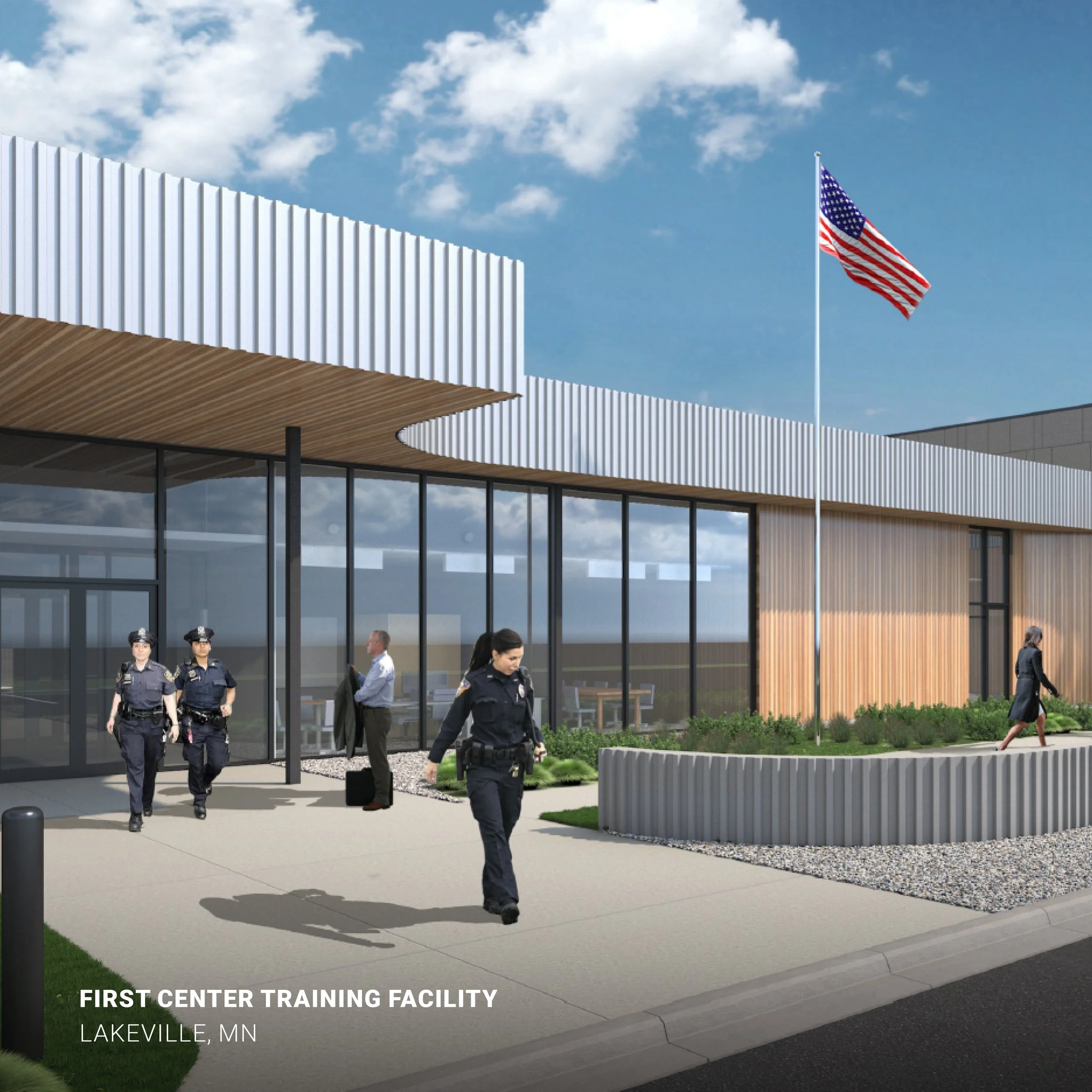
The First Responder Skills Training Center will meet the diverse and dynamic training needs of public safety personnel across the south Twin Cities metro area. The 43,300 SF center features flexible, adaptable spaces for first responder training, including a firing range, modern classrooms and specialized skills development areas.
Supporting both physical and virtual simulation of real-world emergency scenarios, the FiRST Center enhances the training capabilities of local agencies, providing a consistent space for ongoing professional development and real-world preparedness. The project redevelops a 14-acre brownfield site, anchoring the region’s commitment to public safety and community resilience.
Tunnel to Towers Veterans Villages
Harrisburg, Pennsylvania; North Charleston, South Carolina; Memphis, Tennessee; and Denver, Colorado
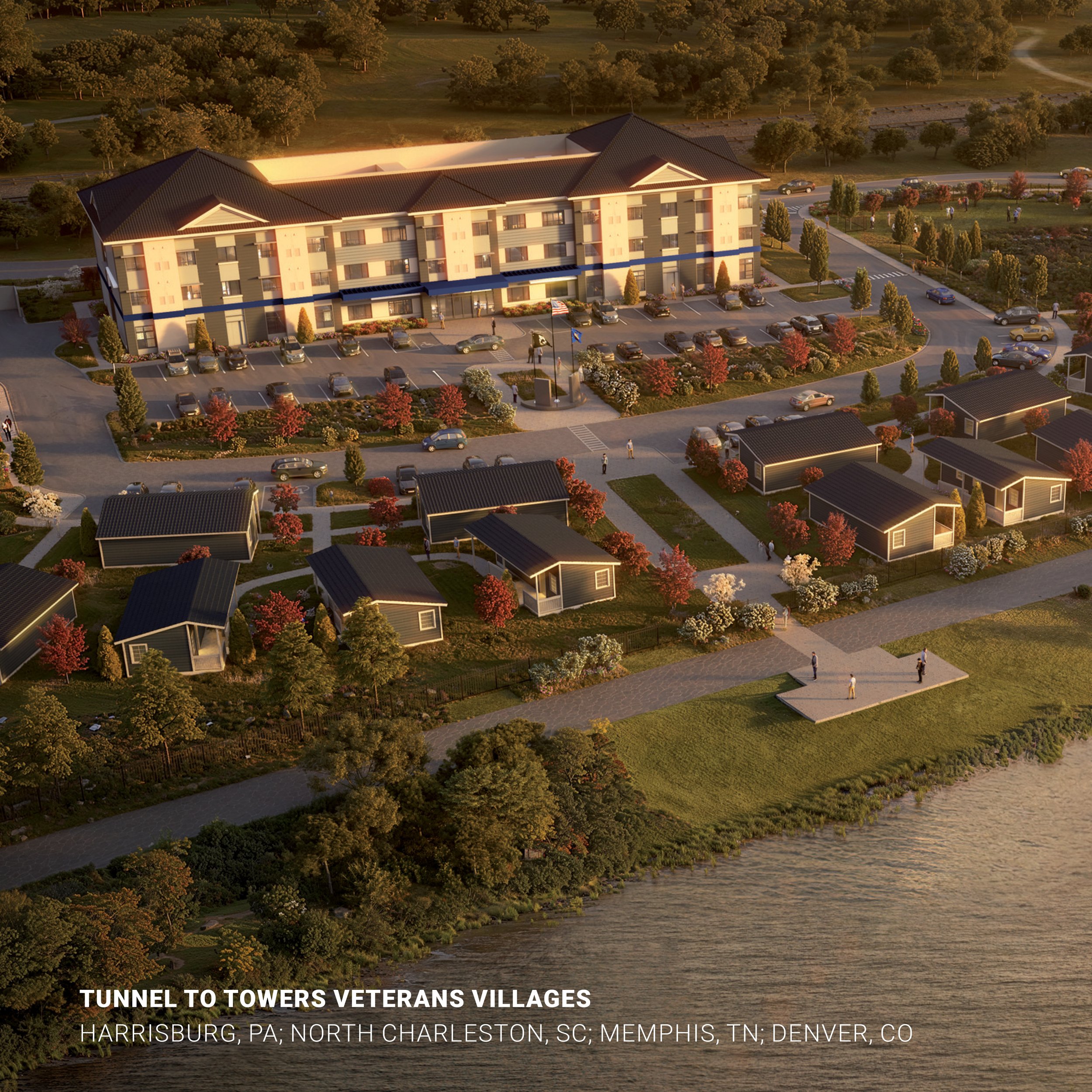
The Tunnel to Towers Veterans Villages are part of the organization’s nationwide initiative to end veteran homelessness, with LEO A DALY designing communities in Harrisburg, North Charleston, Memphis and Denver, in addition to the completed village near Atlanta. Each village features approximately 100 apartments or comfort homes, along with veteran-focused supportive services such as case management, workforce training, counseling and community amenities like fitness centers.
These projects involve both renovations of existing hotels and ground-up construction, tailored to the needs and culture of each region. The design celebrates the contributions of veterans, creating dignified, supportive environments that foster hope, healing and community for those who have served.
Palm Beach Atlantic University business school
Palm Beach, Florida
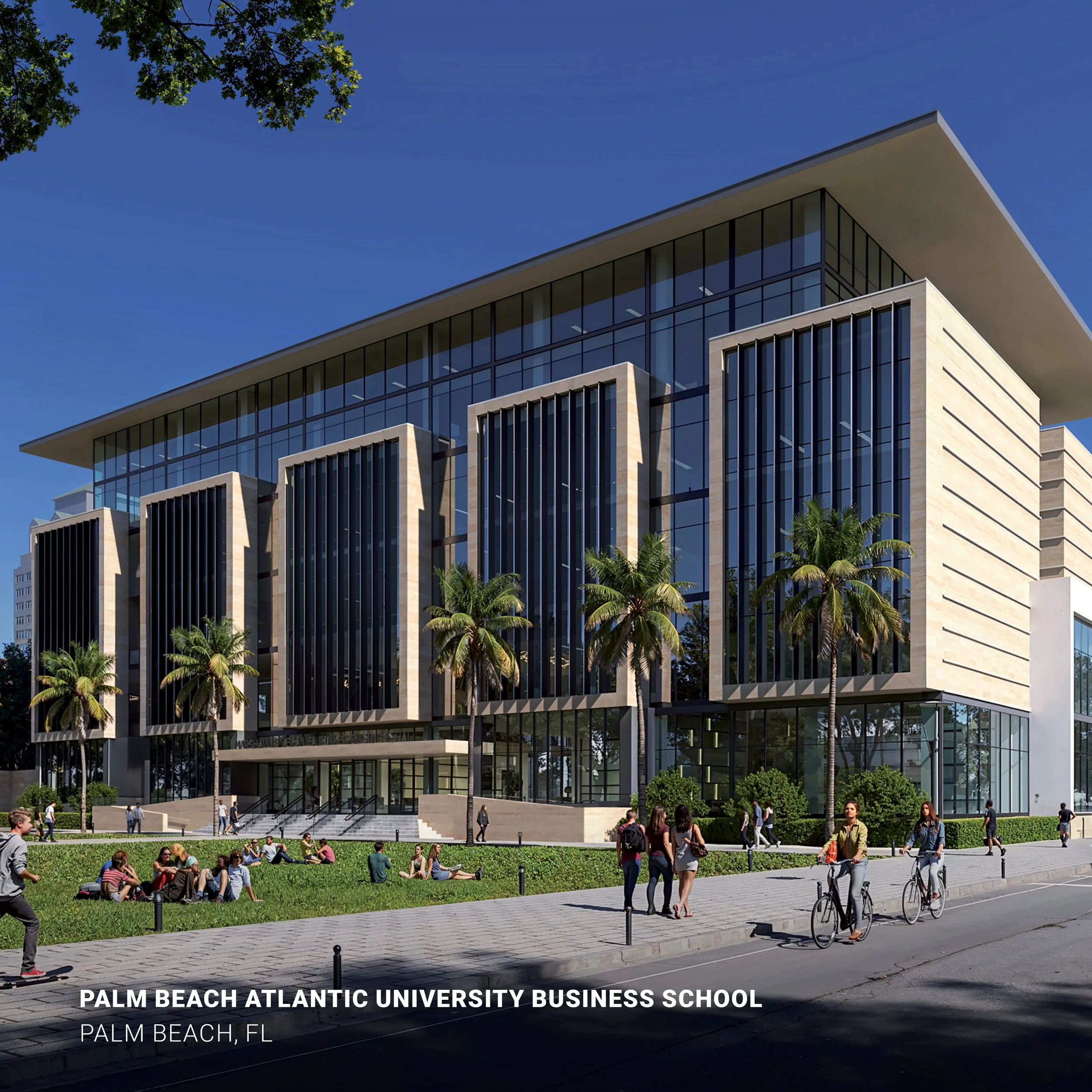
Palm Beach Atlantic University’s new 125,000 SF Business School is a transformative addition to the campus, designed to cultivate the next generation of ethical business leaders. The building features a stock trading room, a 314-seat tiered lecture hall and dedicated spaces for the Titus Center for Franchising and the LeMieux Center for Public Policy.
As part of the university’s master plan, the Business School will serve as a hub for innovation, collaboration and academic excellence. The facility’s design supports a dynamic learning environment, fostering partnerships and providing students with the resources and experiences needed to excel in today’s business world.
Dunham House
Omaha, Nebraska
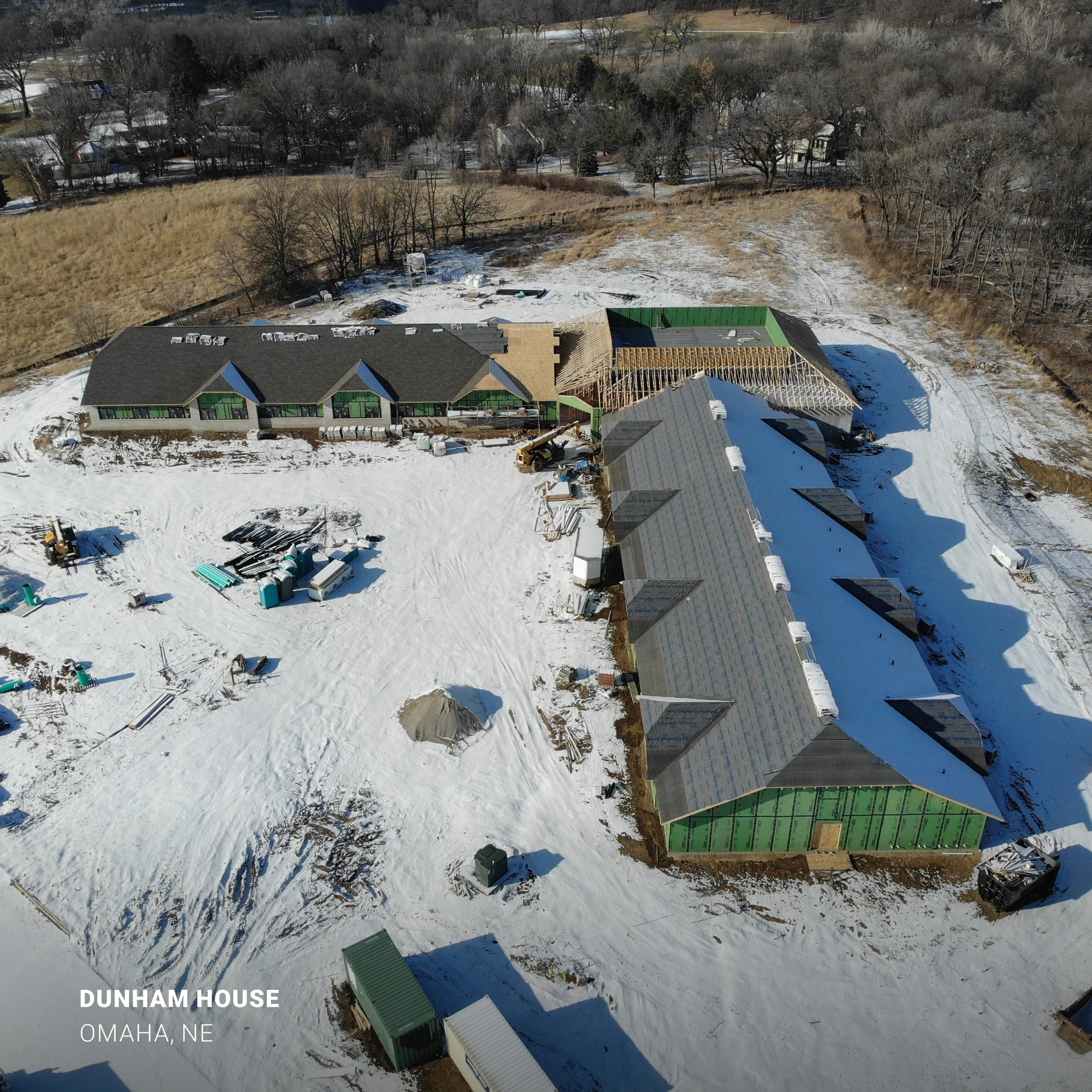
Dunham House is a 48-unit residence dedicated to providing supportive housing for combat-wounded veterans. Commissioned by Wounded Warriors Family Support, the 27,000SF facility is thoughtfully designed to foster community, comfort and dignity for its residents. Amenities include a shared coffee and recreation area, a spacious living room with a fireplace and TV, an activity and gaming room, a fitness center and a family-style dining area with an exterior patio for gatherings. The use of natural materials such as stone and wood, along with a palette of neutral colors, creates a warm, inviting environment that appeals to veterans of all ages, genders, and backgrounds.
The design of Dunham House extends beyond the building itself, with highly landscaped outdoor spaces that feature a walking trail, fire pit, and memorial area, encouraging both reflection and connection. Dunham House stands as a testament to the power of inclusive, purpose-driven design in creating uplifting environments for those who have served.