
Life science laboratory conversion: Five Questions with Greg McClure
How to successfully adapt a standard office building into a high-tech laboratory for life sciences
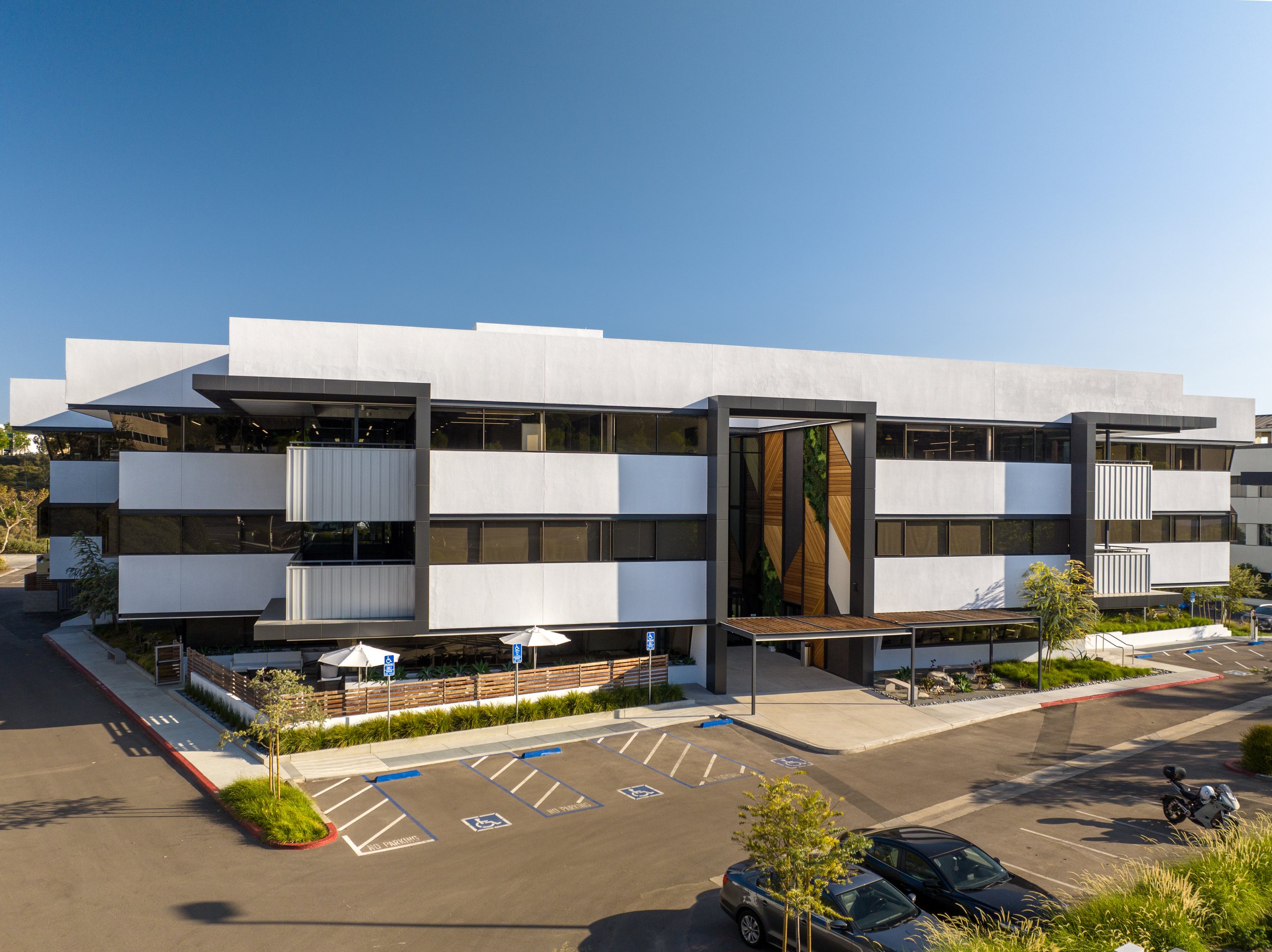
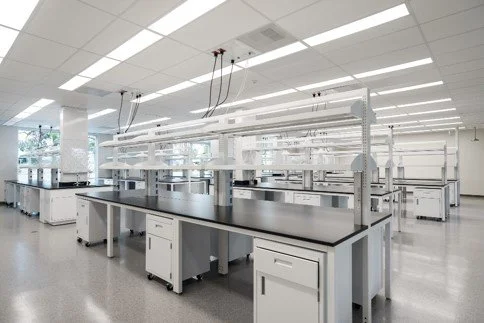
Oberlin Court Development, a 37,000 SF speculative life sciences building in San Diego.
Recent Perspectives
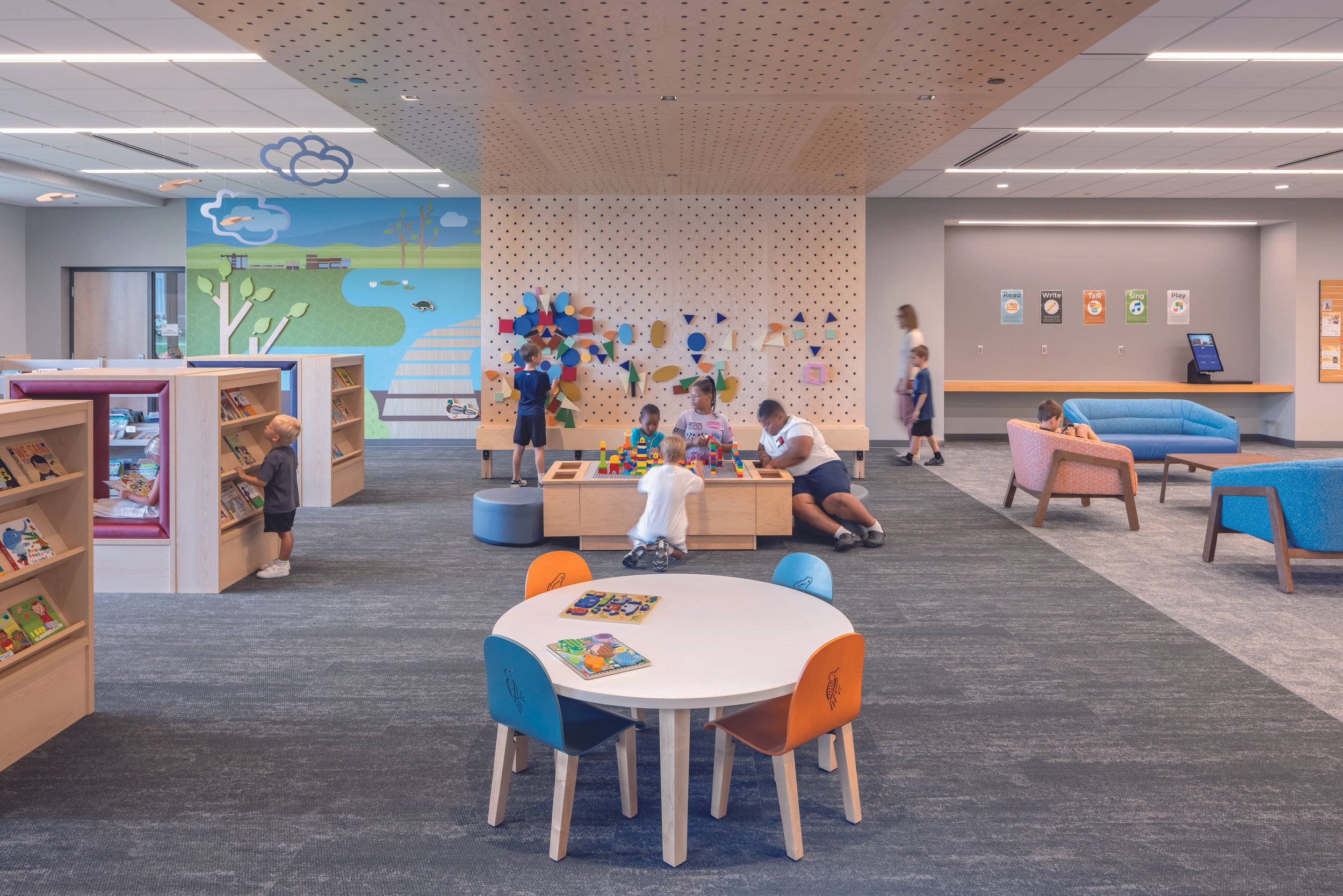


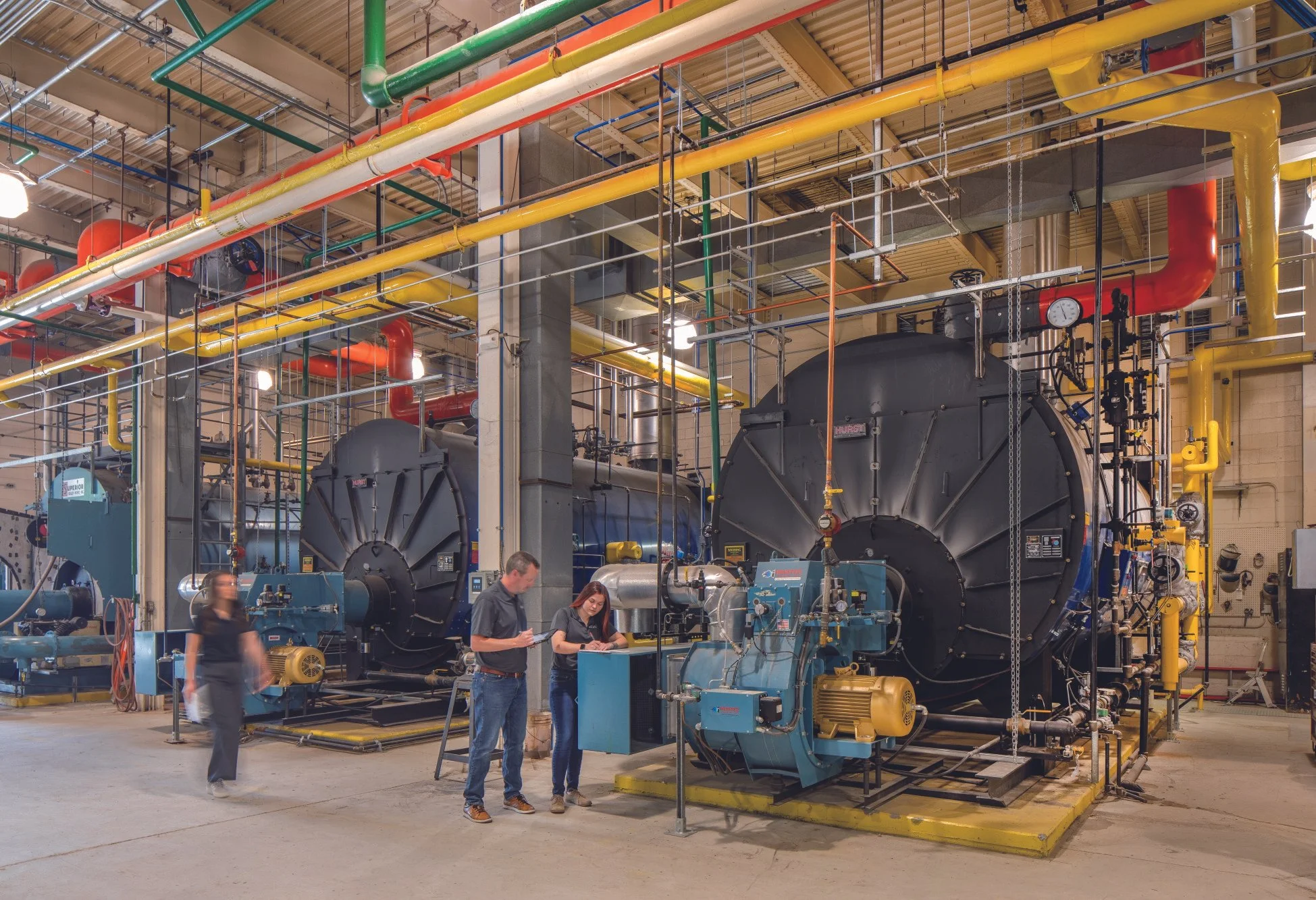
As demand for life sciences space continues to evolve, owners and developers are taking a closer look at existing office buildings as potential laboratory environments. While office‑to‑lab conversions are far more complex than typical adaptive reuse projects, they can offer compelling advantages in the right circumstances—particularly in land‑constrained urban markets. Drawing on extensive experience in this space, LEO DALY’s life sciences expert, Greg McClure, explores how to determine whether a conversion makes sense, what to look for in a candidate building, and the unique technical, infrastructure, and planning considerations that set life sciences labs apart from other reuse strategies.
1. What are the benefits of an office conversion rather than ground-up construction for a life sciences laboratory?
While converting an office to life sciences use is more complex than a standard office renovation — and suitable buildings are harder to find — once a viable candidate is identified, a conversion has several benefits over ground-up construction:
Lower capital cost: Major structural elements, such as the foundation, shell, and core systems, are already in place, which can save significant upfront capital.
Speed to market: While speed to market was especially critical during periods like the COVID vaccine rush, it remains an important advantage in waves of high demand. Avoiding lengthy entitlement and permitting processes can save years of time.
Land availability: Thisis a major issue in the dense urban environments that hold life sciences hubs, including here in San Diego.
Sustainability: Adaptive reuse is generally more sustainable than building new. Conversions reduce material waste, minimize embodied carbon and make productive use of existing urban assets.
2. What are good candidates for an office-to-lab conversion?
Strong candidates generally share a combination of infrastructure capacity, physical characteristics, and site logistics that allow labs to be integrated without excessive cost or delay.
One of the most frequent limiting factors is floor-to-floor height. We look for a minimum of 12 feet, with 14 feet preferred to accommodate lab systems, ductwork, and ceiling-mounted equipment. This is much taller than typical office buildings, so it eliminates many buildings straight away.
In some cases, smaller heights can be accommodated even on complex buildings, like my colleagues did with the James Mountain Inhofe VA Medical Center, an office-to-hospital conversion; however, we typically recommend looking for those heights.
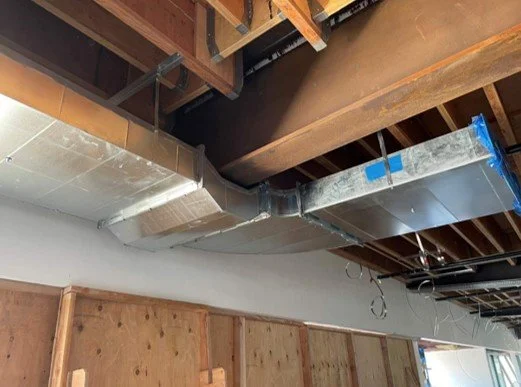
Duct work in building with tight floor-to-floor space
A viable candidate has sufficient, or easily enhanced, capacity for key utilities such as power, water, sewer, and gas. Sewer and water lines are especially critical; if upgrades require trenching into the public right-of-way, costs quickly become prohibitive. Buildings located in dense urban cores or established life sciences clusters typically have the needed utility capacity, whereas suburban office parks often lack sufficient infrastructure.
Lab equipment is heavy, so labs require significantly higher floor loads than office use. For multi-story candidates, the structural capacity of second and third floors must be carefully evaluated to ensure they can support lab equipment, freezers, and mechanical systems.
Ideal buildings will also have a freight-capable elevator and a robust loading area.
The best candidates are often single-story or low-rise buildings in urban markets with strong utility infrastructure.
3. How do you handle the additional power requirements?
Handling the additional power requirements is one of the most critical aspects of an office‑to‑lab conversion because life sciences facilities consume significantly more energy than traditional office space. A typical office uses around 10 watts per square foot, where laboratory buildings require roughly triple that due to intensive HVAC demands, specialized equipment, fume hoods and continuous operations. Early in the process, engineers evaluate overall building loads and existing electrical capacity to determine whether the current service can support lab use or if upgrades are required.
If additional power is needed, coordination with the local utility provider becomes a major part of the process. Increasing electrical capacity can be both costly and time‑consuming, as the utility may need to install new infrastructure to serve the site. In practice, roughly half to two‑thirds of office buildings already have adequate power for lab conversion, meaning upgrades are not always necessary. When they are, the schedule impact is often more challenging than the direct cost.
Separate from utility coordination, all labs must have a backup generator. If the existing building doesn’t have one, permitting can take six to nine months and can be one of the biggest impacts to the schedule.
4. For a developer or owner who’s repurposed an office building into another use, what is surprising or unique about lab building projects?
Life sciences lab buildings are so specialized that they require much more intensive work than projects for less complex spaces. Unlike most adaptive reuse projects, lab buildings demand substantial increases in core building systems, including power, water, gas, and fire protection. I mentioned the increased power needs — this frequently cascades into other impacts, such as the need for larger electrical rooms, roof or site space for mechanical equipment, and enhanced structural capacity to support it all.
HVAC design is another area where lab buildings differ dramatically. General laboratories require six to ten air changes per hour, and certain specialty spaces need 100 percent outside air — a huge change. This translates into larger air handlers, greater cooling capacity, and major coordination with electrical and structural systems to ensure the building or site can physically support this equipment. These mechanical demands ripple outward, affecting roof loading, utility sizing, and the overall layout of the project.
Finally, lab buildings introduce operational needs that many office conversions simply don’t have. Every life sciences building requires a central utility room housing systems like vacuum, compressed air, and sometimes purified water, all routed throughout the lab spaces. Dedicated areas for hazardous waste handling, bulk gas storage, and regular service access must be carefully planned, including clear truck routes and containment strategies.
All of these factors underscore the importance of early, comprehensive planning and experience—many of the most critical lab requirements are easy to overlook initially but can have major cost and schedule implications if not addressed upfront.
There’s one infrastructure benefit to a lab conversion: Typically, labs hold less workers per square feet, so we almost never need to increase parking.
5. How have advancements in technology affected how you design lab buildings?
DNA sequencing, quantum computing and AI are greatly increasing the speed and quantity of data output generated from samples. And so traditional wet labs are becoming more heavily weighted with more electric needs. We used to design spaces for an abundance of sinks, beakers, flasks, fume hoods, and fridges and freezers. Labs still have those, but they can now perform an analysis on a single drop of blood rather than a much larger sample. But you need the space, structural capacity and electric load for the more sophisticated DNA processing or other type of machinery. We’re building more generators and negotiating with the utility companies for more power than ever before.
Interested in learning more about life sciences? Email Greg McClure.
About the author
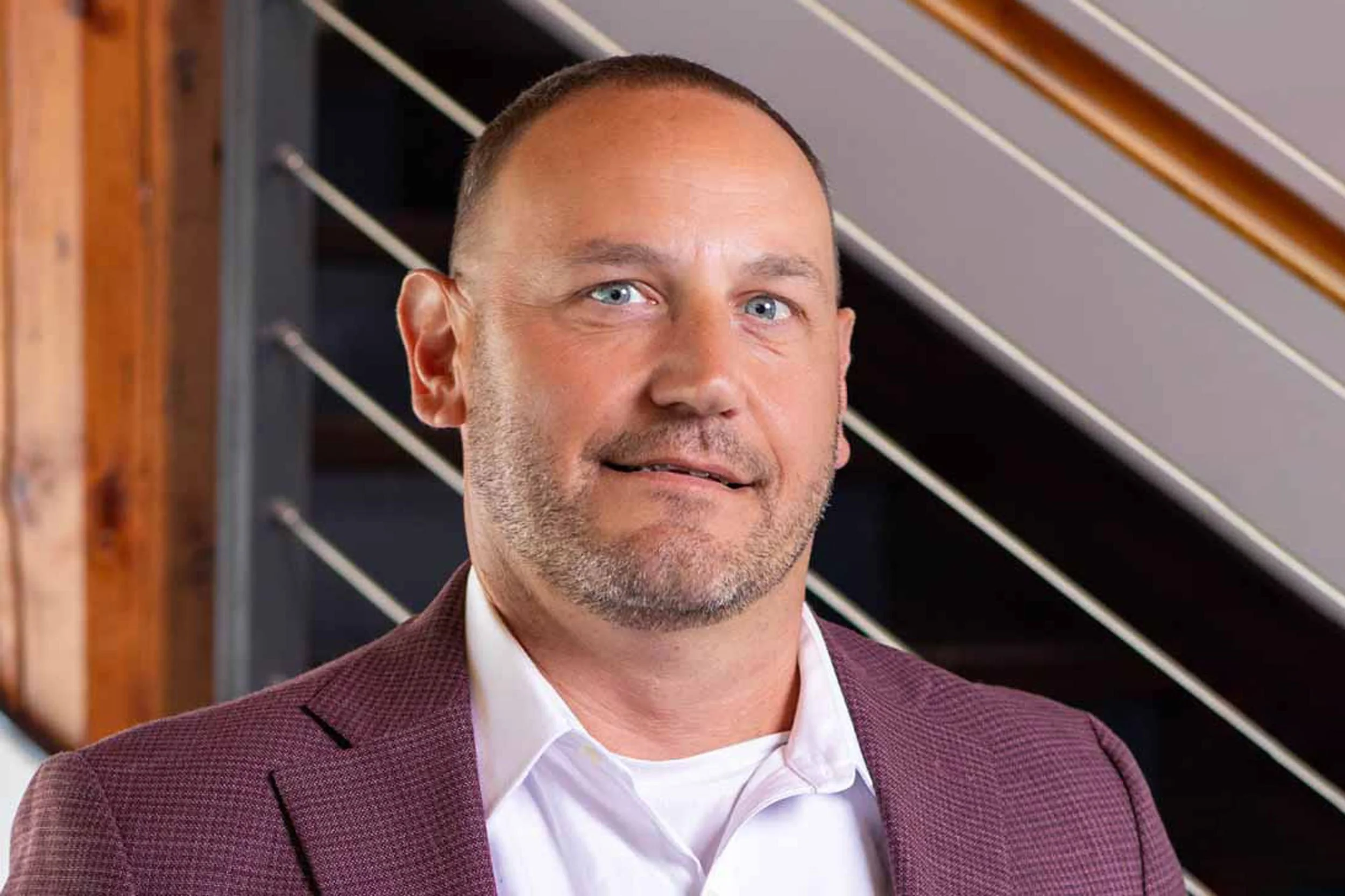
Greg McClure, AIA
Vice President, Director
Greg McClure serves as director of life science and education in LEO A DALY’s Delawie studio. His life sciences work focused on a blend of developer spec projects and tenant specific laboratory designs. McClure has been actively involved with the AIA, serving on multiple committees and as a board member during his career. McClure maintains professional registration in multiple states including California. He earned his bachelor’s degree in architecture from Virginia Tech University and is a LEED Accredited Professional in Building Design + Construction.