
Adaptive reuse as placemaking: Designing the future workplace from what already exists
LEO A DALY’s Irena Savakova shares the placemaking opportunities in projects that repurpose existing building stock
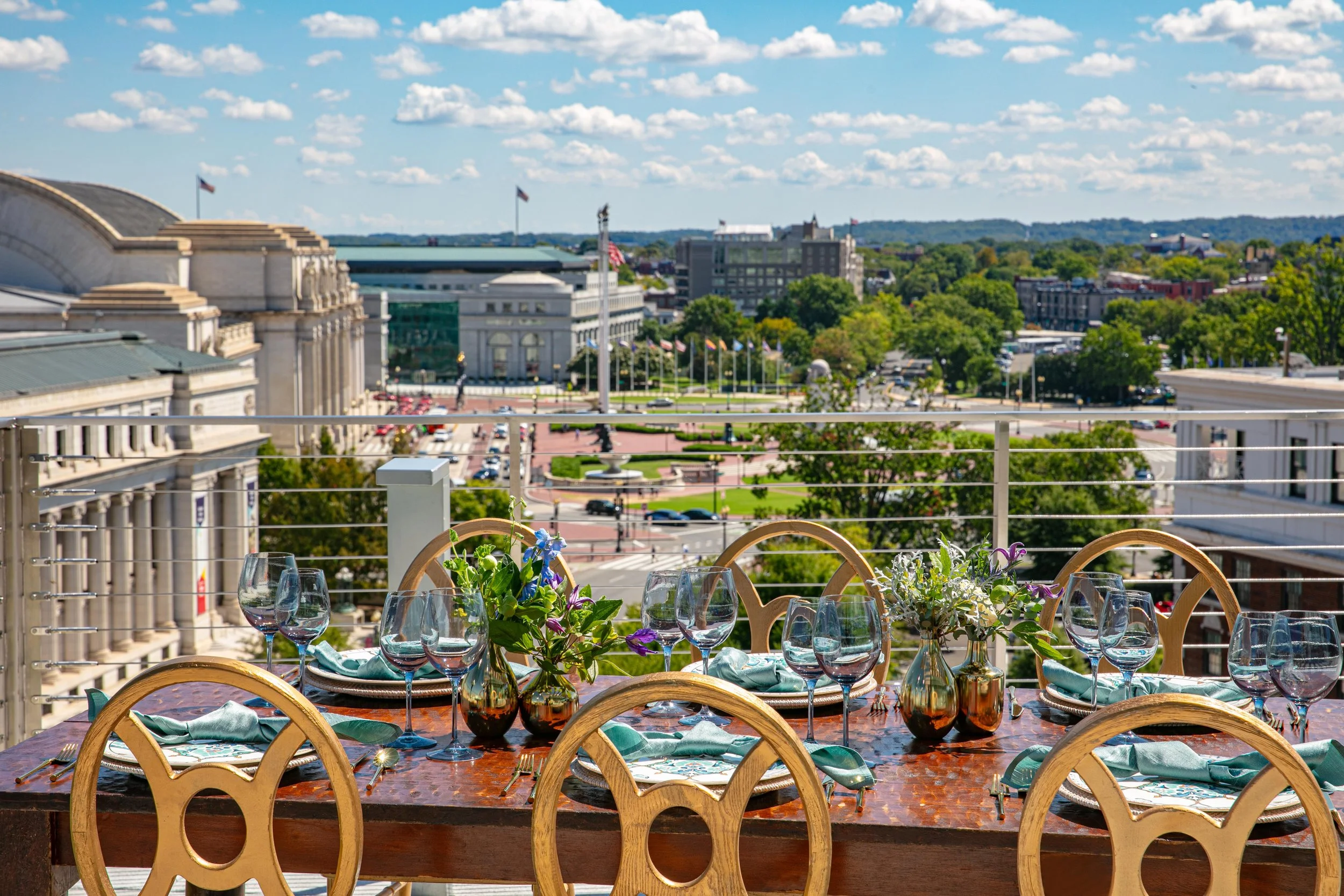
The Royal Sonesta at 20 Massachusetts Ave NW
Recent Perspectives


By Irena Savakova, RIBA, LEED AP BD+C, Fitwel Ambassador
LEO A DALY design director, commercial
Elevated interest rates, tighter lending, cost volatility are challenging traditional ground-up projects, while adaptive reuse is emerging as a powerful strategy to reposition vacant and underperforming office assets. This post-COVID environment of global economic fluctuations has led to a reshuffling of how, and where, people work.
In this reshuffling we have an opportunity in our urban cores. As buildings are repurposed or even reimagined for a brand new mix of uses, we can tell a new story, blending our past into our present to create a new urban vitality for our future.
In this landscape, placemaking has emerged as an essential tool to rebuild and strengthen our cities. And adaptive reuse is proving to be its most powerful vehicle. Placemaking, at its core, is about creating environments that invite participation — spaces people want to move through, linger in, and return to. What better place to do that than in the heart of a city?
The Limits of the Blank Slate
Building structures inherently shape how we live. Their mass, scale, and opacity shape how neighborhoods function. A monolithic office block with no permeability at the ground plane can sever pedestrian networks, discourage commercial activity, and undermine public safety. When workplaces withdraw from the city, they take vitality with them.
Placemaking challenges this paradigm by refusing the blank slate. By overlaying an existing building with placemaking features, such as public art, greenery and activity, we have the opportunity to uplift the entire area. Working within an existing urban and structural context demands a deeper engagement with how an area is inhabited.
Translating Emotional Weight into New Spatial Languages
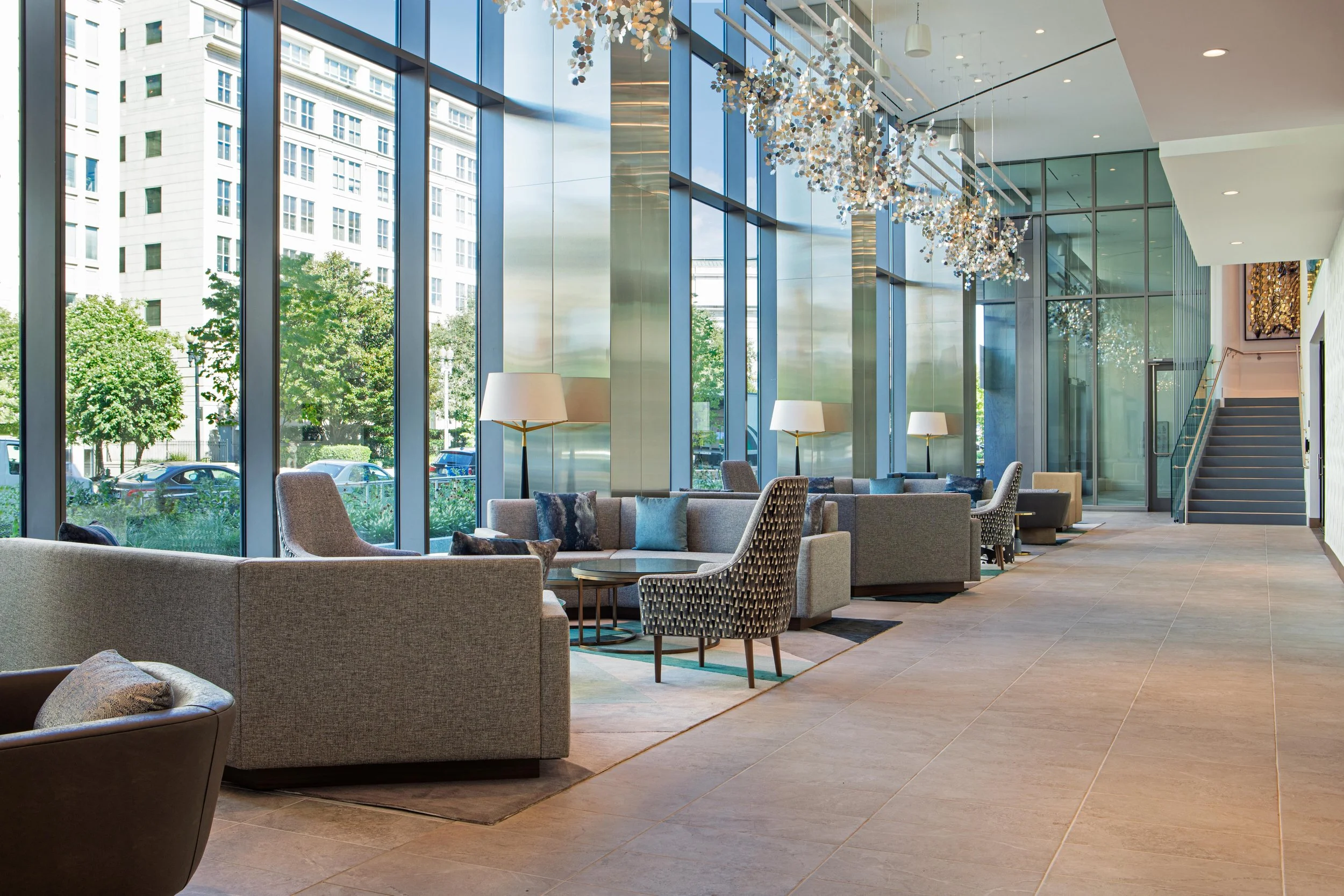
20 Massachusetts Ave NW in Washington, D.C. reimagined an outdated office building in in the heart of the nation’s capital into a vibrant, mixed-use destination. The design centers on placemaking, turning the site into a catalyst for activity and community engagement. The project features a luxury hotel, retail, and amenities, all seamlessly integrated to encourage walkability and urban vitality near Union Station and the U.S. Capitol.
Placemaking begins at the intersection of building mass, street, and movement. One of the greatest advantages of adaptive reuse is existing buildings are already embedded within an urban ecosystem; uplift one building and you can transform an entire neighborhood.
At 20 Massachusetts Avenue in Washington, D.C., the transformation of an underperforming office building into a contemporary workplace environment illustrates this principle clearly. Prior to reuse, the dated office building functioned as inert mass: formally present, experientially absent. It met zoning requirements but failed the city. The challenge was not simply to renovate interiors, but to recalibrate how the building participated in the street around it.
Adaptive reuse allowed the project to address these issues holistically. By redefining circulation, opening visual connections, and inserting programmatic variety where there was once uniformity, the building began to operate as a porous, legible element of the urban fabric.
To do this, we created an indoor-outdoor experience, with green space flowing into an inviting lobby. Now, the building is a vibrant, active urban hub, with a Royal Sonesta Hotel, office space and community amenities.
Making the Past a Collaborator
Adaptive reuse is often framed in terms of sustainability metrics: embodied carbon preserved, materials conserved, demolition avoided. While these are critical outcomes, they are not the full story.
Equally meaningful is the cultural and psychological dimension of reuse. Older buildings carry a kind of emotional weight — a record of how a city has lived and evolved. When designers treat this history as a collaborator rather than a constraint, new spatial languages emerge.
From Single-Use to Social Infrastructure
Existing buildings are particularly well-suited to mixed programming. Their structural robustness allows for flexibility in how space is reconfigured over time, and their urban location makes them ideal candidates for hybrid uses that blur the line between workplace and city.
Placemaking, in this context, extends beyond the tenant experience. Ground planes active the streets. Shared amenities become neighborhood assets. Buildings begin to function as social infrastructure — supporting not just work, but daily life.
At a moment when cities are struggling to recover vibrancy, this role is critical. Adaptive reuse enables workplaces to act as catalysts for community.
Making the Past a Collaborator
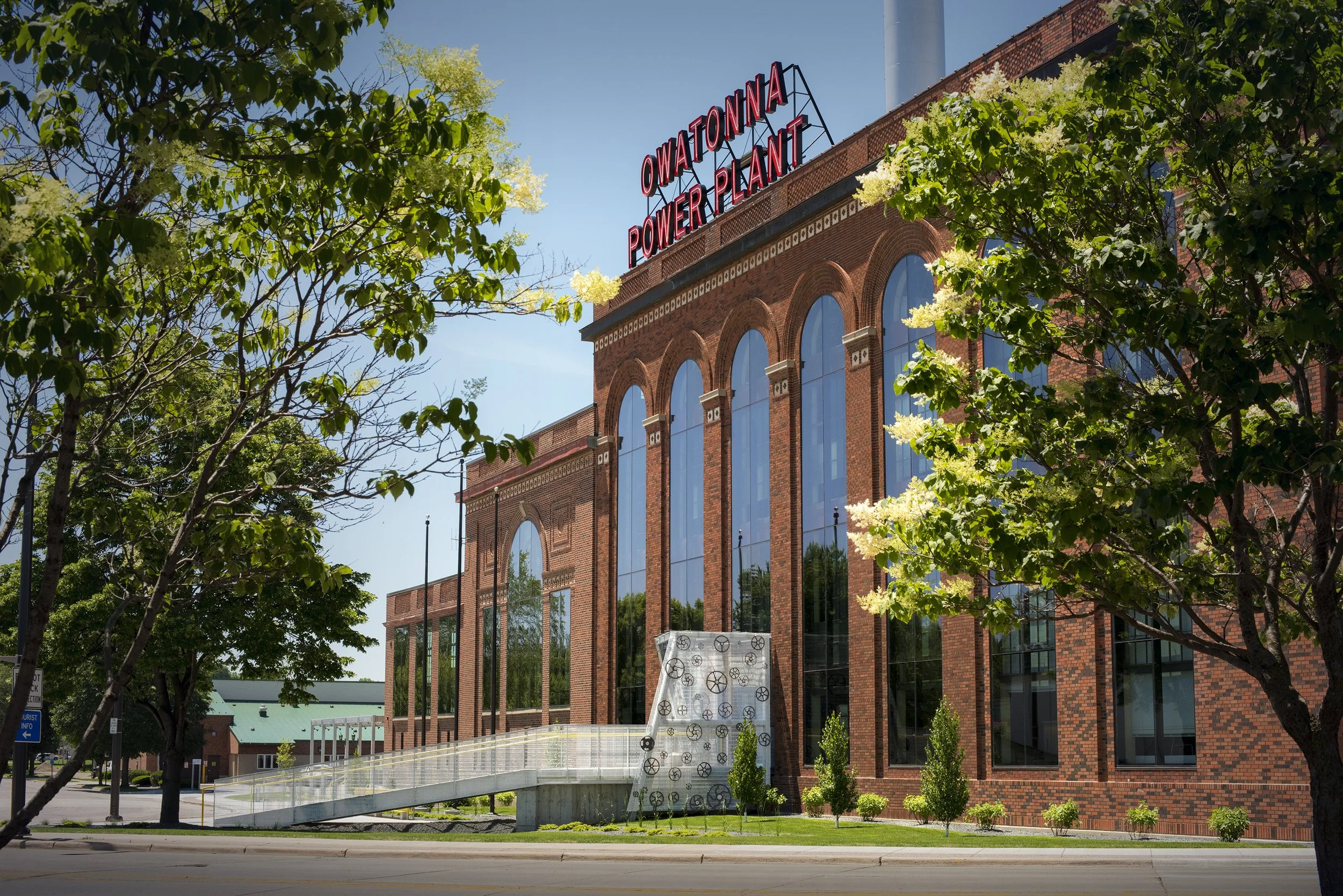
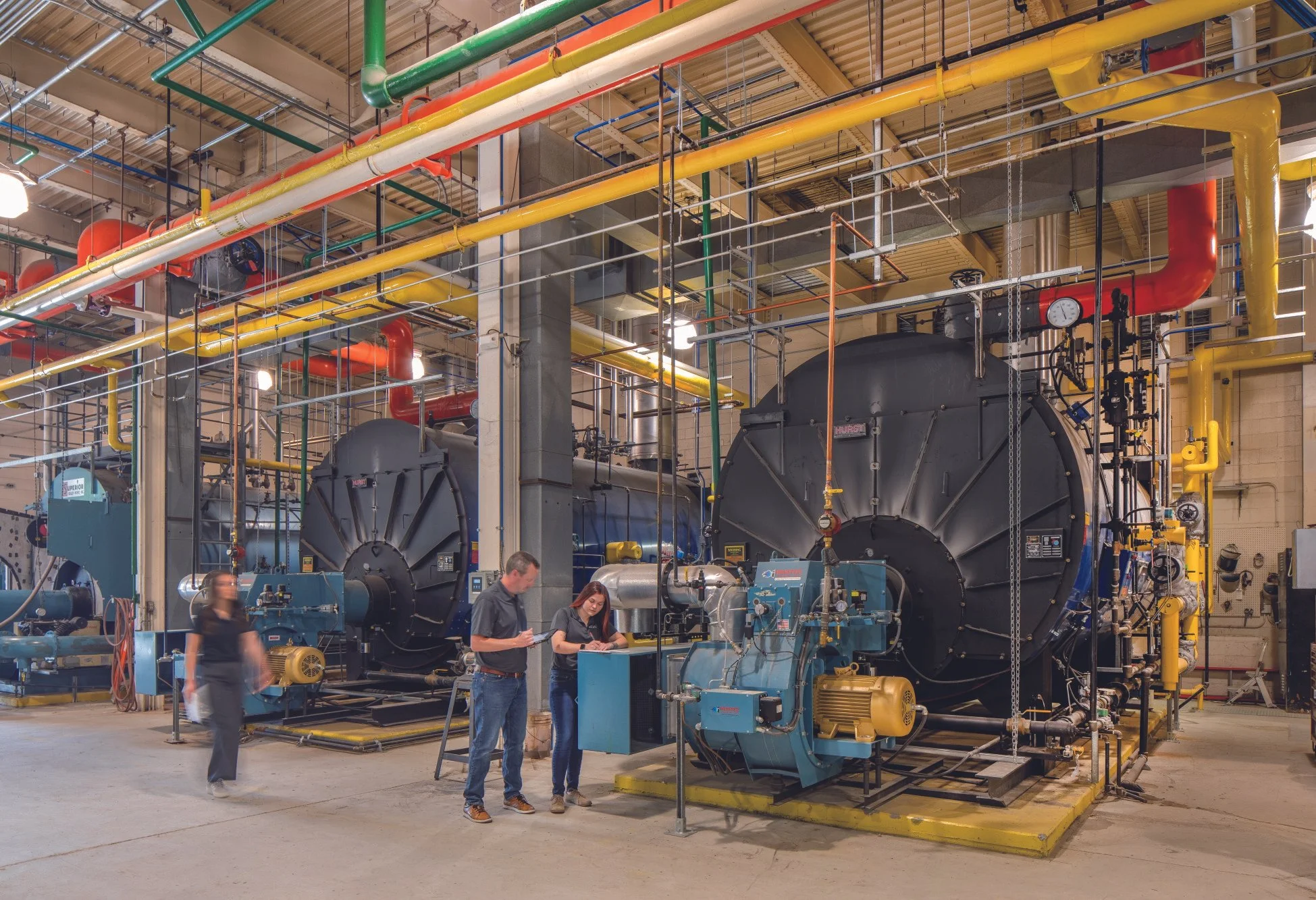
The Owatonna Power Plant was repurposed into the new headquarters for Owatonna Public Utilities in Owatonna, Minnesota. Following significant flood damage in 2010, the project focused on integrating flood mitigation solutions while preserving the historic character of the original building. The design consolidated all primary administrative and utility support functions into one location, utilizing preserved and reclaimed materials from the power plant. The facility now features specialized storage and repair shops, energy-efficient elements, and unique interior spaces that reflect the building’s historic significance and promote workflow efficiency and public accessibility.
Adaptive reuse is often considered for reasons of practicality: rising construction costs, surplus office inventory, sustainability mandates. In most cases, it can be something more poetic: stakeholders and designers can create a dialogue between memory and the present. We have an opportunity to preserve our urban fabric while at the same time increasing its vibrancy and activity.
As cities mature, opportunities for placemaking increasingly lie within existing fabric. The future workplace will be shaped by intelligent transformations — projects that repair urban relationships, reintroduce human scale, and create environments that feel both contemporary and grounded.
Placemaking is the heart of this process, the thing that elevates adaptive reuse into an enhancement rather than a neutral change.
Building Forward by Designing Within
The most compelling workplaces of the future will be inviting, intuitive, and deeply integrated into their contexts. They will make movement feel natural, social interaction effortless, and presence meaningful.
Adaptive reuse offers a framework for achieving this by allowing the past to inform new ways of working and gathering. In doing so, it transforms obsolete mass into engaged place, and buildings once seen as liabilities into active participants in urban life.
For designers, developers, and cities alike, this represents both a responsibility and an opportunity. The future of the workplace will be built from what we already have. The question is no longer whether we reuse, but how thoughtfully we do so.
Interested in learning more? Email Irena.
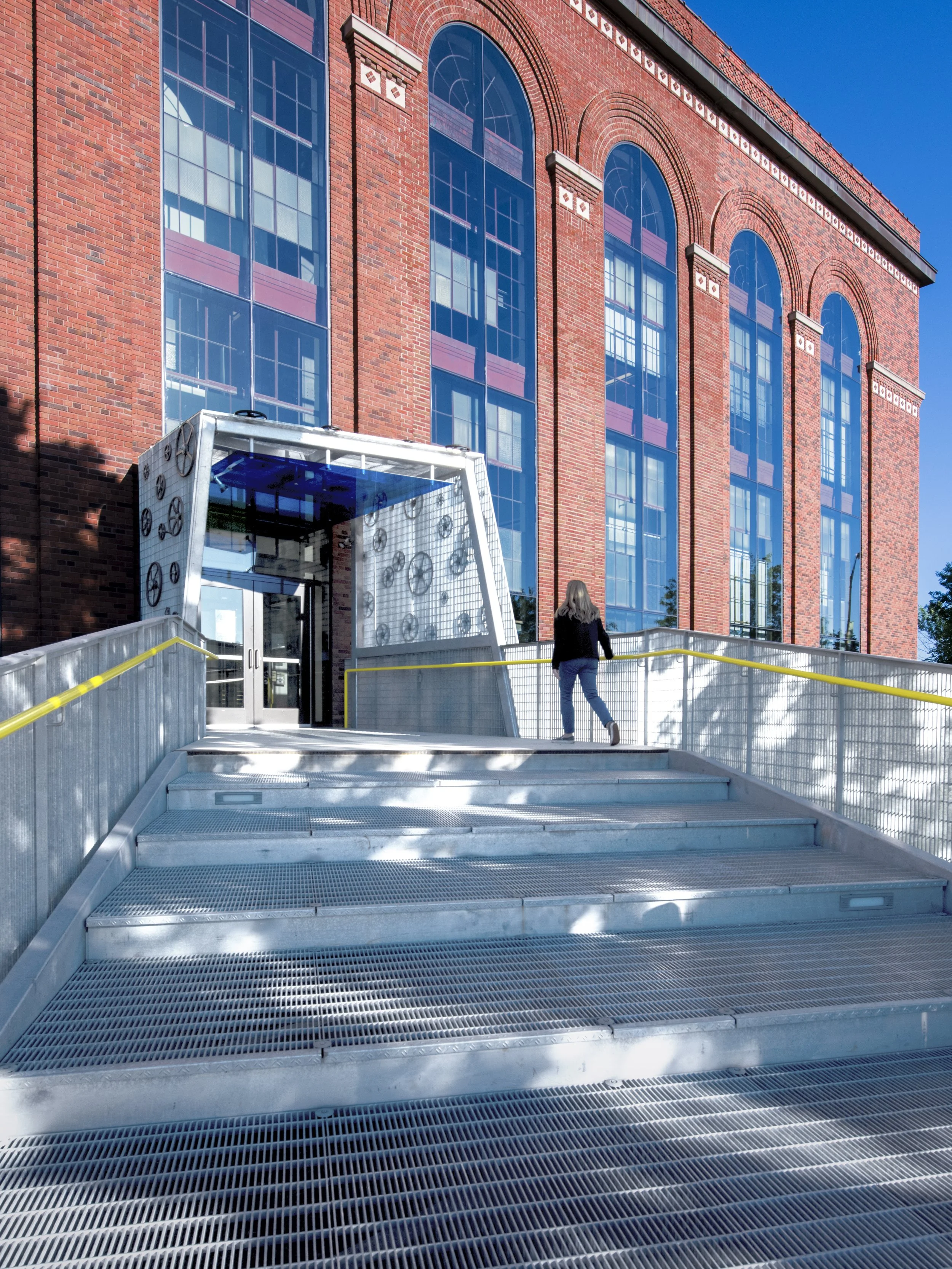
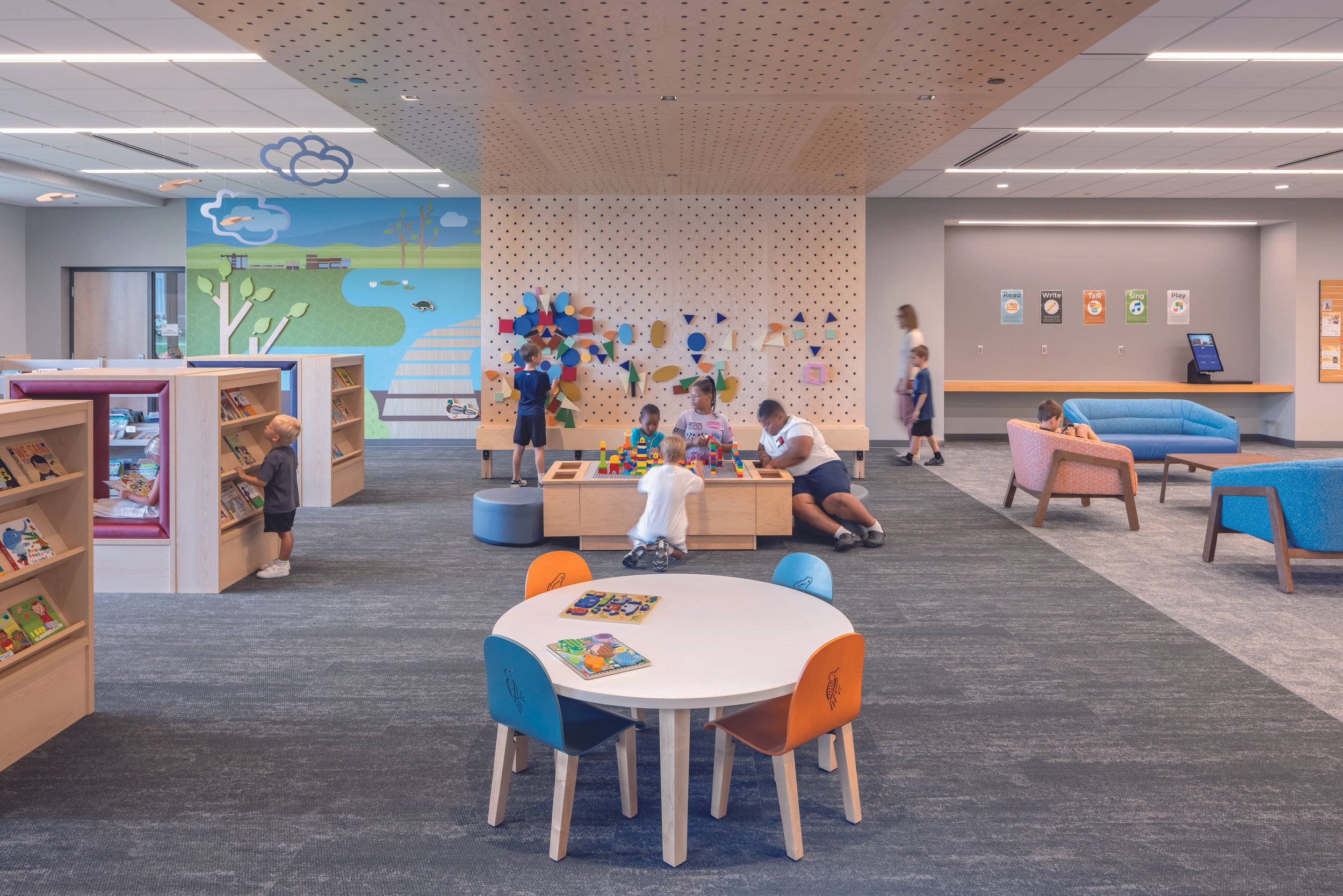
The Owatonna Power Plant was repurposed into the new headquarters for Owatonna Public Utilities in Owatonna, Minnesota. Following significant flood damage in 2010, the project focused on integrating flood mitigation solutions while preserving the historic character of the original building. The design consolidated all primary administrative and utility support functions into one location, utilizing preserved and reclaimed materials from the power plant. The facility now features specialized storage and repair shops, energy-efficient elements, and unique interior spaces that reflect the building’s historic significance and promote workflow efficiency and public accessibility.
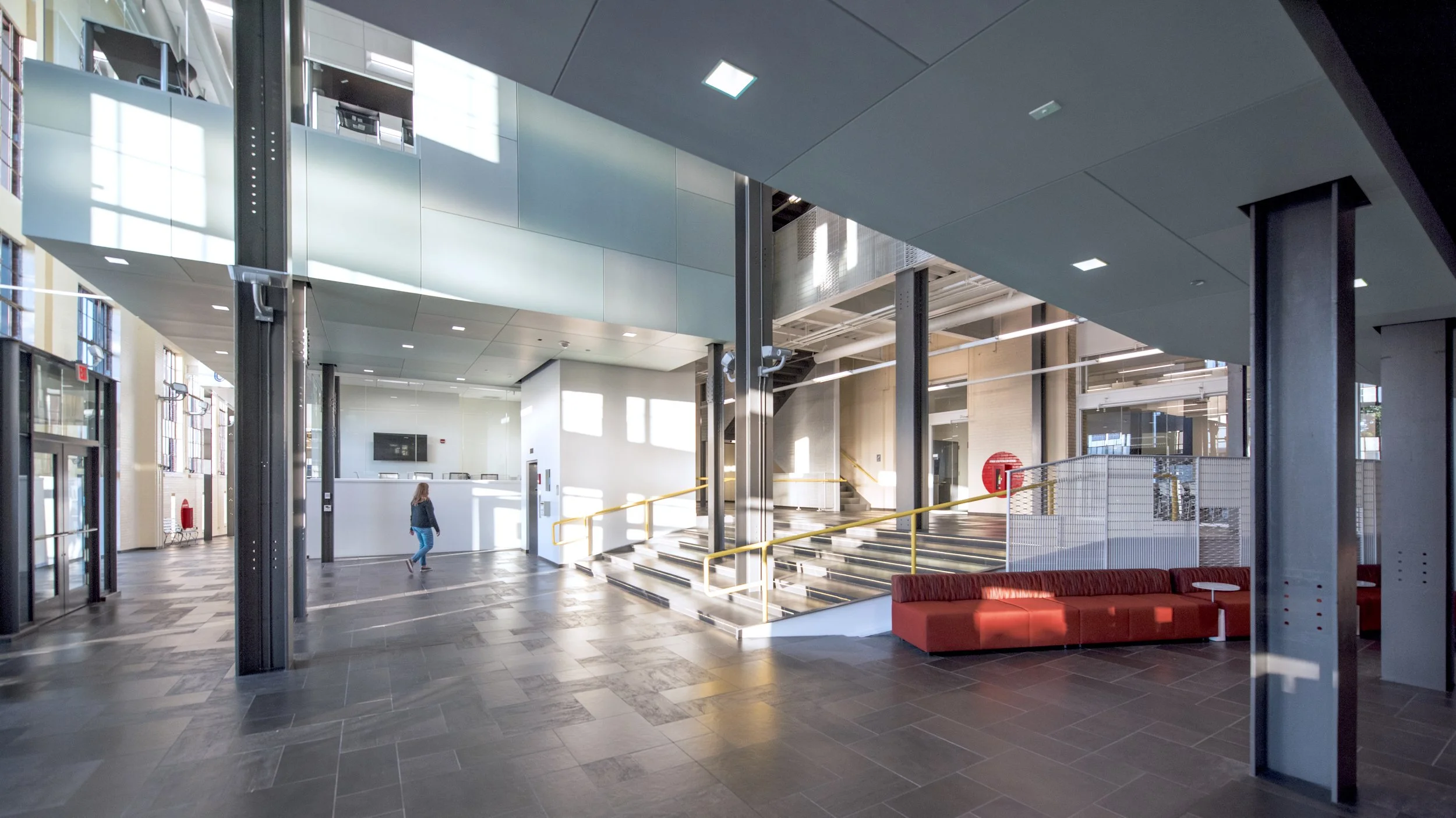
The Owatonna Power Plant was repurposed into the new headquarters for Owatonna Public Utilities in Owatonna, Minnesota. Following significant flood damage in 2010, the project focused on integrating flood mitigation solutions while preserving the historic character of the original building. The design consolidated all primary administrative and utility support functions into one location, utilizing preserved and reclaimed materials from the power plant. The facility now features specialized storage and repair shops, energy-efficient elements, and unique interior spaces that reflect the building’s historic significance and promote workflow efficiency and public accessibility.
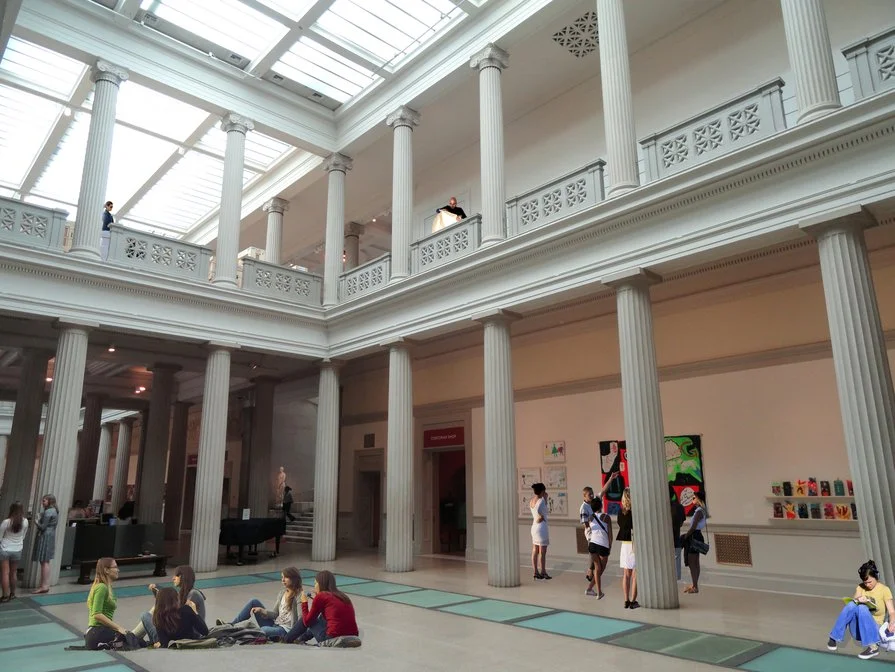
The comprehensive renovation and restoration of the historic Corcoran School of the Arts & Design at The George Washington University in Washington, DC. transformed a 1887 national landmark into a modern, world-class arts-education environment while preserving its Beaux Arts heritage. The renovation included stabilizing the building’s structure, upgrading life safety, mechanical, electrical, and plumbing systems, and converting over 15,000 SF of art galleries into classrooms, studios and teaching spaces.
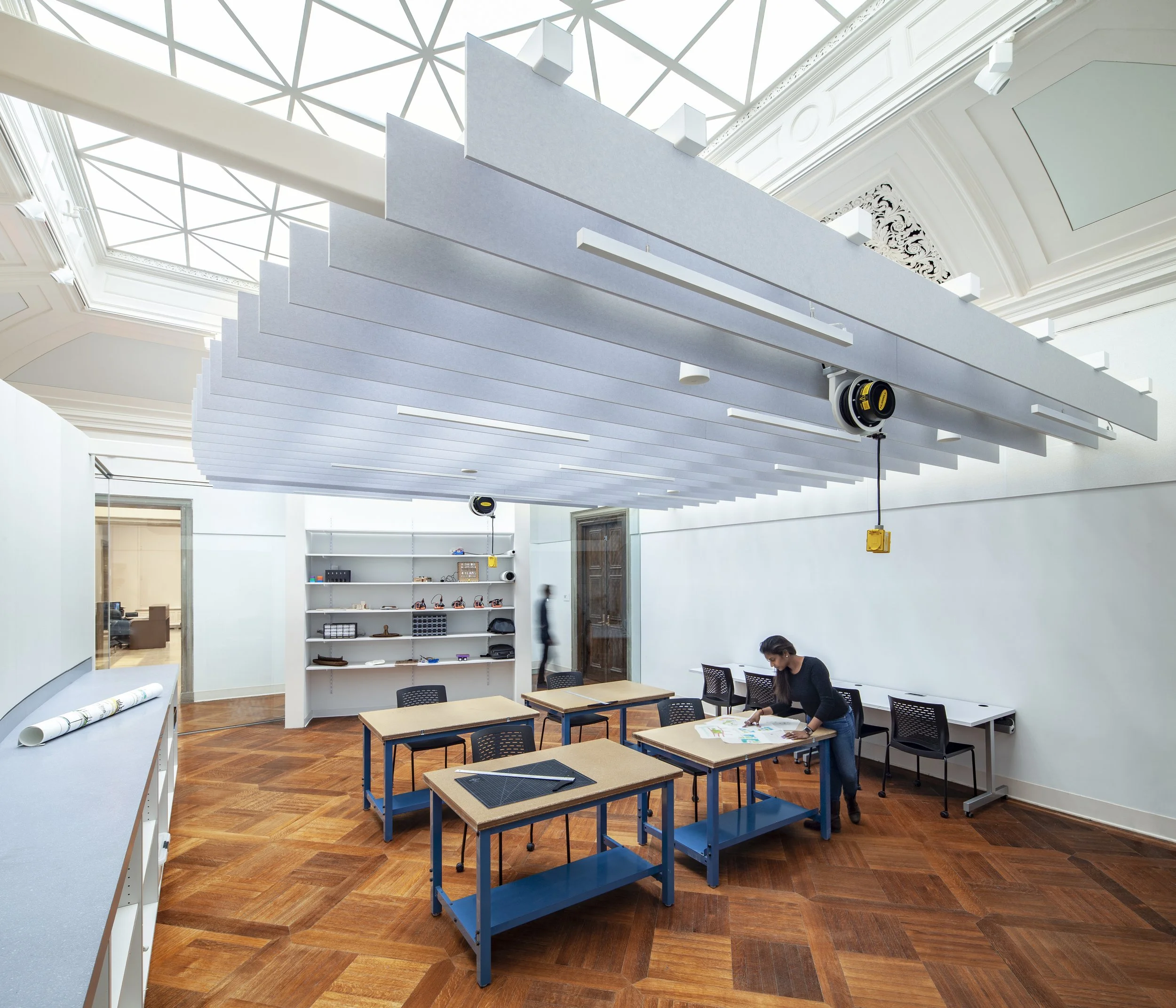
The comprehensive renovation and restoration of the historic Corcoran School of the Arts & Design at The George Washington University in Washington, DC. transformed a 1887 national landmark into a modern, world-class arts-education environment while preserving its Beaux Arts heritage. The renovation included stabilizing the building’s structure, upgrading life safety, mechanical, electrical, and plumbing systems, and converting over 15,000 SF of art galleries into classrooms, studios and teaching spaces.
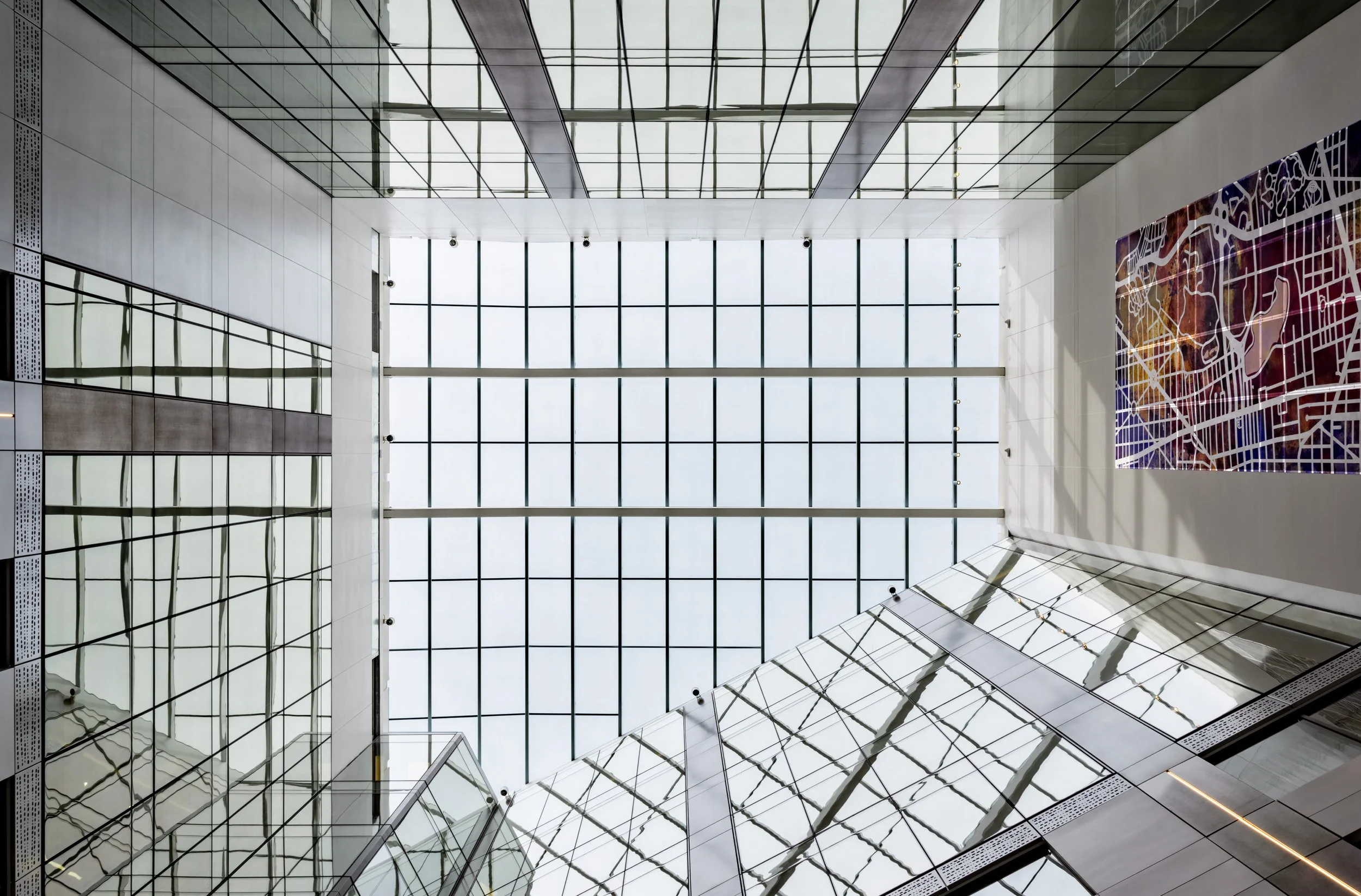
20 Massachusetts Ave NW in Washington, D.C. reimagined an outdated office building in in the heart of the nation’s capital into a vibrant, mixed-use destination. The design centers on placemaking, turning the site into a catalyst for activity and community engagement. The project features a luxury hotel, retail, and amenities, all seamlessly integrated to encourage walkability and urban vitality near Union Station and the U.S. Capitol.
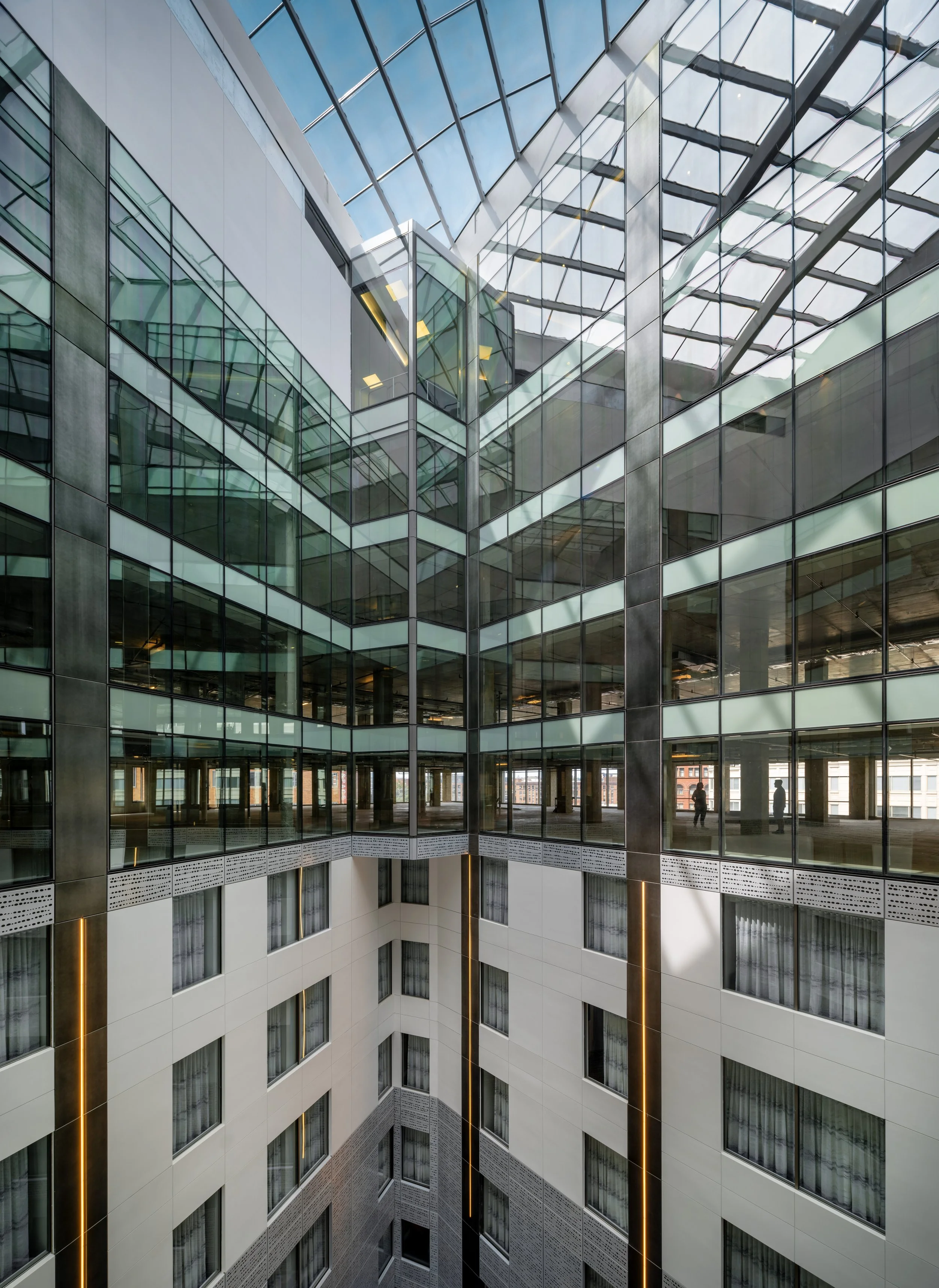
20 Massachusetts Ave NW in Washington, D.C. reimagined an outdated office building in in the heart of the nation’s capital into a vibrant, mixed-use destination. The design centers on placemaking, turning the site into a catalyst for activity and community engagement. The project features a luxury hotel, retail, and amenities, all seamlessly integrated to encourage walkability and urban vitality near Union Station and the U.S. Capitol.
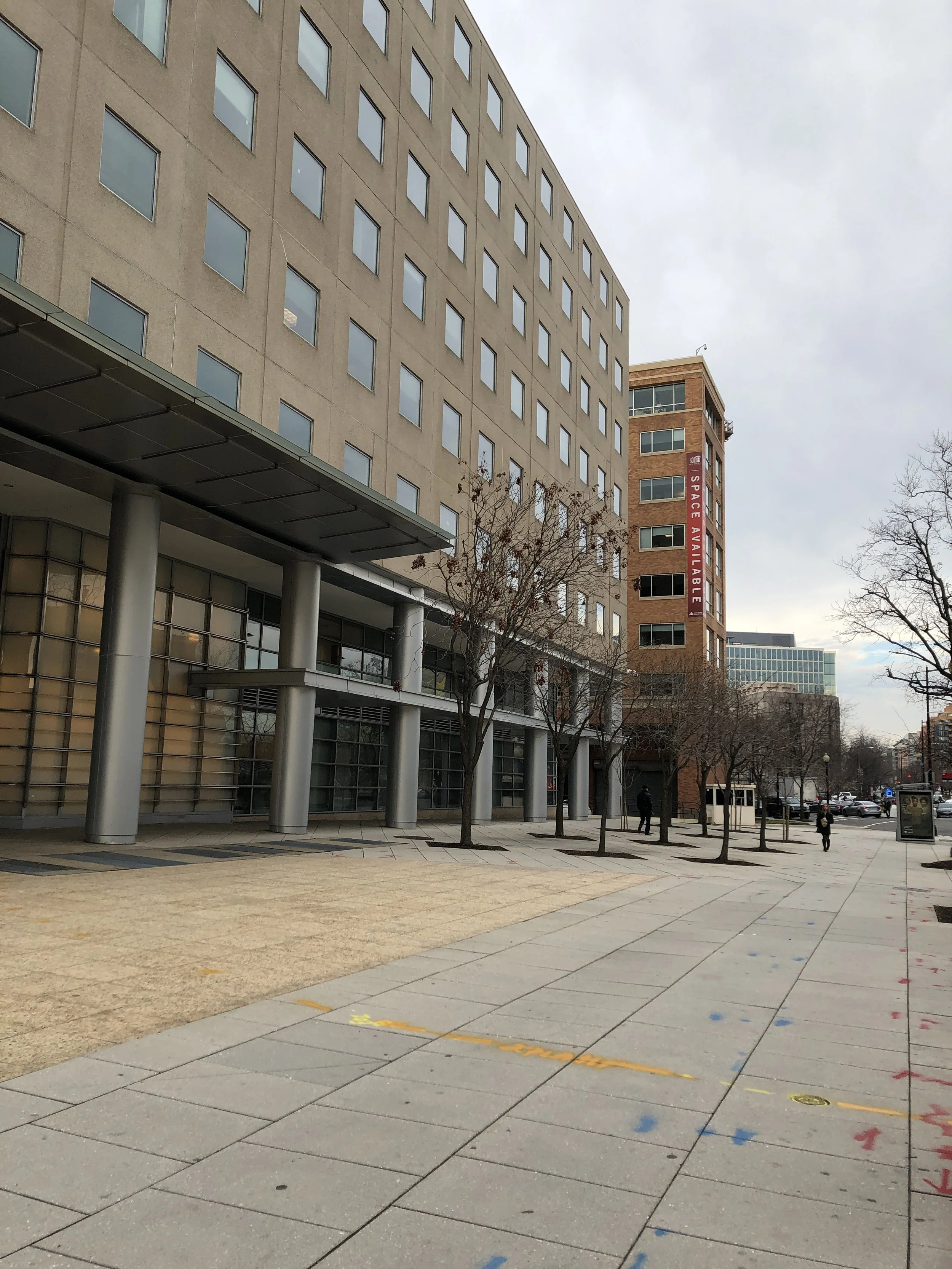
20 Mass before
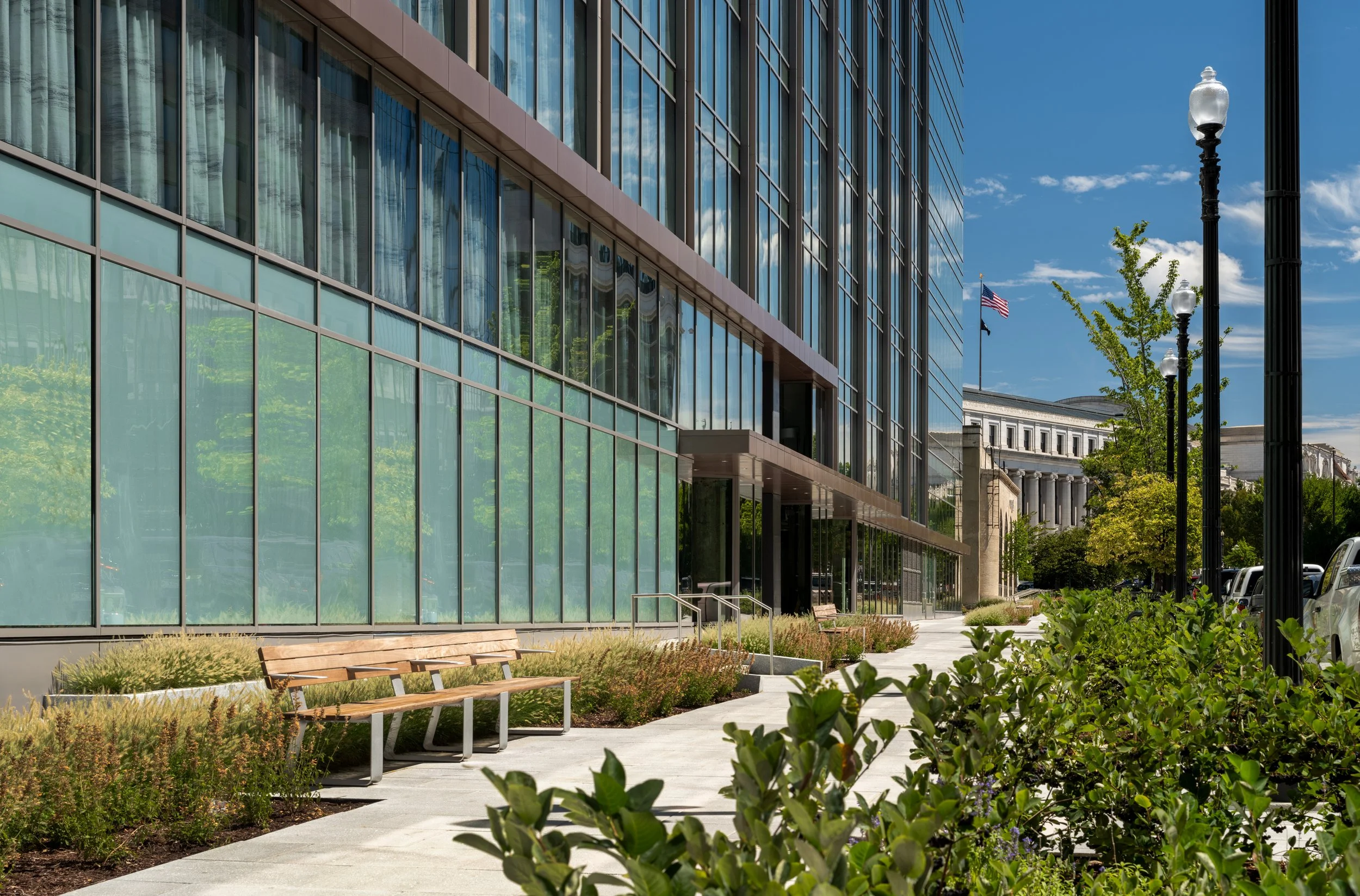
20 Mass after
About the authors

Irena Savakova, RIBA, LEED AP BD+C, Fitwel Ambassador
Vice President, Design Director, Commercial
Irena Savakova is the design director for LEO A DALY’s commercial market, where she leads and oversees design efforts at a company-wide level. With three decades of experience, she is recognized for her award-winning expertise in commercial, placemaking, and hospitality sectors, both locally and internationally. She holds a master of architecture from the University of Maryland College Park and a master of architecture from the Institute of Architecture in Sofia, Bulgaria. Her leadership is marked by a commitment to authenticity, meaning, and beauty in design, as well as mentoring and inspiring design teams.