
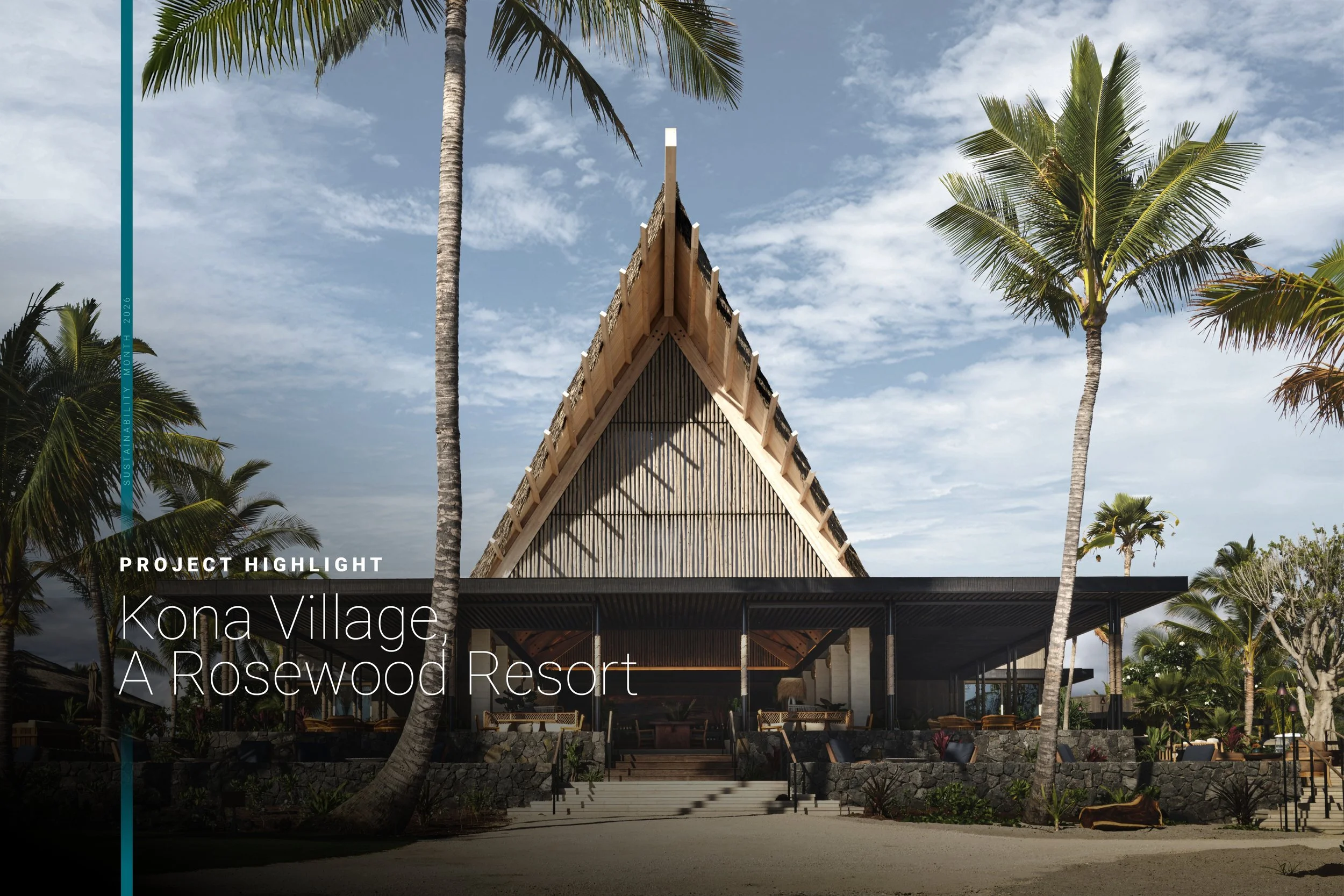
Project Highlight: Kona Village, A Rosewood Resort
Project Highlight: Kona Village, A Rosewood Resort
Recent Perspectives


Luxury, Sustainability, and Sense of Place
Nestled into a rugged stretch of Hawaii Island’s Kona Coast, Kona Village, A Rosewood Resort is an expansive display of integration between nature and luxury, with eco-friendly features running through its 83 acres like a vein of the lava that the resort rests atop.
Originally built in the 1960s and accessible only by air, the resort quickly became a beloved hideaway for artists, travelers, and families seeking an experience defined by authentic Hawaiian luxury. A tsunami in 2011 forced its closure, and five years later developer Kennedy Wilson began the process of redesigning and reimagining the storied resort.
LEO A DALY, as Delawie, served as architect of record, offering design expertise in key areas of the renovation.
The design team embarked on a multi-year, intensive process of reviving the beloved elements of the resort while elevating its offerings. The result can be described as simple luxury: standalone rooms with rich furnishings and no television; beautiful pathways traversed primarily on foot or by bicycle; buildings nestled right into cooled lava flows.
Since its reopening in 2023, Kona Village has received countless accolades, from design awards to travel mentions.
Conde Nast Traveler wrote: “What’s so special about this new iteration of Kona Village under the Rosewood aegis, is that it ticks every last box. The design is stellar and channels the location beautifully, the service is warm and professional, the beach and the natural setting cannot be beat, and perhaps most importantly—and, hardest to pull off—the vibe is just so good. It’s the Platonic ideal of ‘Hawaiian hotel.’”
A Legacy Worth Protecting
From its earliest days, Kona Village cultivated an ethos of luxury steeped in nature. Guest accommodations were freestanding hale (pronounced hah-lay: the Hawaiian word for house, building, or home) rather than traditional hotel rooms. Pathways meandered through lava fields rather than paved corridors. Celebrities and creatives mixed easily with repeat visitors, many of whom returned year after year, forming bonds with staff and fellow guests. Many of the redevelopment project’s stakeholders were former guests themselves, deeply invested in preserving the soul of the original Kona Village. This collective memory shaped every major design decision, from site planning to material selection to guest experience.
Designing Lightly on Volcanic Land
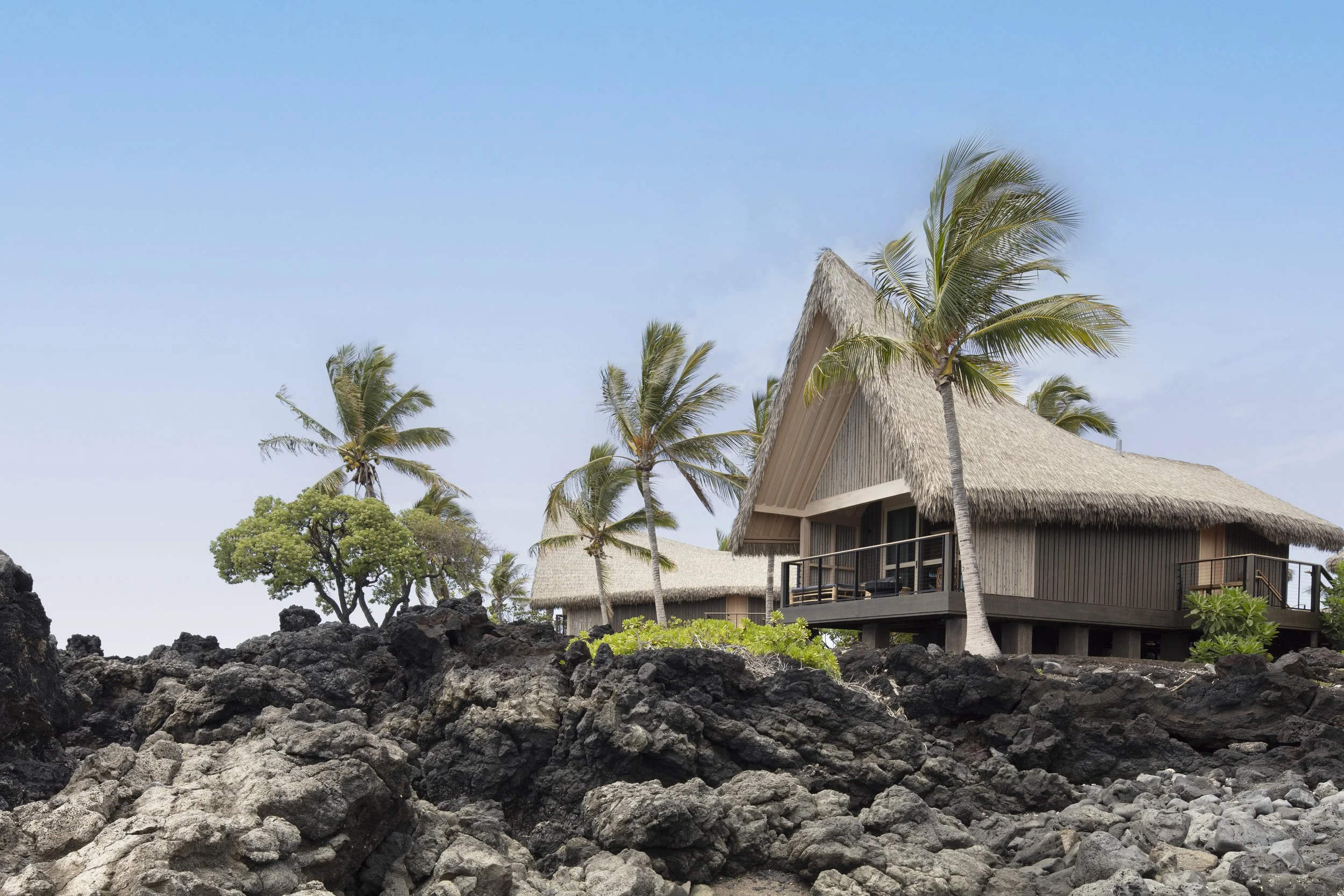
Spread across 83 acres of lava fields, anchialine ponds and shoreline, the site presented both extraordinary beauty and formidable constraints. The porous volcanic ground, high water table, and presence of culturally significant archaeological sites required an approach that could be described by the design team’s mantra: light on the land.
The design preserved lava outcroppings and other natural features, carefully placing buildings around them to minimize disruption of the landscape. Pathways trace the site organically, reinforcing the sense of discovery rather than directing movement rigidly. Every guest hale — nearly 130 buildings total — is its own structure, bringing an intimate feel to the massive resort.
Several original shoreline structures were retained and renovated, their footprints protected through careful coordination with regulatory agencies. Where rebuilding was necessary, finished floor elevations were raised to meet updated FEMA guidelines, adding resilience while preserving location and character.
WATCH: Developer Kennedy Wilson on the restoration of the site.
Luxury Through Privacy, Space and Authenticity
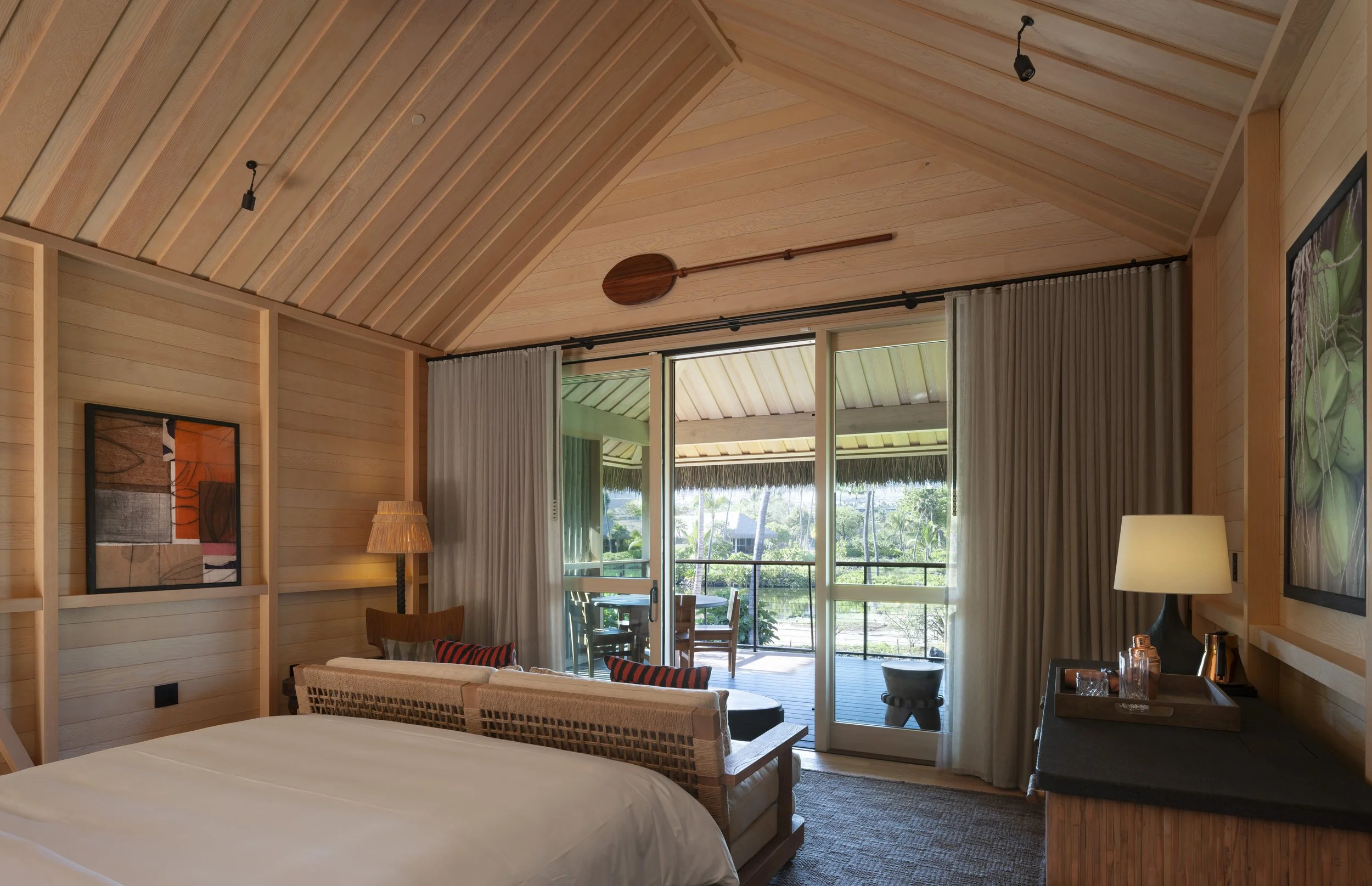
Entry-level guest hales average approximately 900 square feet, each with generous outdoor showers, lanais, and uninterrupted views. Larger suites and multibuilding “presidential” accommodations take the concept further, with separate structures for living, dining, and sleeping connected by open-air walkways.
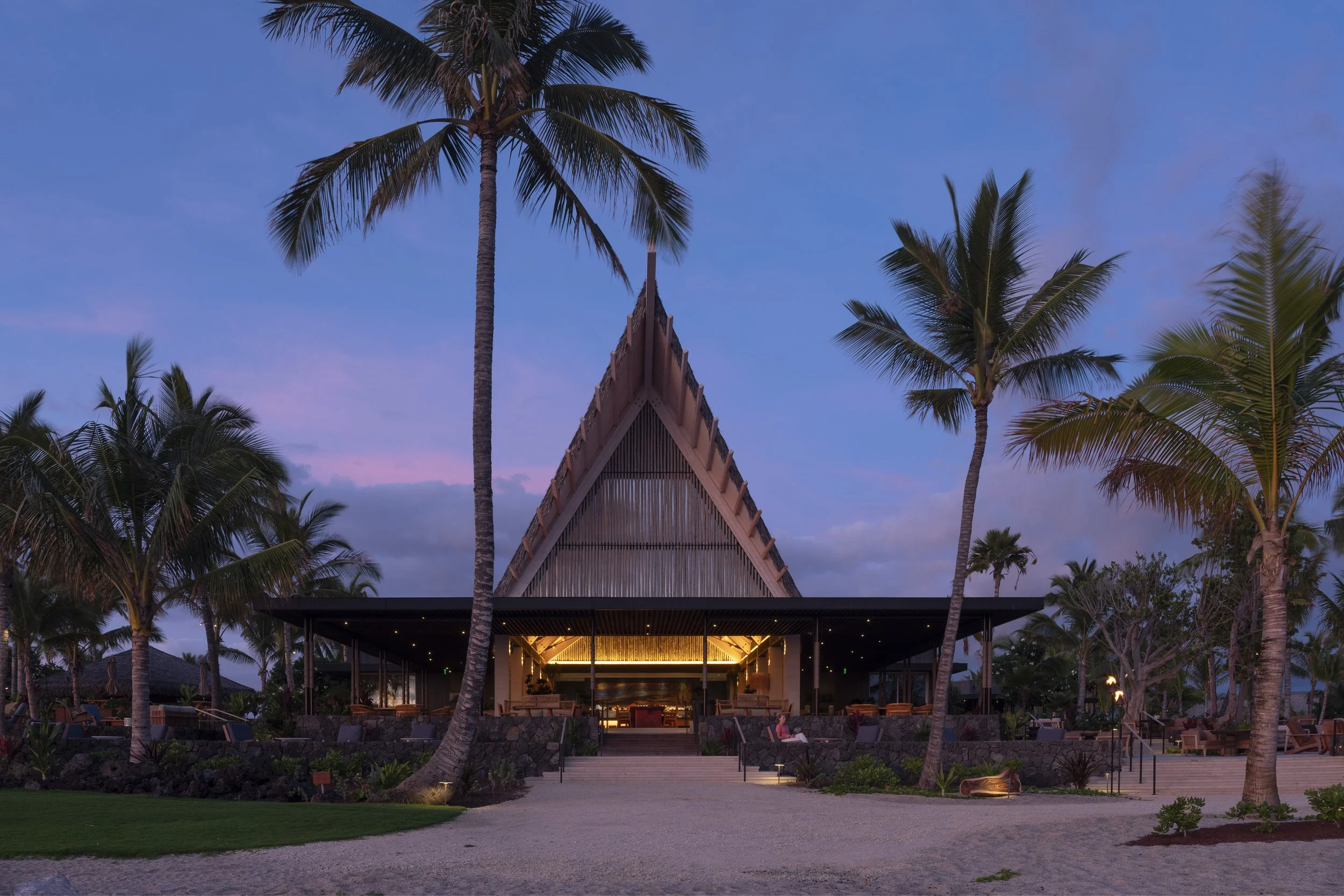
Architectural detailing draws inspiration from traditional Hawaiian construction, including references to singlewall framing and longhouse roof forms. While modern building envelopes ensure durability and performance, these cues preserve the visual language of local vernacular architecture.
In keeping with the resort’s original ethos, hales don’t contain televisions except by request — technology is deemphasized while still meeting the needs of a modern resort. Movement through the property is primarily on foot or by bicycle, with discreet golf cart service offered only when needed.
Sustainable Infrastructure Hidden in Plain Sight
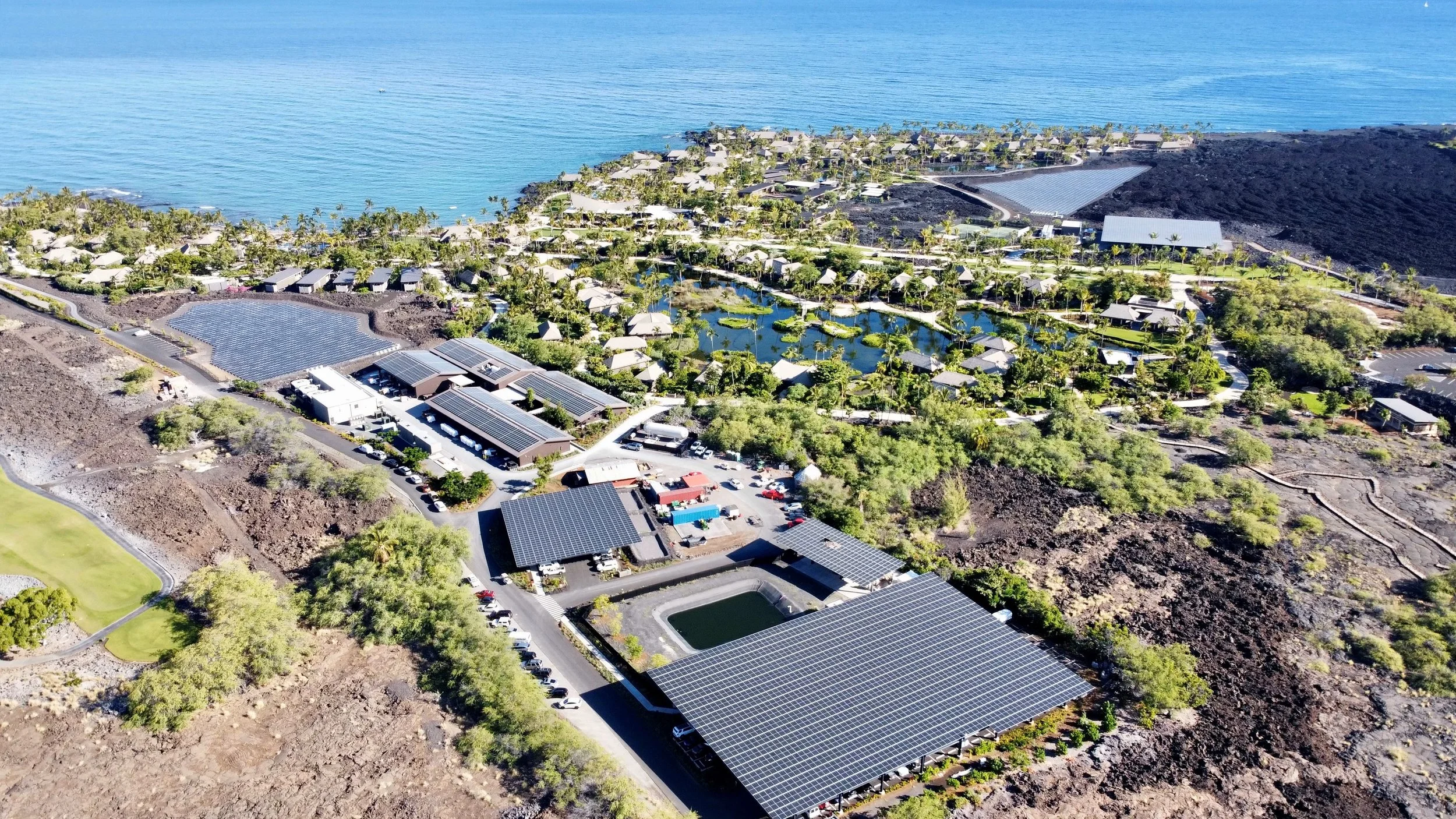
Behind the scenes, Kona Village operates at a level of environmental performance rarely achieved by projects of such complexity. More than 8,000 photovoltaic panels generate more power than the resort consumes. Battery storage systems provide resilience and continuity, critical for an island-based resort.
Four on-site wells feed a reverse osmosis plant that supplies non-potable water for irrigation, while a fully integrated wastewater treatment system produces reclaimed water for irrigation. No potable water is used for landscaping.
Sustainability was carefully considered at every step of the construction process: The team was able to divert demolition materials from the landfill. And it’s ongoing. The resort participates actively in environmental restoration. Coral reef rehabilitation efforts invite guests to engage directly in marine stewardship, while a designated fishing rest area along the shoreline supports the regeneration of local fish populations. Early data already shows a marked increase in marine life, underscoring the impact of long-term protection.
In 2023, Kona Village became the first Hawaiian hotel to receive LEED v4 Gold Certification.
Stewardship of Culture and Community
Sustainability at Kona Village extends beyond systems and metrics. Hawaiian cultural values — particularly respect for the land— shaped the design itself. Shared spaces foster community, from dining venues to gathering areas where repeat guests reconnect year after year.
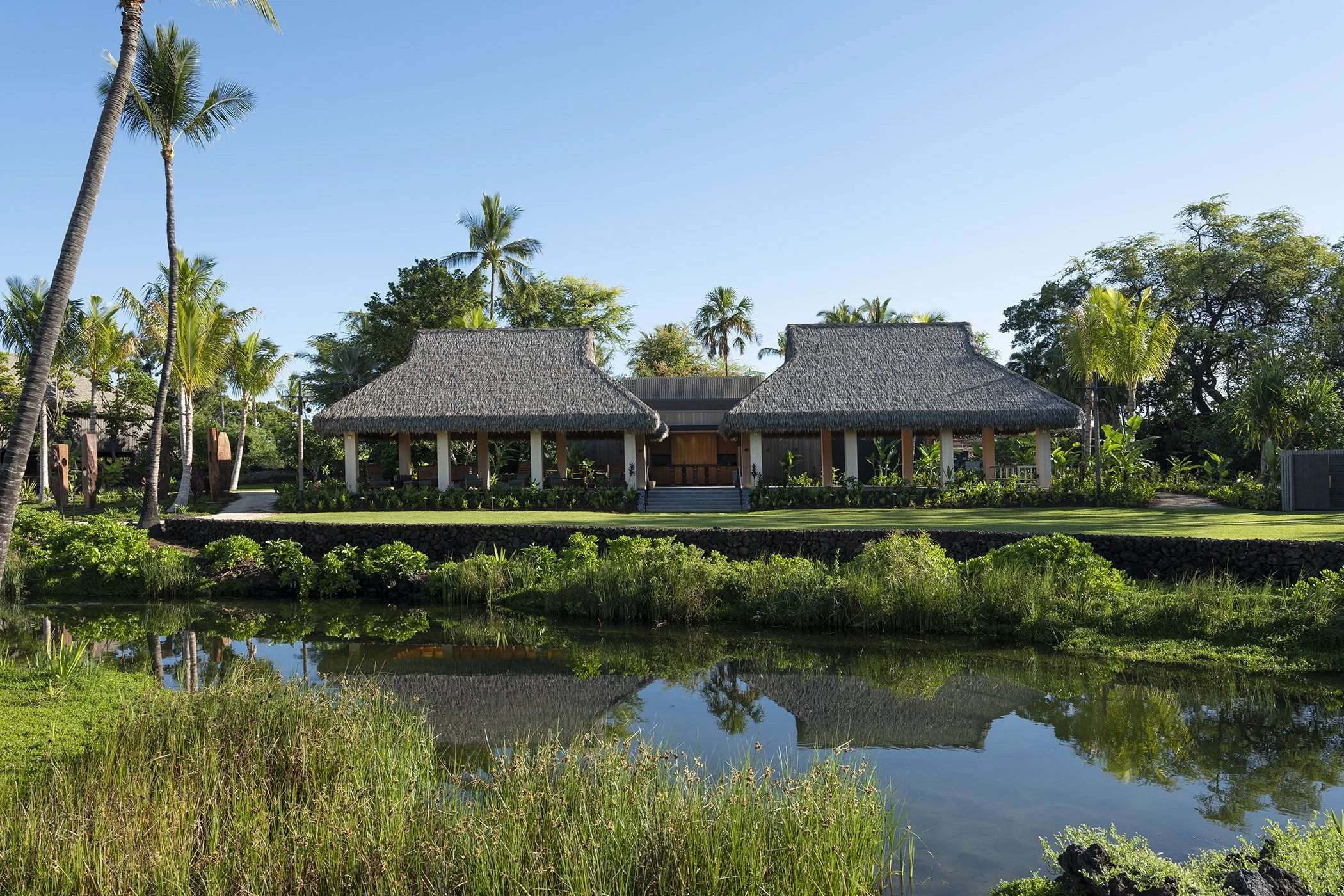
Cultural stewardship is woven through the property. Archaeological sites and petroglyphs are preserved in place, protected by buffer zones and ongoing documentation. Anchialine ponds — rare brackish ecosystems fed by underground freshwater springs — were carefully monitored throughout construction to ensure their continued health.
Design that enhances community
Art and storytelling further reinforce this connection to place. A robust art program features Hawaiian and local artists, many of whom spent time on site before completing their works. Details such as rope lashings around structural elements subtly reference Polynesian voyaging traditions, including the legendary Hōkūleʻa canoe and the navigational knowledge that first brought humans to Hawaii.
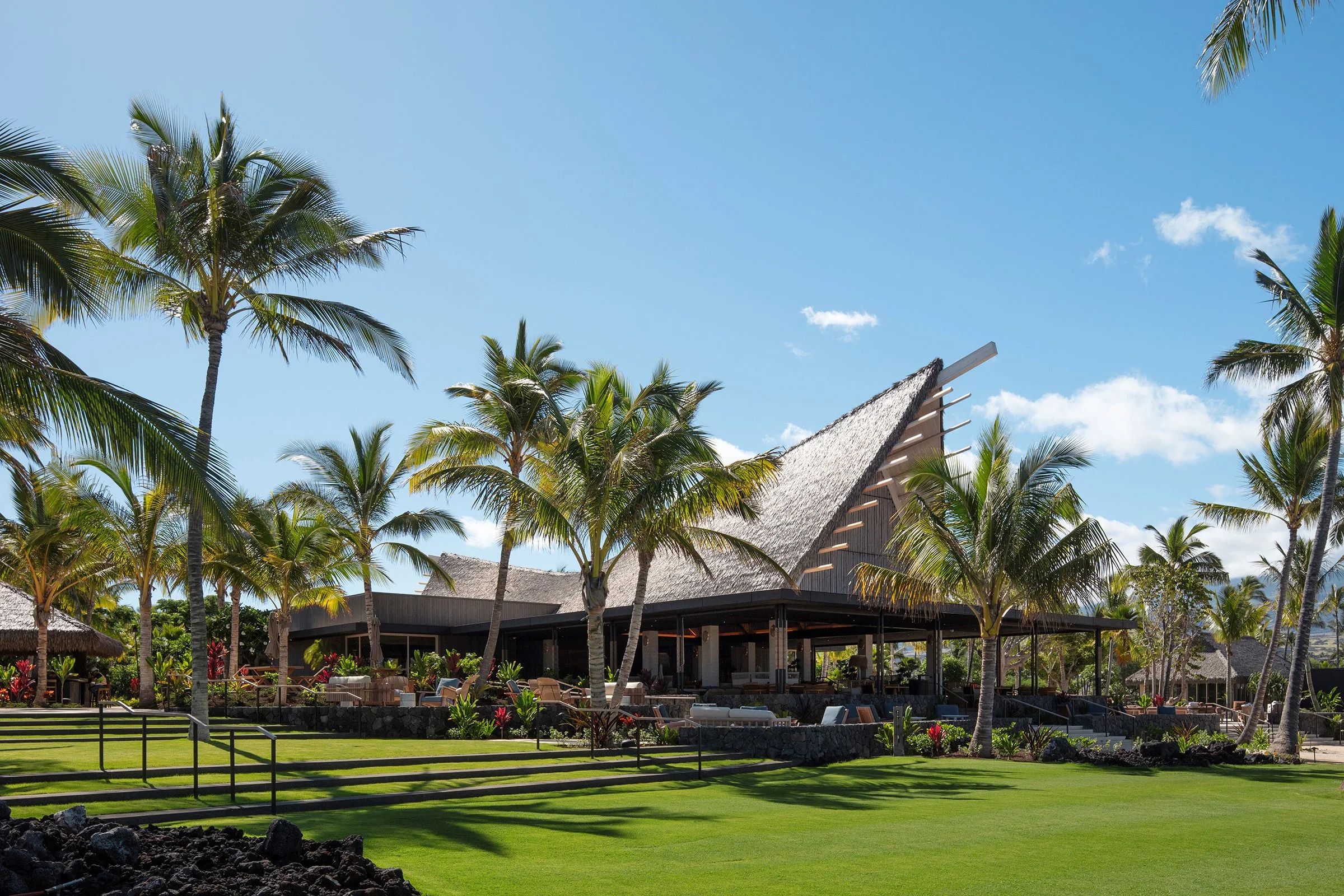
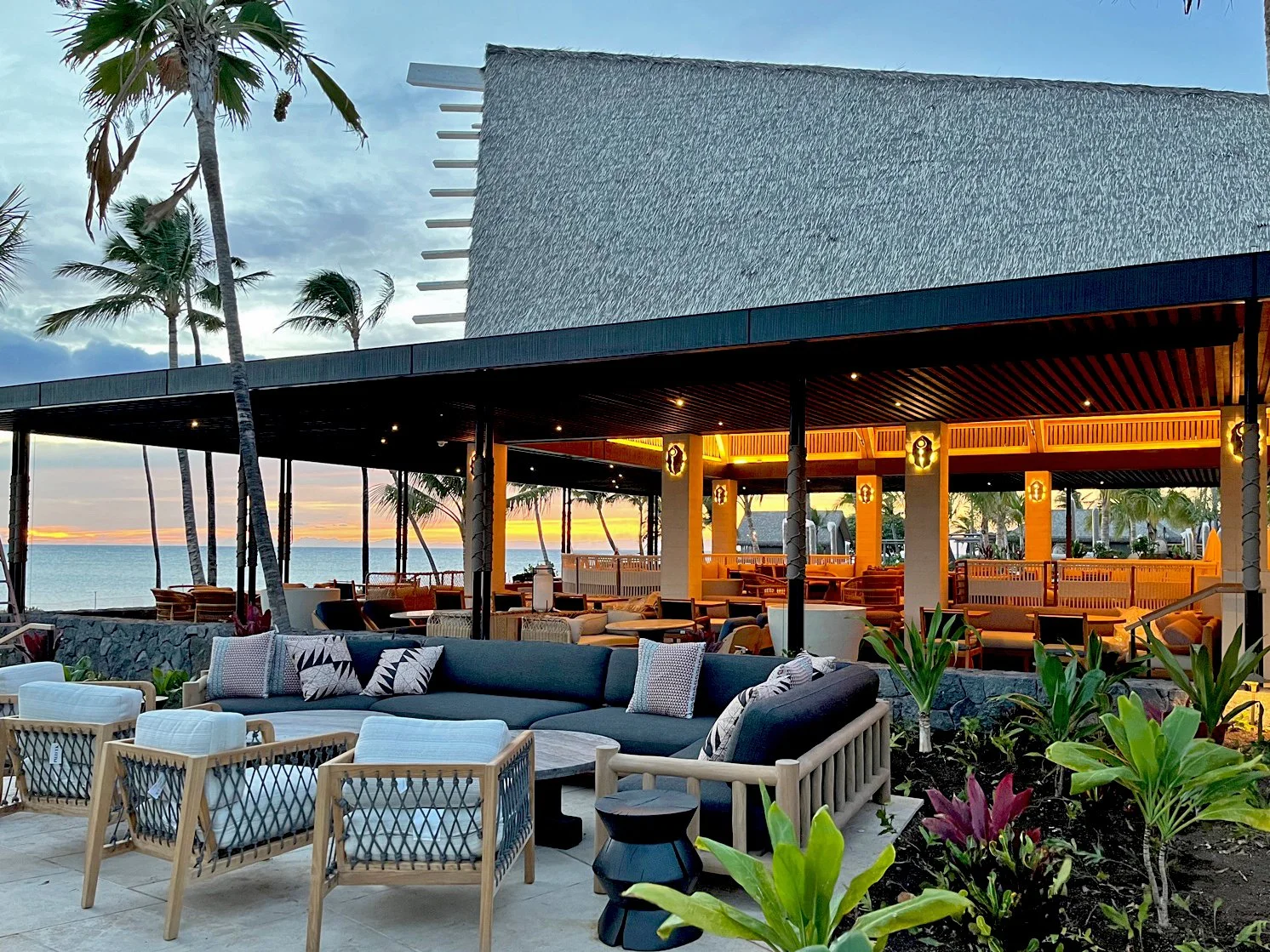
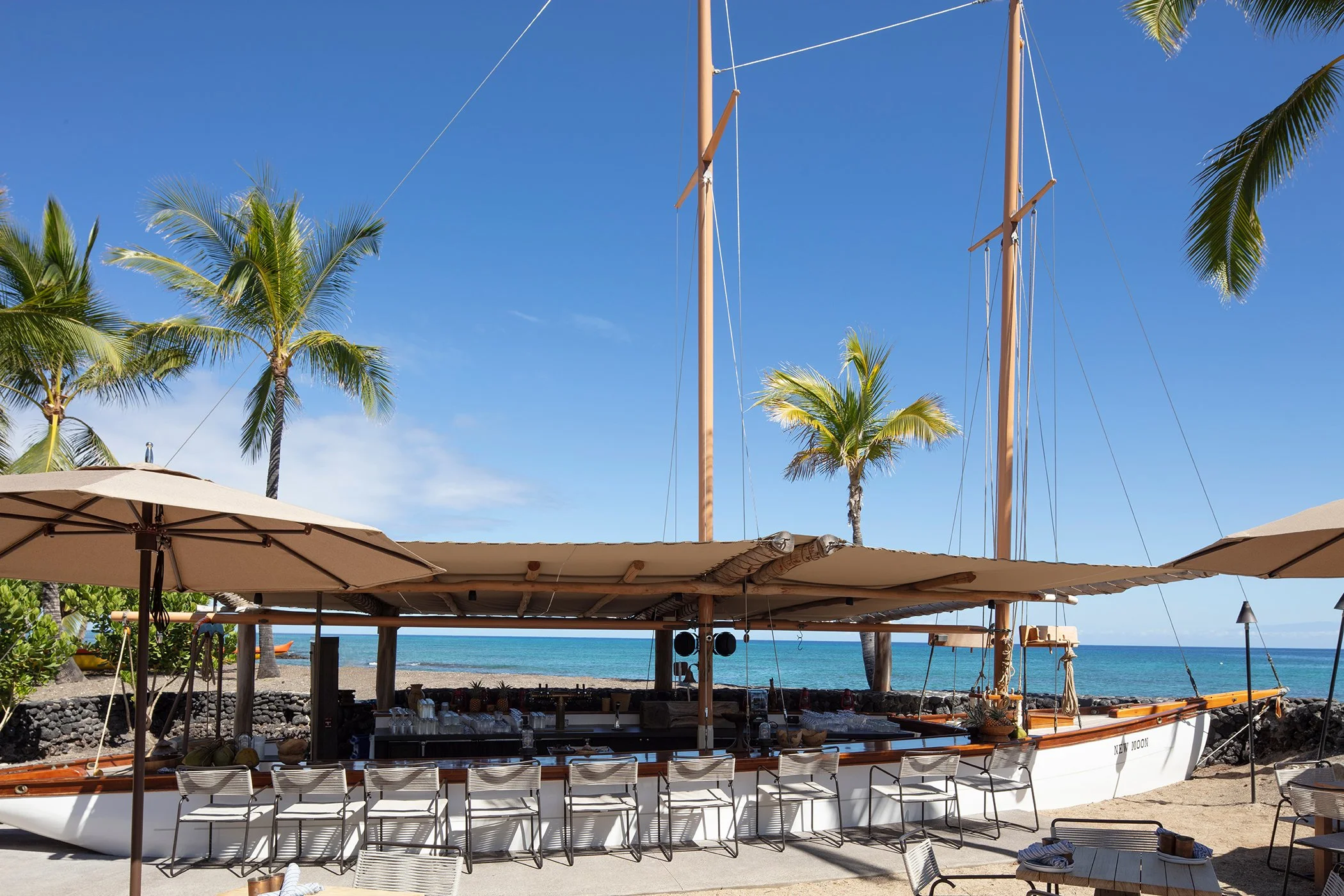
The site and its layout are designed to bring people together. The luxury restaurant, Moana, has no walls or windows, instead opening directly to deck that offers panoramic views of the bay. Another dining spot, Shipwreck Bar, is an actual wrecked ship, repurposed by the original owners then carefully restored by the design team.
A Model for Intentional Hospitality
Set within ancient lava flows and shaped by generations of memory, Kona Village reveals what luxury can become when guided by restraint, care and an enduring sense of place. Its architecture yields to the land, its infrastructure performs quietly beneath the surface, and its guest experience that fosters connection. Solar fields disappear into the lava, water is reused, and centuries-old cultural markers are celebrated. By pairing net-zero performance with freestanding hales, community-centered spaces and design that privileges walkability and openness, the resort bridges past and future.
About the expert
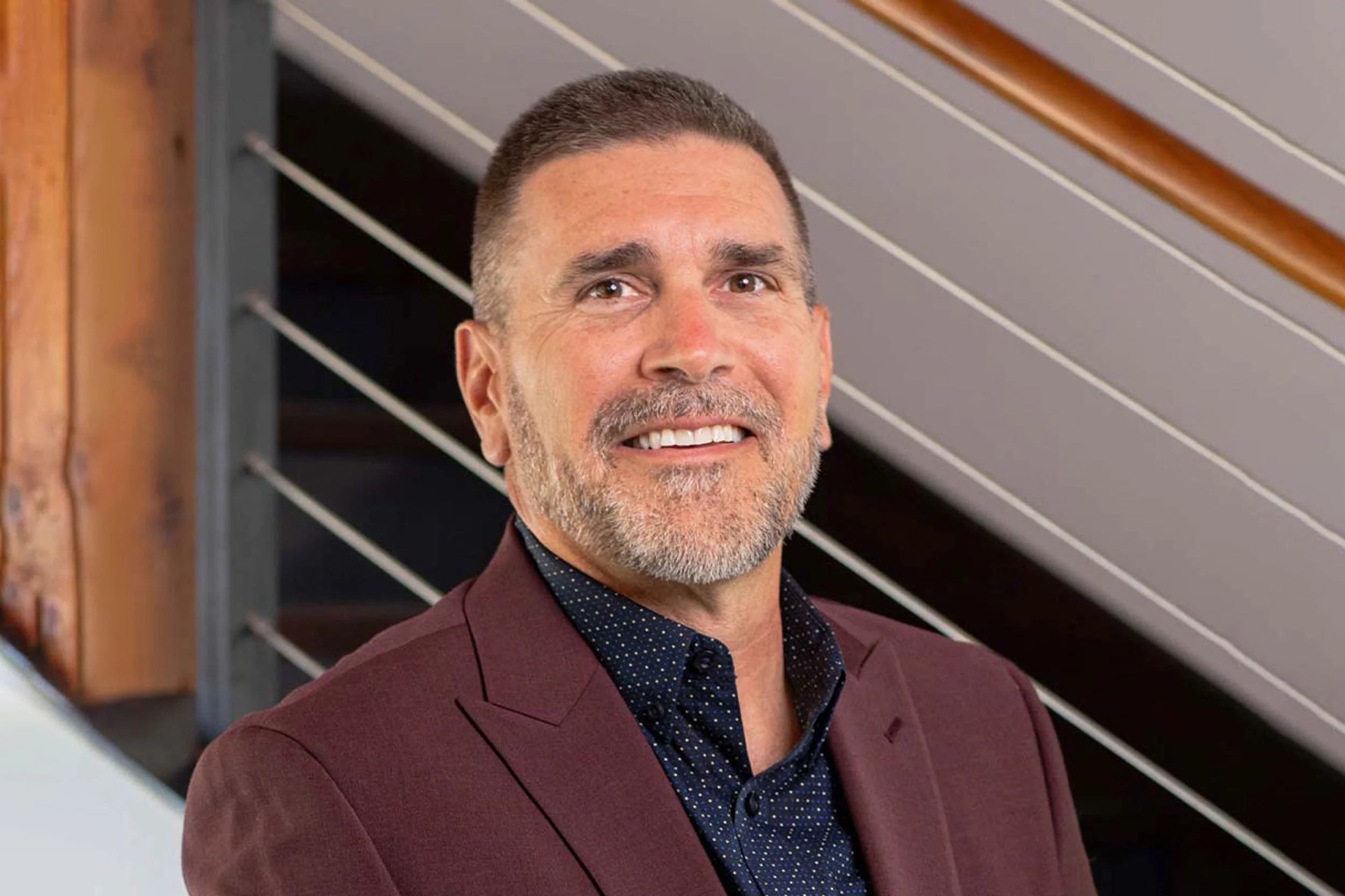
Frank Ternasky, AIA, LEED AP
Vice President, Senior Director
With more than 30 years of experience in design, construction, and project management, Frank Ternasky has led a variety of corporate, hospitality, and life science projects throughout his career. He is nationally recognized for his architectural designs that exemplify sustainable strategies across a broad range of scales and typologies. As Senior Director, Frank oversees Delawie, a LEO A DALY studio.