Nebraska Medicine Biocontainment Unit
Nebraska Medicine Biocontainment Unit
-
Nebraska Medicine
-
4,100 SF
Environmental control system - 15 air changes per hour
Changing booths, pass-through lockers
Autoclave
Decontamination, pass-through shower
Central work station
Video phones and windows for patient comfort
-
Secure entrance and exit
Unidirectional path of air, staff, equipment
Dedicated air-handling system that filters incoming and outgoing air using HEPA and UV light, with patient rooms kept at negative pressure
Specially treated surfaces withstand repeated disinfecting solutions
Air-tight welded and treated seams and drop-down ceilings to protect adjacent non-containment areas
-
Architectural design
Engineering: mechanical, electrical, and structural
Interior design
Omaha, NE
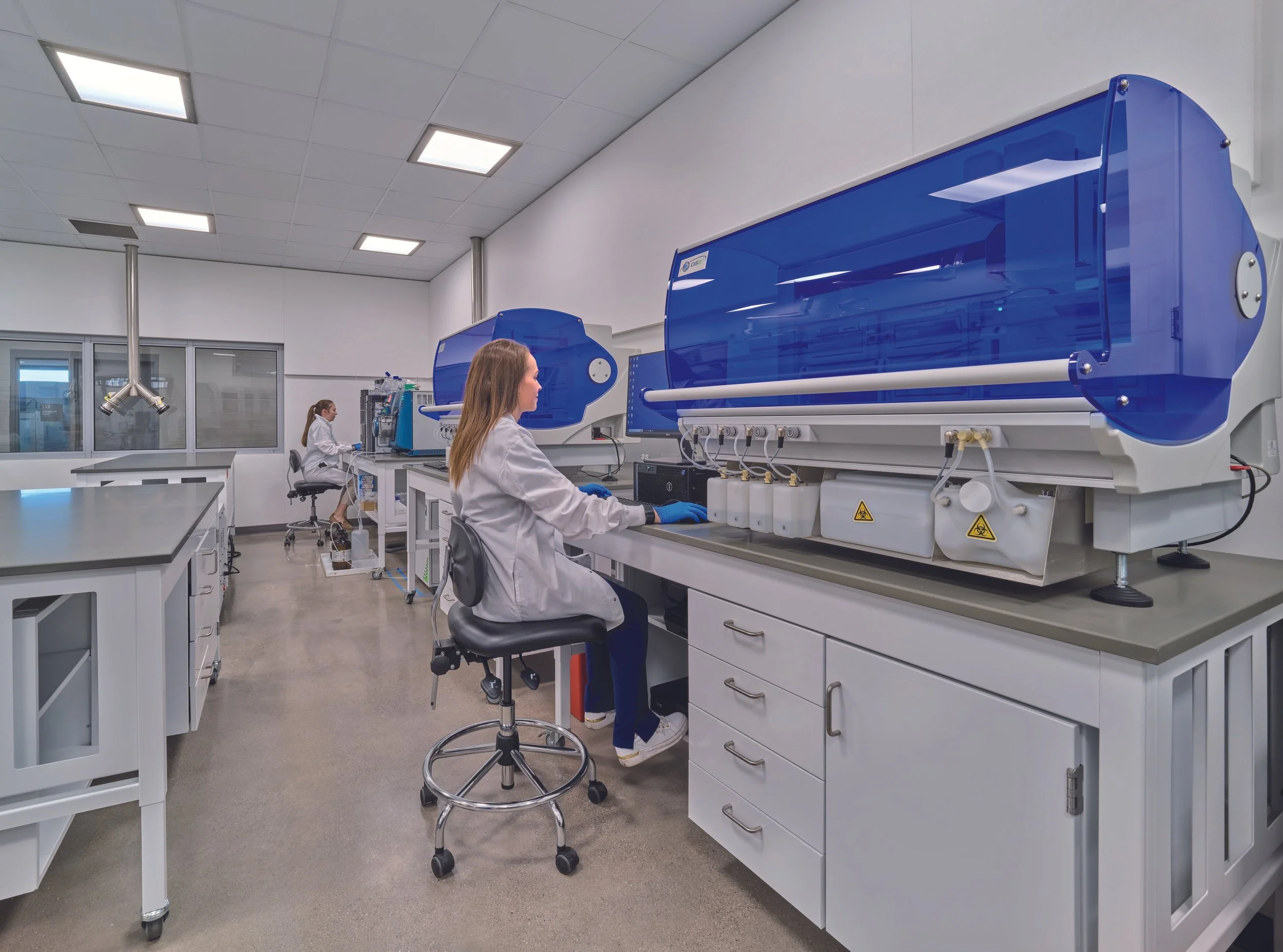
The Nebraska Biocontainment Patient Care Unit is designed to contain some of the world’s most highly infectious diseases and has successfully contained and prevented deadly outbreaks including Ebola in the United States. The unit was the first of its kind and remains the largest in the United States for public patients.
The unit is designed to be environmentally self-contained with dedicated heating, ventilation, and air conditioning channeled via two-supply air handling units, one duty and one standby. They share a common discharge plenum with isolation dampers. Should any component in the air handling unit fail, the second air handling unit defaults as the primary air source. The supply air handling units have 30 percent prefilters and HEPA final filters.
Patient rooms are kept under negative pressure, meaning that no air escapes the patient room except through its dedicated exhaust. They are sized for 15 air changes per hour. Each patient room has a pressure monitor located between the wall of the patient room and the corridor. Should the negative pressure set point of the room be exceeded, an alarm will notify the staff.
Each patient room has a clean-to-dirty airflow, which protects the breathing zone of patient caregivers. Air enters the unit high and exits low, about six inches from the finished floor at the head of the patient bed. All exhaust air is passed through ultraviolet irradiation lights, and is HEPA filtered. Two centrifugal utility exhaust fans are mounted on the roof and operate simultaneously. Should one fan fail, the remaining fan is sized to accommodate 100 percent of the exhaust air requirements for the BPCU, ensuring the patient room stays under negative pressure at all times.