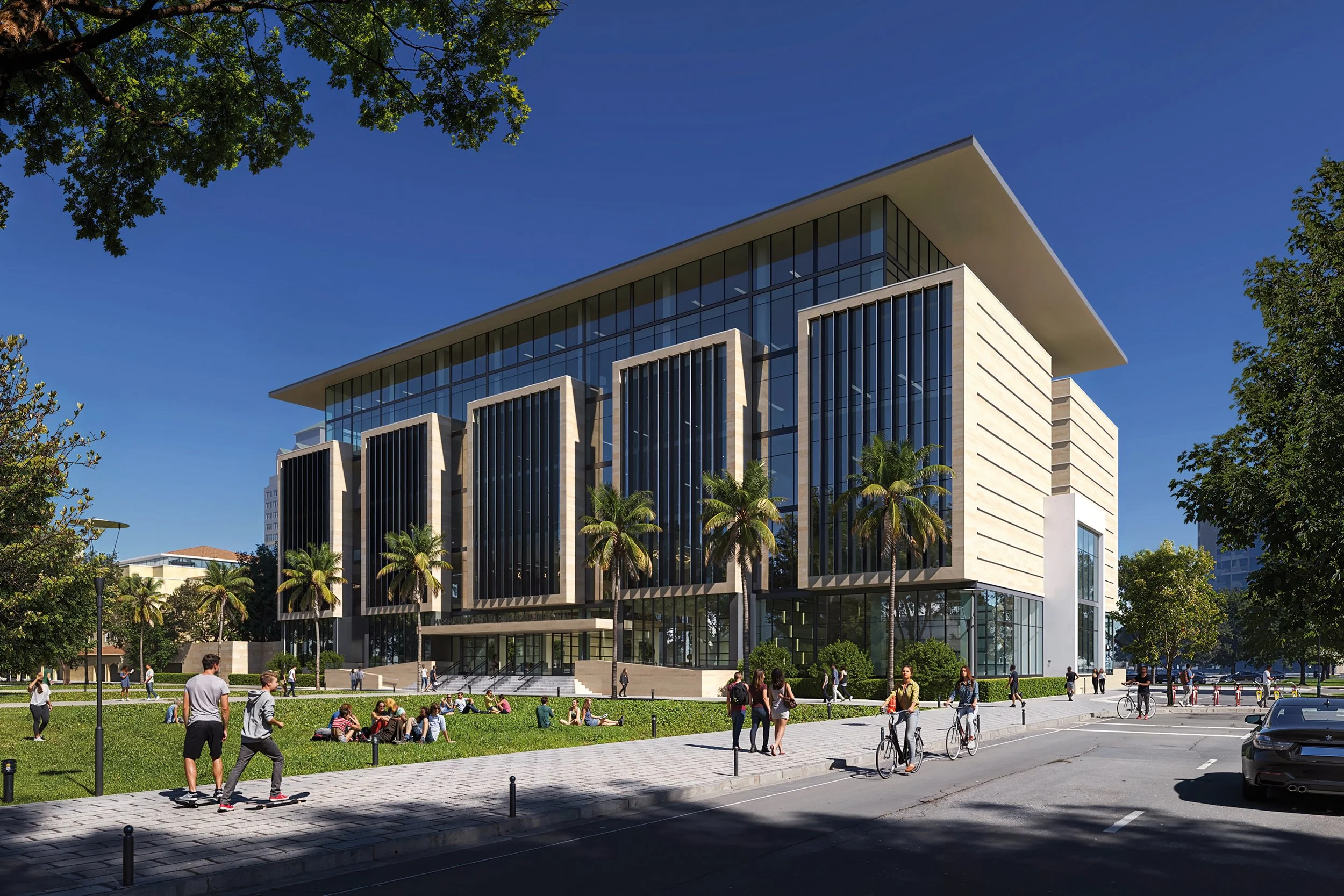
Nebraska Engineering Robotics Research Lab
Nebraska Engineering Robotics Research Lab
-
Lincoln, NE
-
University of Nebraska-Lincoln
-
7,000 SF adaptive reuse project
-
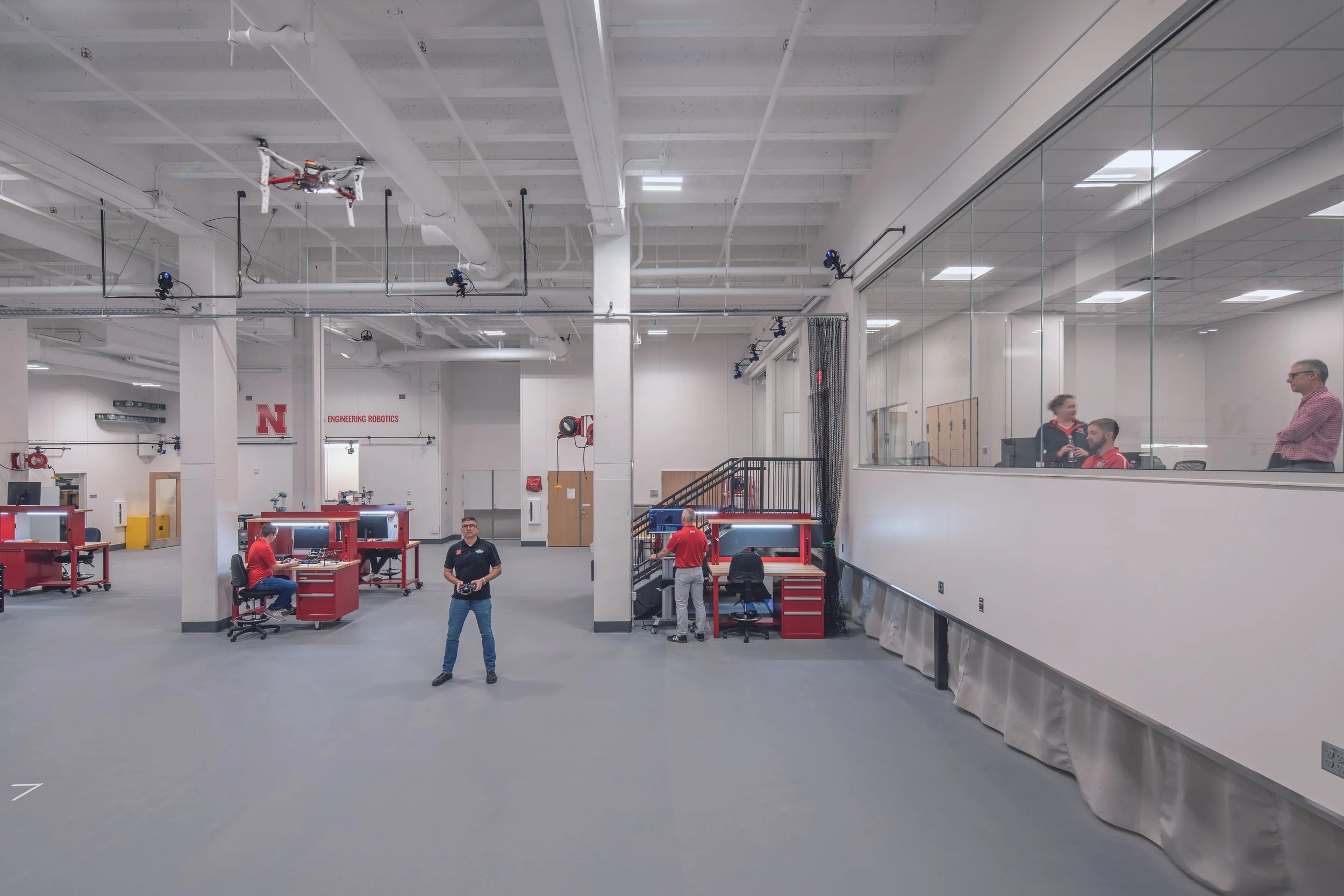
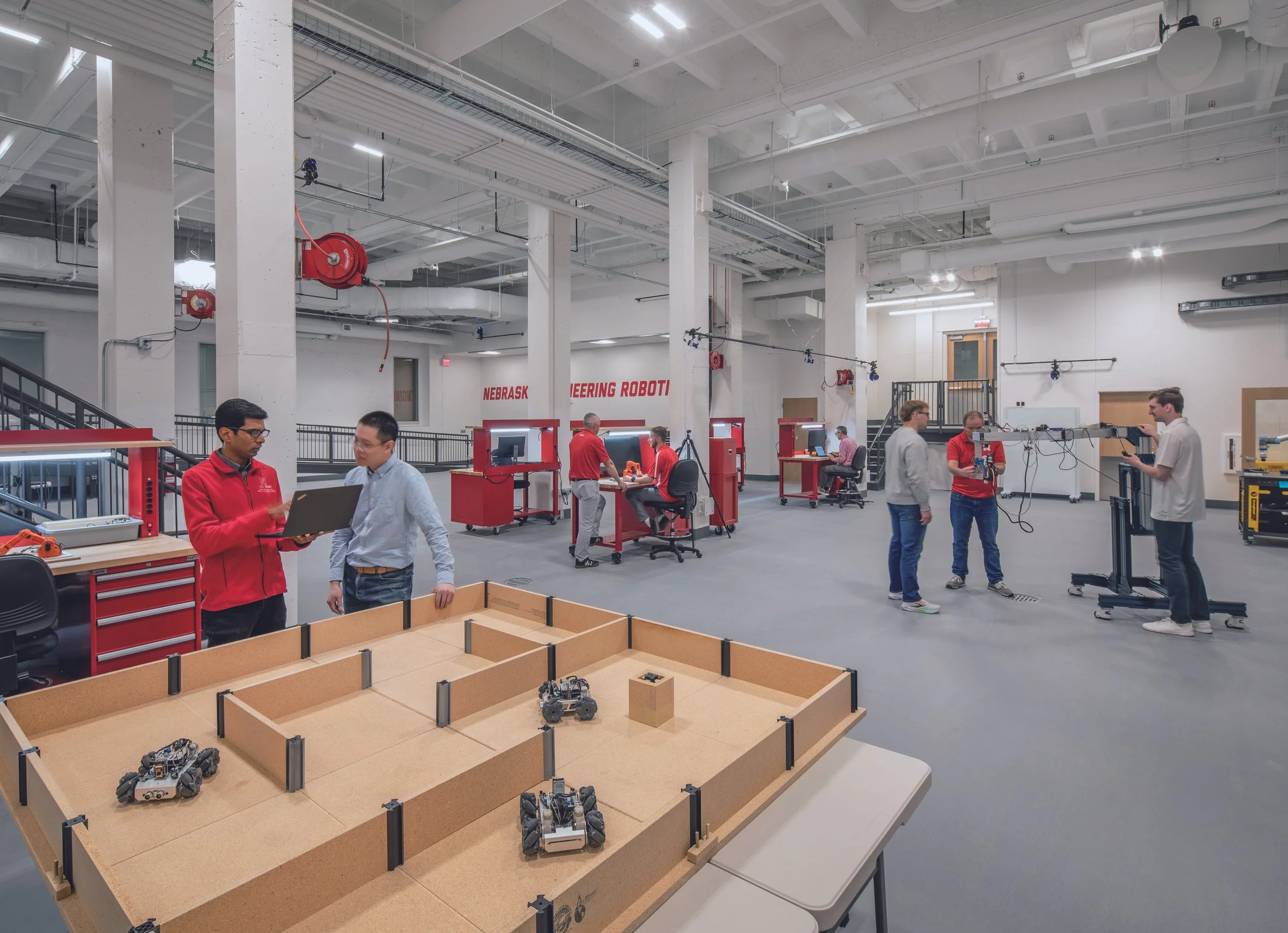
Indoor drone and mobile robotics testing space
Robotics research and development areas
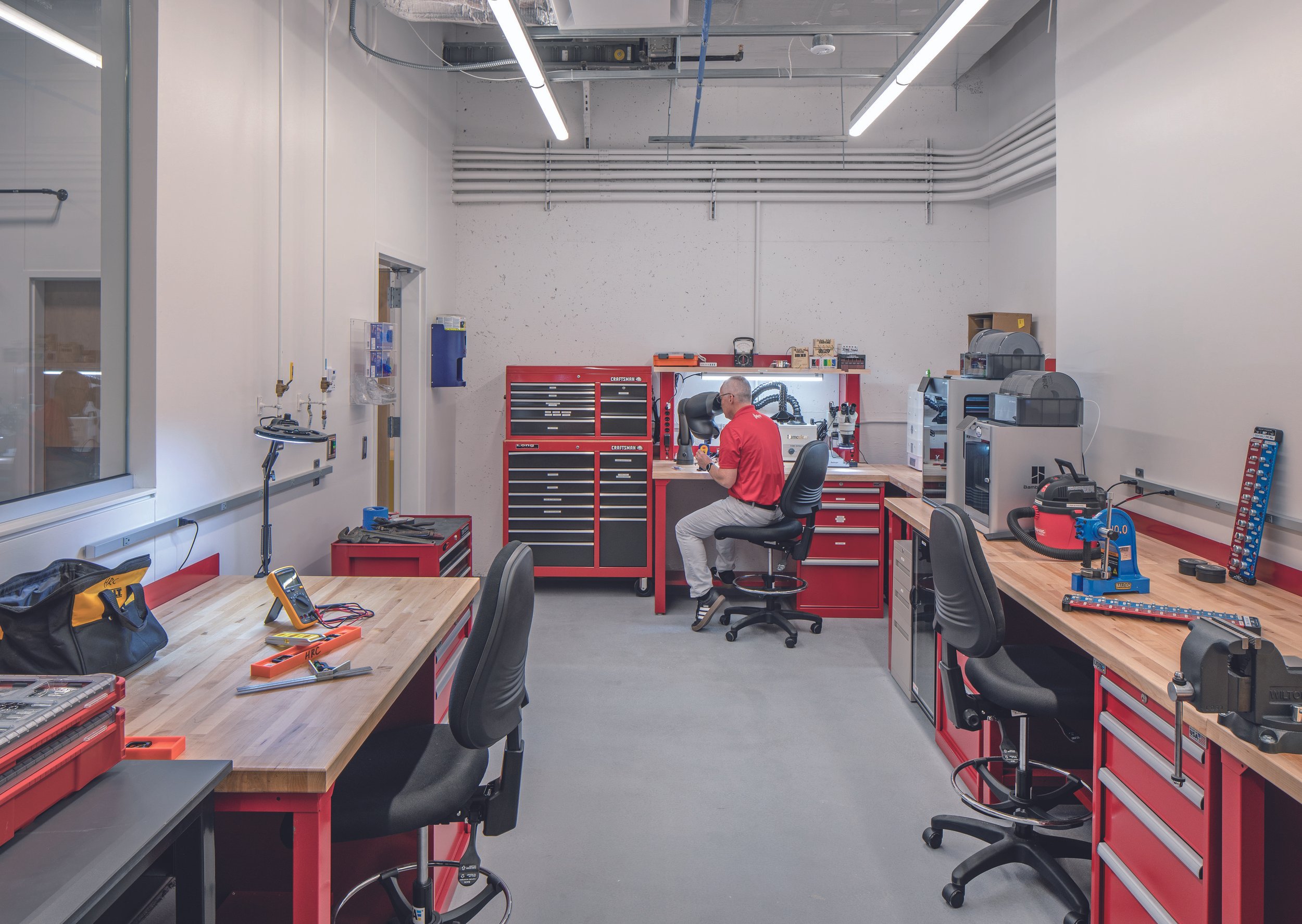
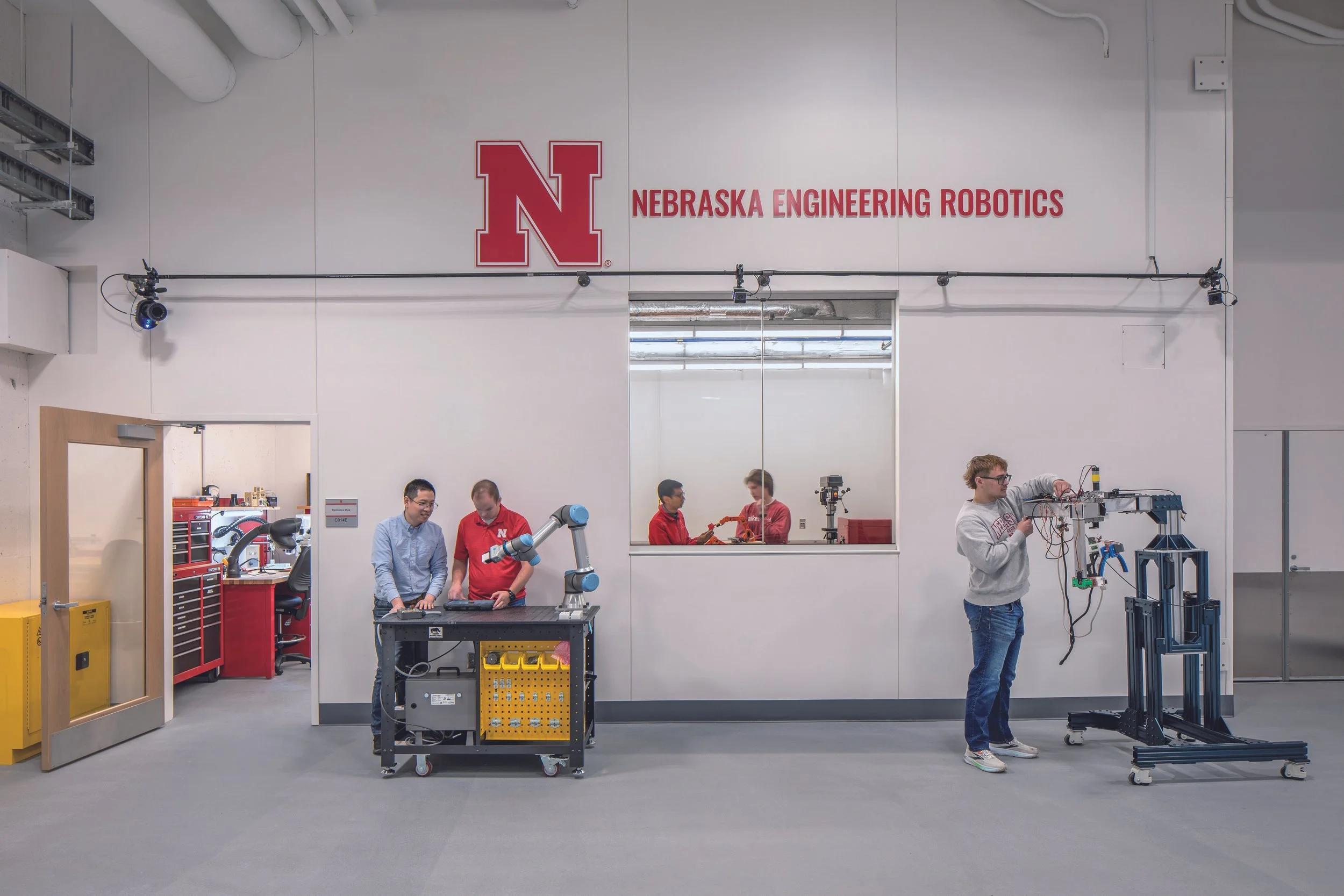
Electronics and fabrication workspace
-
Planning
Programming
Architecture
Engineering (Mechanical, Electrical, Structural, Fire Protection)
Interior Design
Construction Administration
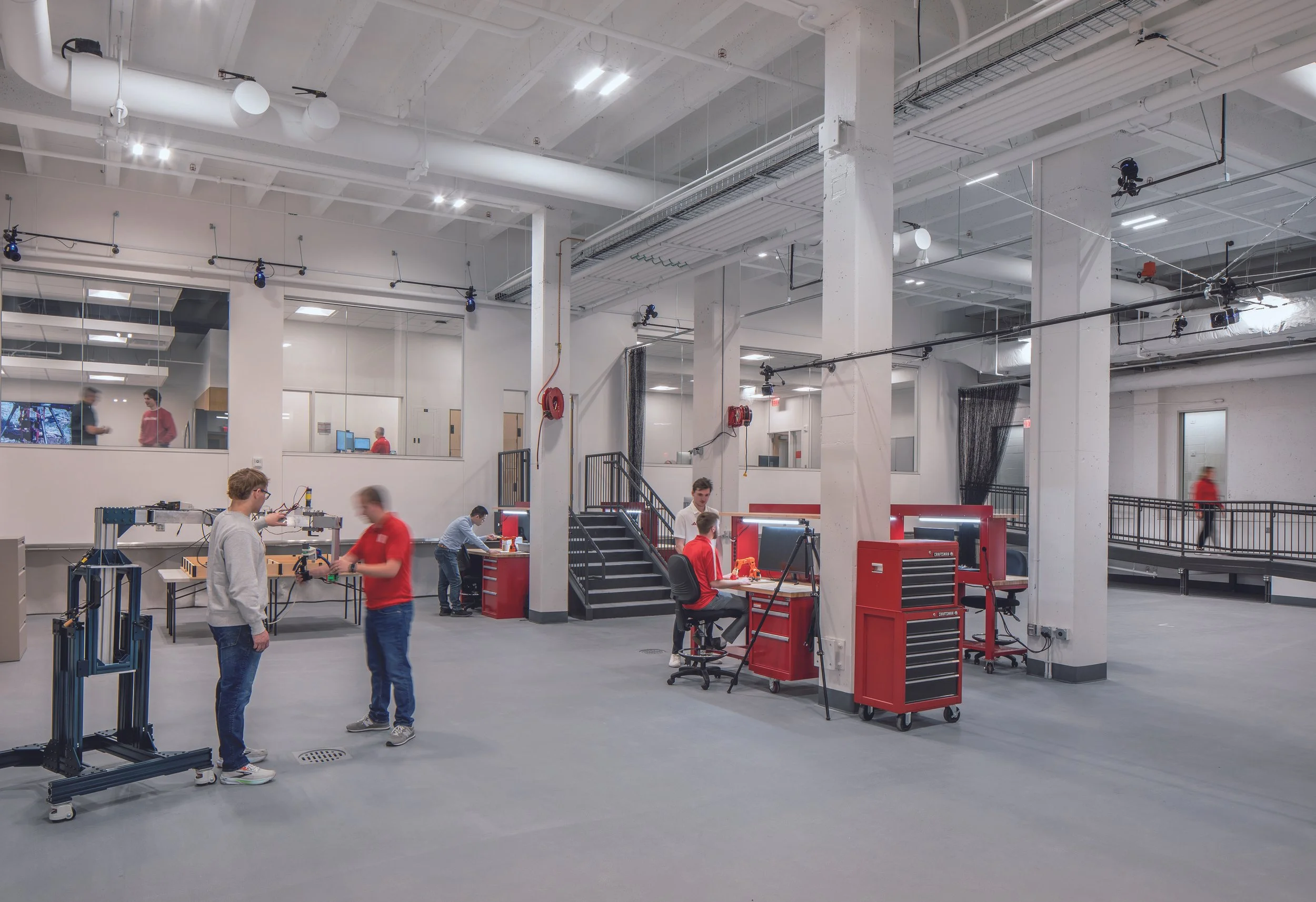
LEO A DALY partnered with the University of Nebraska–Lincoln College of Engineering to transform approximately 7,000 SF of former mechanical and air handling space in the basement of the Scott Engineering Center into an innovative robotics and drone research space.
The robotics lab supports the university’s expanding robotics initiatives, including advanced drone testing, mobile robotics research, and the university’s first robotics engineering undergraduate degree. The project also serves as a cornerstone of the Heartland Robotics Cluster initiative, supported through a $25 million Build Back Better Regional Challenge grant focused on strengthening automation, manufacturing innovation, and agriculture technology across Nebraska.
The transformed space provides:
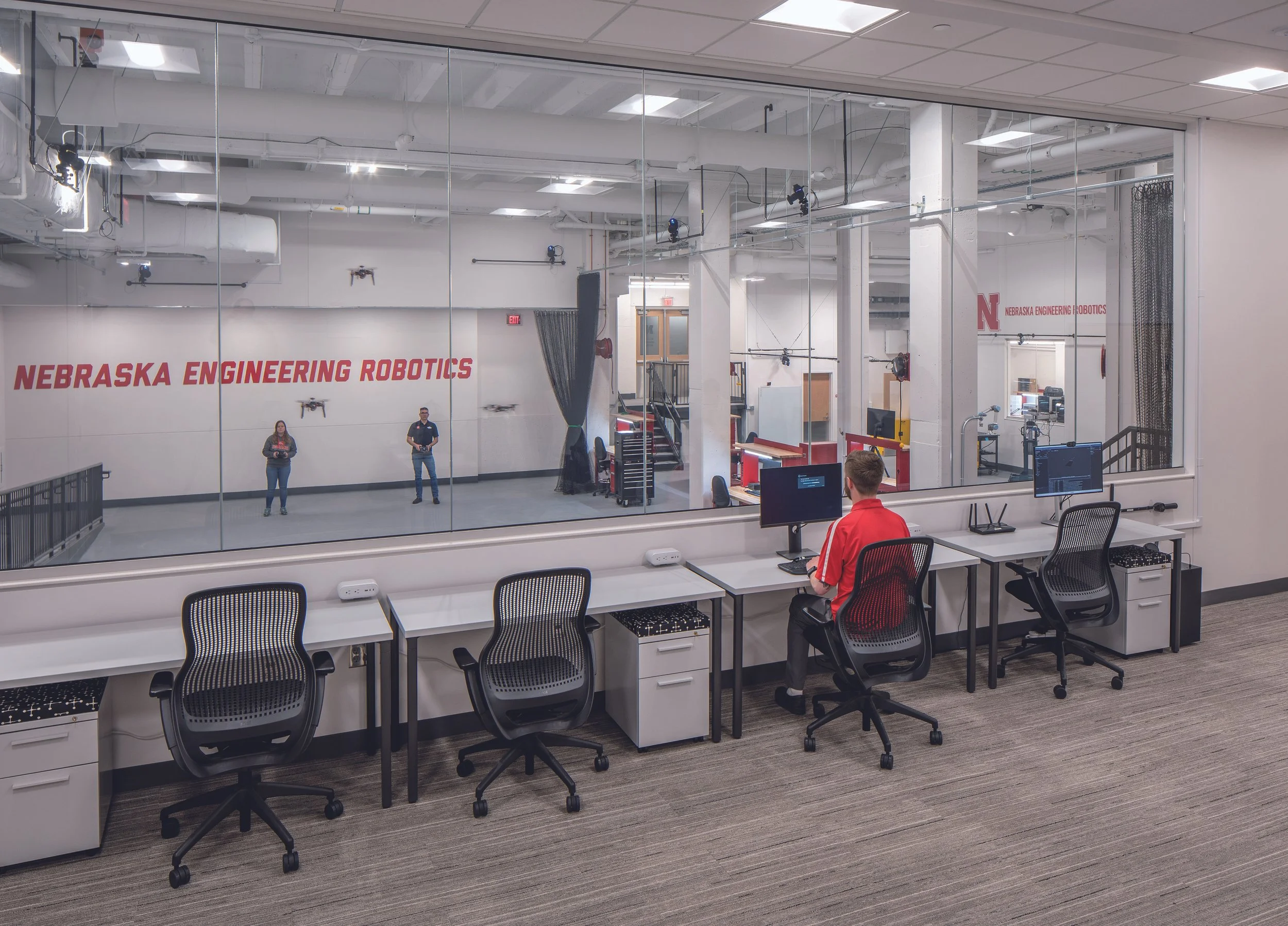
Indoor drone and mobile robotics testing space
Robotics research and development areas
Electronics and fabrication workspace
Tool, battery, and equipment storage
Researcher offices and collaboration areas
A conference room with direct visual access into the lab
Infrastructure to support evolving robotics technologies and future flexibility
Impact & Outcomes
The lab establishes a new platform for robotics innovation, workforce development, and interdisciplinary collaboration within the region, supporting:
The university’s first robotics engineering undergraduate curriculum
Research in drones, automation, and autonomous systems
Manufacturing and agricultural technology innovation
Industry collaboration opportunities
Workforce development for emerging robotics careers
The broader Heartland Robotics Cluster initiative
By repurposing an underutilized mechanical space into a high-performance research environment, the project demonstrates how thoughtful planning, technical coordination, and adaptive design can unlock new value within an existing campus infrastructure.