
Optimizing building operations with commissioning
Five Questions with LEO A DALY Commissioning Practice Lead Denise Allacher
Recent Perspectives


When is the best time to solve a problem? Before it’s a problem.
Enter the commissioning process, where testing a building’s systems can resolve potential issues before a building is occupied, saving owners time and money down the line. A robust commissioning process can play a critical role in how well a building performs from day one and over its entire lifespan.
In this interview, LEO A DALY Commissioning Practice Lead Denise Allacher breaks down how commissioning ensures a building’s systems operate correctly, meets owners’ needs and maximizes energy efficiency.
1. What are the kinds of building commissioning?
The most common is building systems commissioning, where experts known as commissioning agents review systems such as HVAC, lighting and domestic hot water for operability and maintainability during the design process. They also make suggestions on control sequences for energy efficiency and ensure design documents have all the information the contractor needs to be able to program all system’s operation. Then during the construction and testing process commissioning agents perform a final checkup for a building before it’s officially ready to use, testing a building’s systems and ensuring everything is working as it should.
Another type is retro-commissioning, which addresses system and performance operation issues in an existing building. We find it’s a good way to identify potential energy savings. This process kind of works backward from commissioning a new building. We model what your energy use should be, then we compare that to recent energy bills. If an owner is using significantly more energy than we think they should, then we go in and find out why. Has something broken or gotten locked? Is a system being used differently than intended? We also recommend preventative maintenance that will save money down the line or limit future system failures.
We also do enclosure commissioning, where our agents verify the performance of all six sides of the building. Walls, roofs, windows and waterproofing are one of the highest-risk and failure-prone systems in the building. Small design or installation gaps can lead to major long-term issues if not caught early. Enclosure commissioning gives you peace of mind that the building won’t leak during the first major storm and will be energy efficient and durable.
2. What do commissioning agents actually do?
During design, for example, they might notice an air filter is located behind a ceiling and to maintain it the entire ceiling would have to be removed. So in that example they might recommend to move the equipment or change the ceiling type to make ongoing facilities work easier.
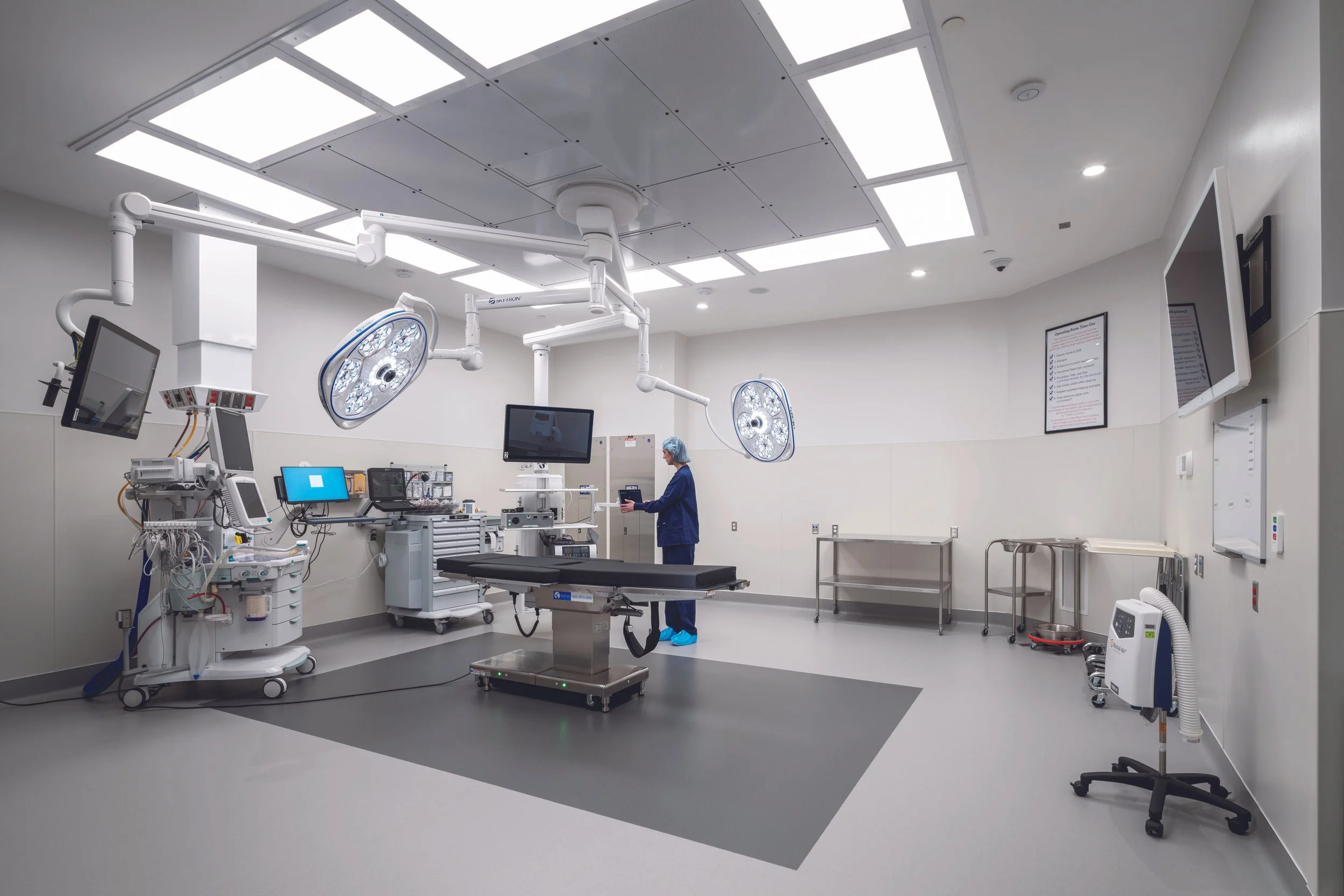
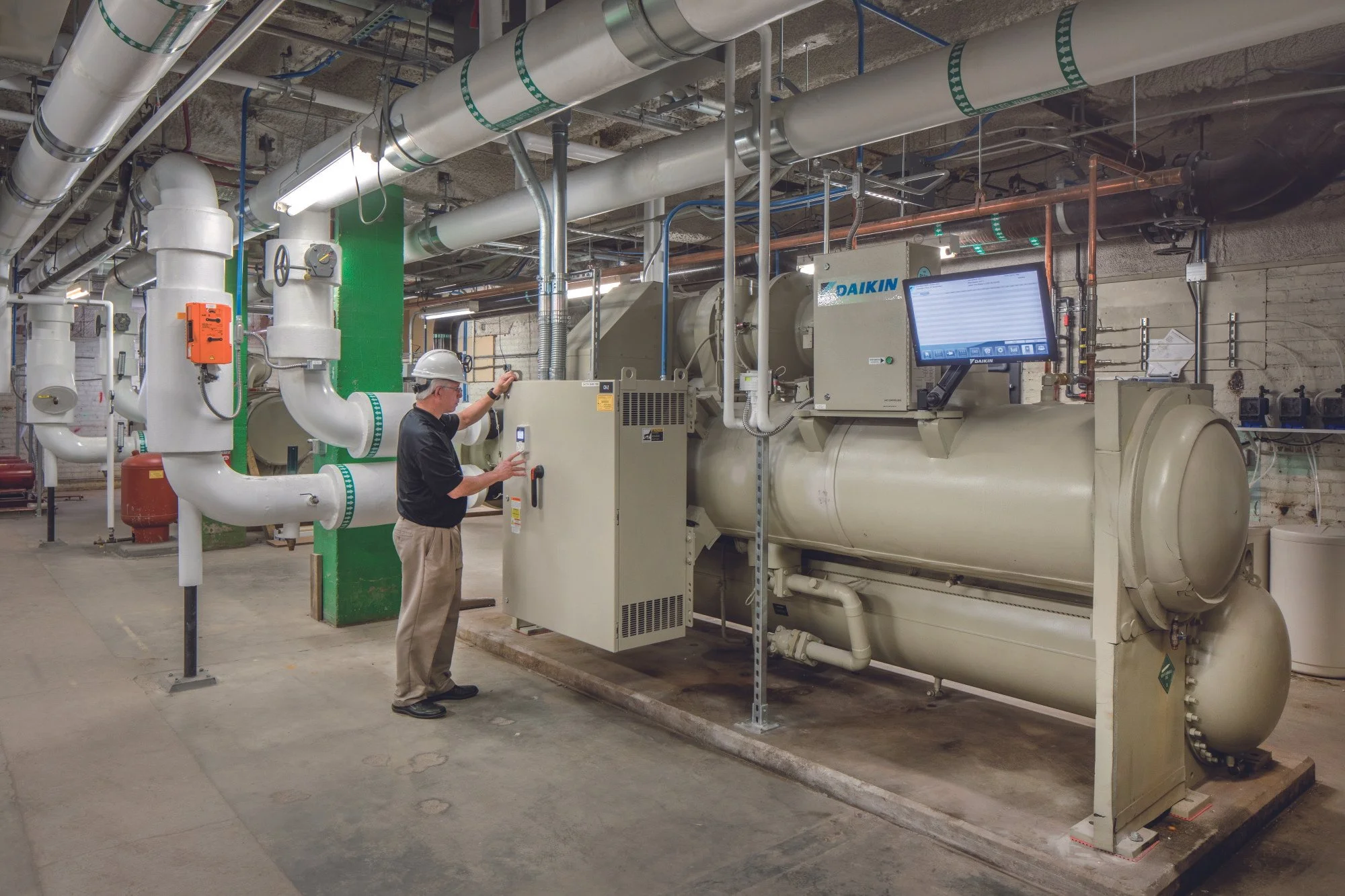
Then at the end of construction agents work with the contractor to carefully test all a building’s systems — like heating, cooling, lighting and plumbing — to make sure everything works as it should, according to the design and the owner’s needs. The goal is to identify and repair problems early, so when occupants arrive, the systems run smoothly without unwelcome surprises.
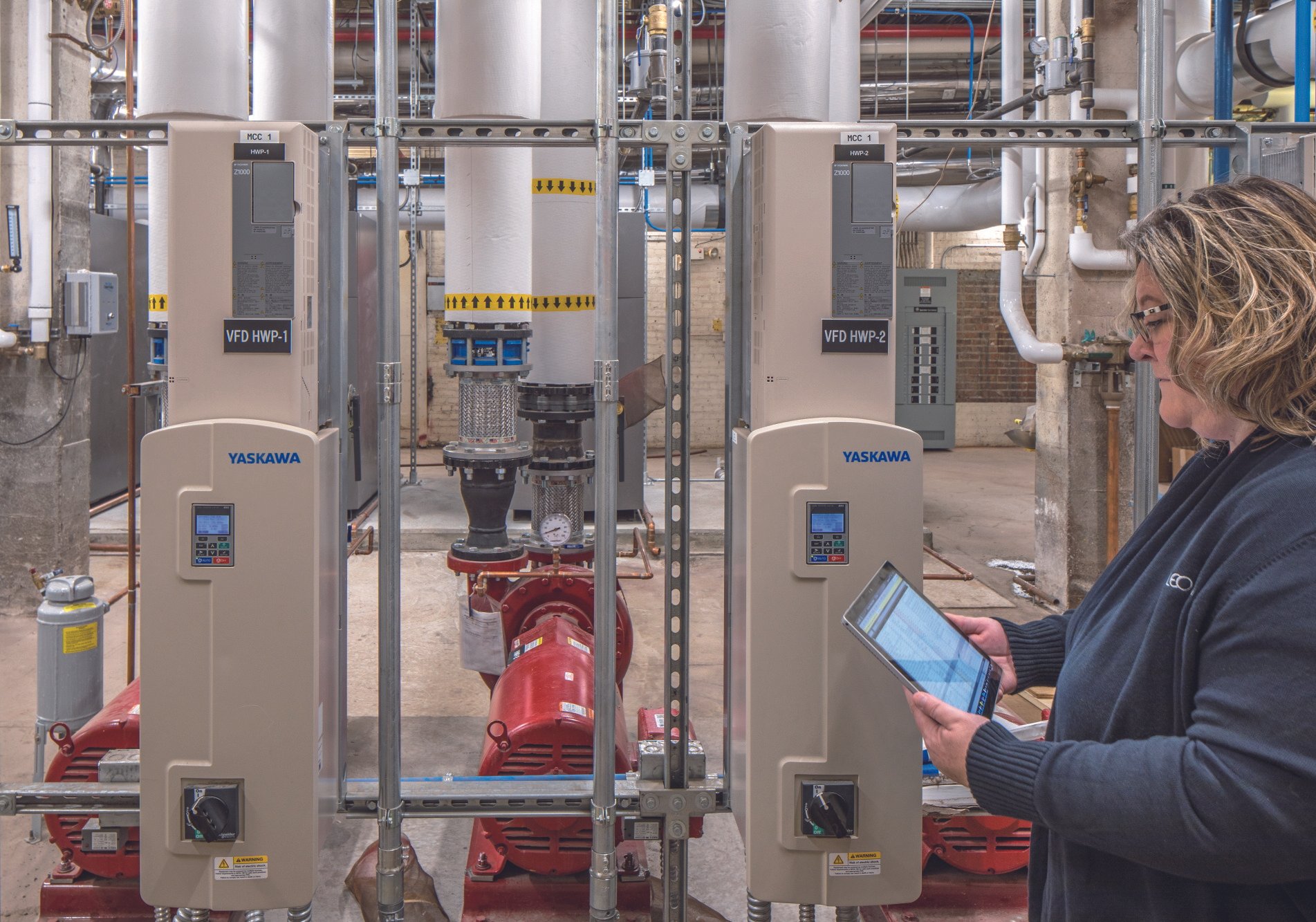
Our commissioning agents physically walk through the project, ideally with a representative of the owner in addition to the contractor. It’s thorough — we look at all equipment in a building’s systems, looking at everything from making sure all the valves open to ensuring the air conditioning is set to the owner’s desired temperature. We also test the systems in all modes of operation, for example, if power goes out, if a fire alarm is going, typical operations during change of seasons, and so on.
We ask a lot of questions and think like an owner. Can this system be maintained? What is this automation system graphic showing and is the system working as intended? This helps us ensure facilities staff will be able to maintain equipment as intended.
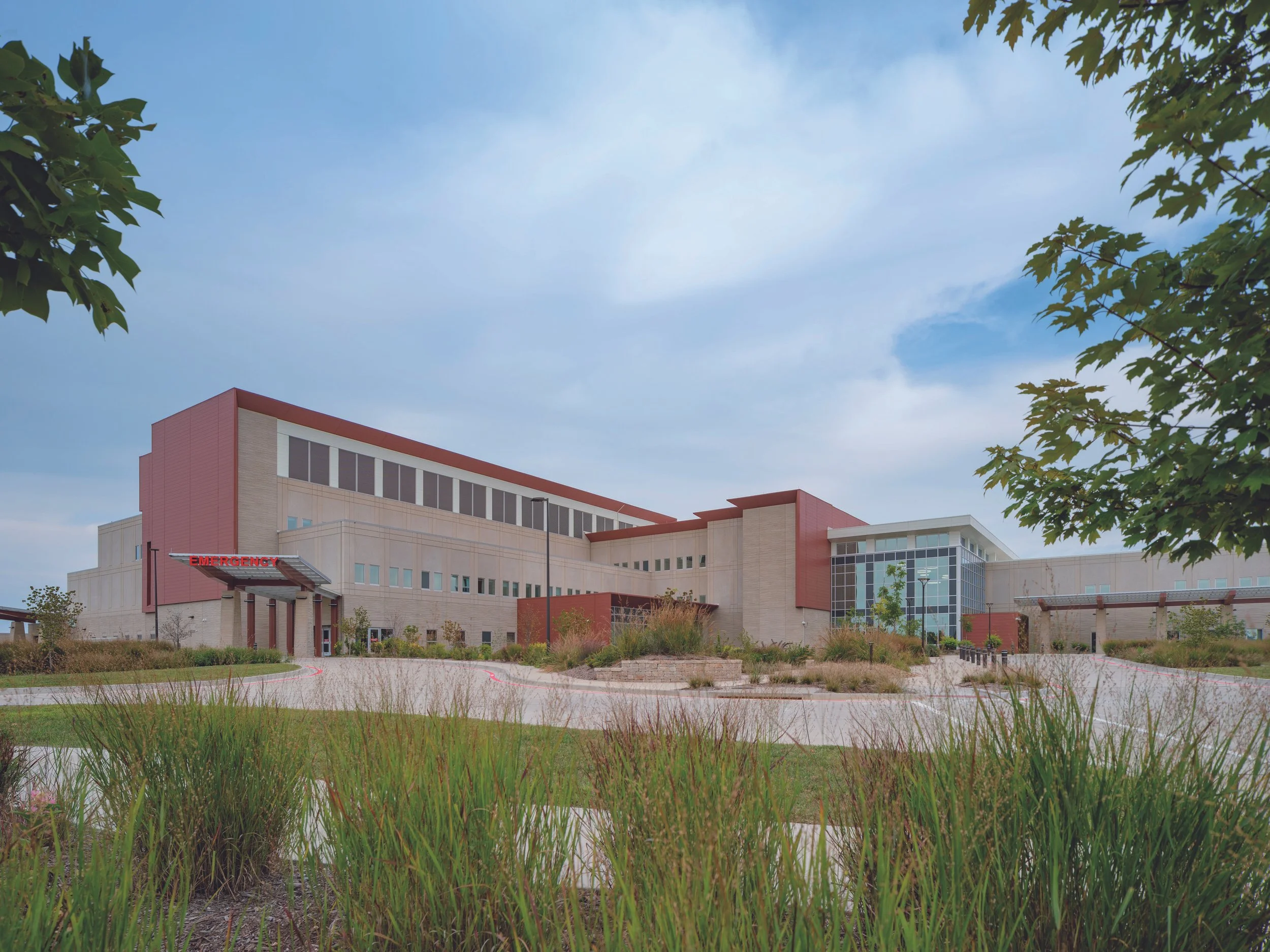
LEO A DALY provided commissioning and peer review services for the General Leonard Wood Community Hospital, opened in April 2026. LEO A DALY assisted the owner in performing 1,170 tests and identifying 1,544 issues.
3. What are the benefits of commissioning?
Commissioning is low cost and high ROI — in fact, it typically pays for itself in 1.7 years. One study found a 16% median whole-building energy savings in existing buildings and 13% in new construction.
In short, commissioning helps owners reduce risk, lower costs, improve performance, and protect long-term asset value – while ensuring the building operates as it is supposed to from day one.
You don’t want to find out your cooling doesn’t work at its highest setting in the middle of summer. In one building in Omaha, Nebraska, we discovered the third stage of cooling didn’t work. The fix was to remove the controller and send it to the manufacturer because it couldn’t be remotely reprogrammed. Much better to resolve the issue before the building is occupied.
By thoroughly testing and fine‑tuning systems before they’re put into full use, commissioning reduces breakdowns, improves performance, and lowers energy and maintenance costs. It also gives owners and users confidence that equipment or buildings will operate as intended, last longer, and meet comfort expectations.
Even on small project we will sometimes find hundreds of issues. Some of them are minor, like the hot and cold water being cross-connected. But others can cause huge issues down the line. We save owners from expensive breakdowns or long-term energy inefficiency.
4. How can owners get the most out of commissioning?
Commissioning is the last part of a project, and it’s often a place where people look to make up time that’s been lost during the design and construction process. But commissioning is the last thing you should try to rush because it’s quality assurance, that last check before the building goes live.
We are, of course, flexible and work with owners, but to get the most out of the process, owners should ensure the schedule leaves ample time for both the commissioning review and to resolve any problems uncovered during the process.
5. How did you get into commissioning?
I fell into it somewhat naturally because it aligned with the parts of my career I enjoyed most. When I started working as a mechanical designer in 1994, commissioning really wasn’t a defined discipline. But as it began to emerge, I realized it fit me well, and I made the switch in 2005. I found I preferred teaching and explaining how systems work rather than designing them. I enjoy figuring out how things should be implemented, asking the right questions, and making sure everything makes sense.
Mentoring is one of my favorite things to do, and much of my professional life centers around helping people understand systems clearly so they can be successful. That approach came from my first mentor, who would explain things in multiple ways until they clicked, and I’ve carried that forward because it’s important to me that things are buttoned up, logical, and truly understood. Commissioning lets me use all those skills to help owners get the most out of their building.
About the author

Denise Allacher
Practice Lead, Commissioning
Denise Allacher, PE, CBCP, LEED AP, WELL AP, is a senior associate and practice lead for building commissioning at LEO A DALY. With over 30 years of industry experience, she has served as project manager and lead commissioning agent on more than 70 projects, providing expertise in commissioning planning and execution across all phases, quality assurance, reporting, turnover documentation, team coordination, scheduling and issue management. She is experienced in building commissioning to meet LEED requirements, retro-commissioning and energy analysis. She is affiliated with ASHRAE, ASPE, and the Building Commissioning Association, and is recognized for her leadership and mentoring roles within the industry.