Cathedral of Our Lady of the Angels
Cathedral of Our Lady of the Angels
-
Los Angeles, California
-
Archdiocese of Los Angeles
-
475,000 gross square feet
-
64,000-square-foot cathedral
25,000-square-foot mausoleum
156-foot campanile
56,000-square-foot conference center
Gift shop, cafe, offices and meeting rooms
Cardinal and clergy residence
Subterranean parking -
Architect of Record
-
AIA Los Angeles - Building Team of the Year & Outstanding Achievement Presidential Award
Building Design & Construction - Building Team Grand Prize, Institutional
California Construction Link - Best of 2002, Religious
Engineering News-Record - Top Seismic Resistant Projects
American Concrete Institute International - Charles S. Whitney Award
American Society of Civil Engineers (National) - Outstanding Achievement in Civil Engineering Award
American Society of Civil Engineers (Metropolitan LA Chapter) - Outstanding Private Sector Civil Engineering Project
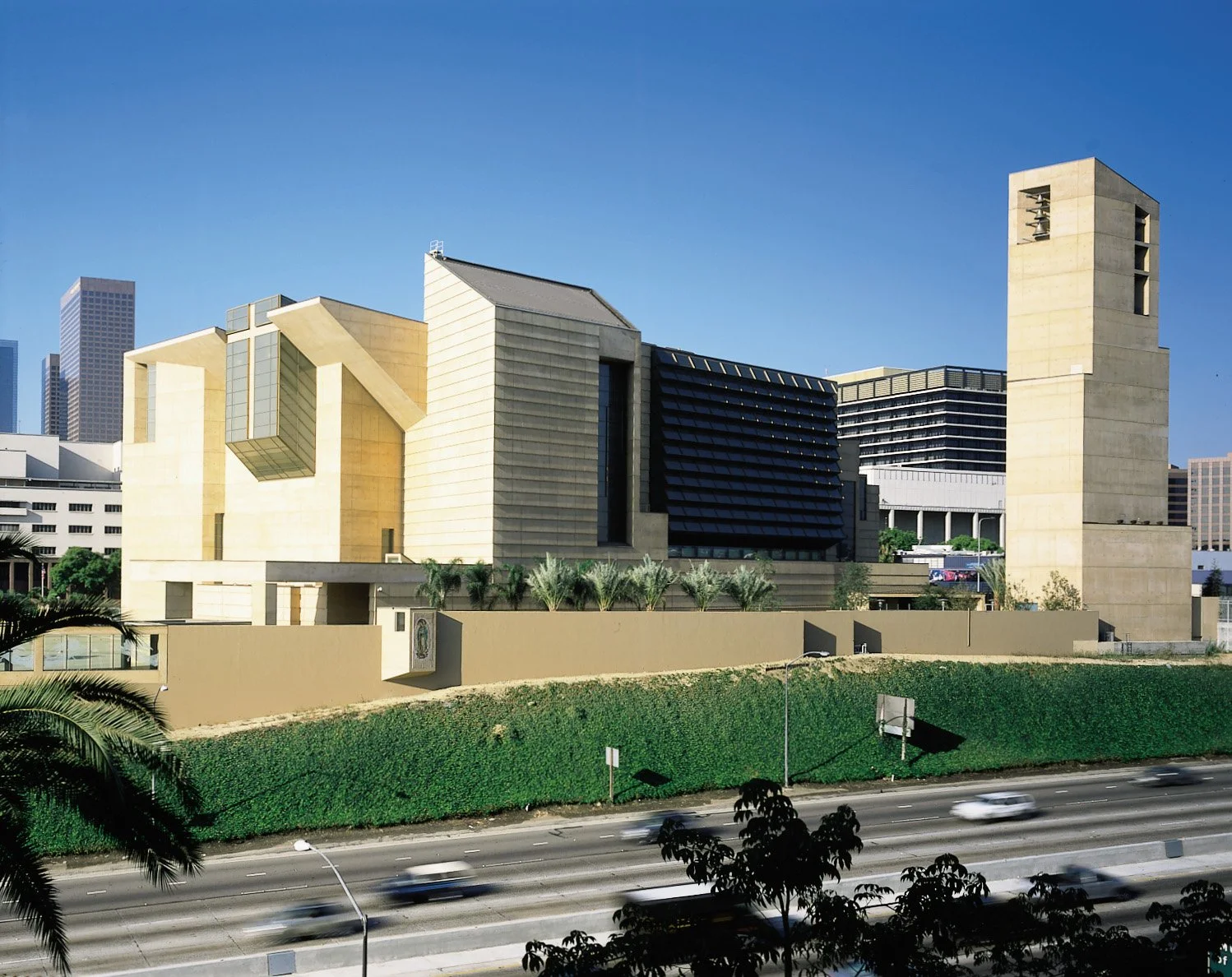
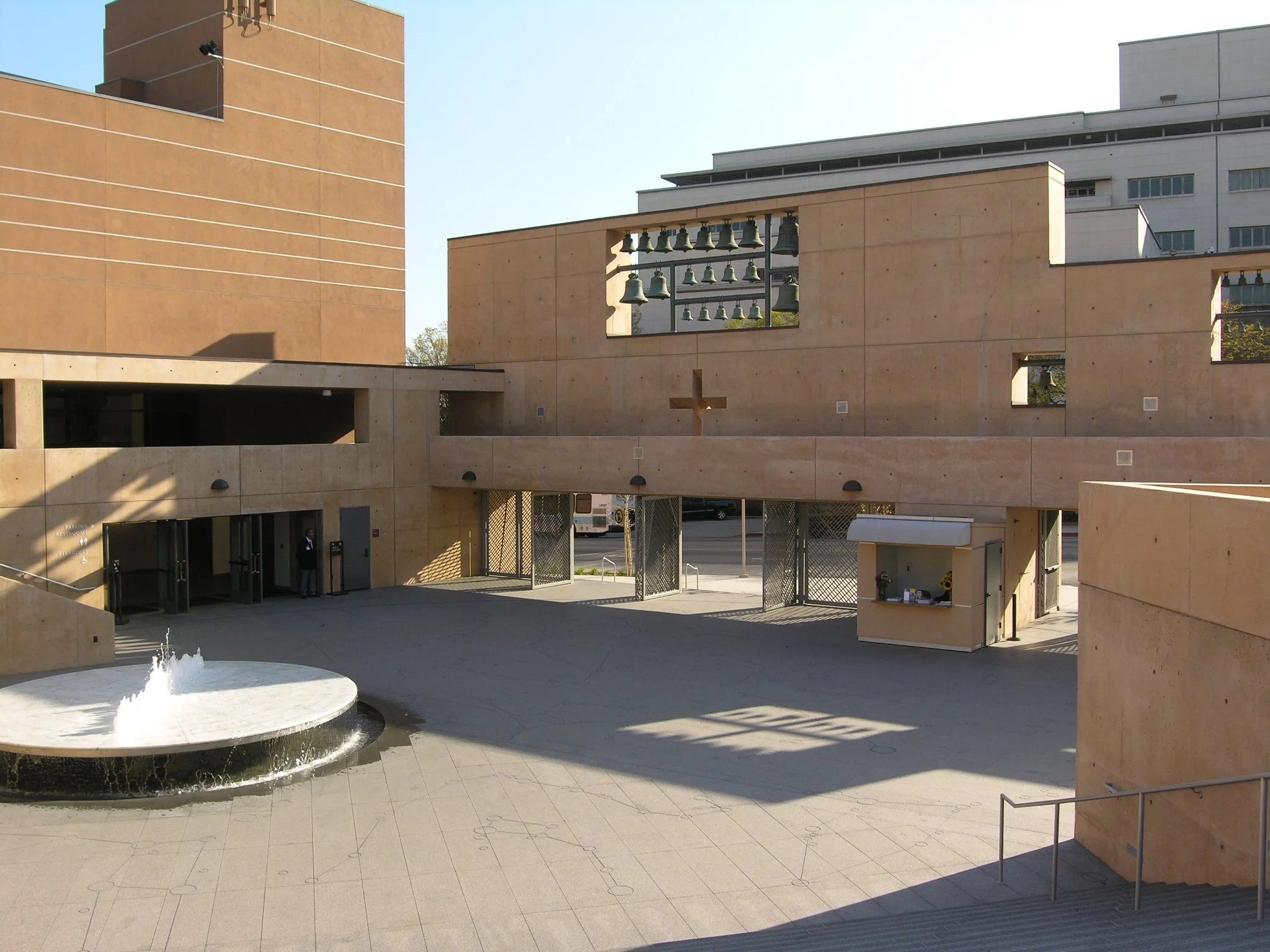
The iconic Cathedral of Our Lady of the Angels was completed in 2002, providing a new downtown home for the Archdiocese of Los Angeles and catholic Angelenos in the region. Replacing the Cathedral of Saint Vibiana which was damaged in the 1996 Northridge earthquake, Our Lady of the Angels sits on a 5.5-acre site atop the 101 Freeway and was designed by Pritzker-prize winning architect Rafael Moneo with LEO A DALY as architect of record.
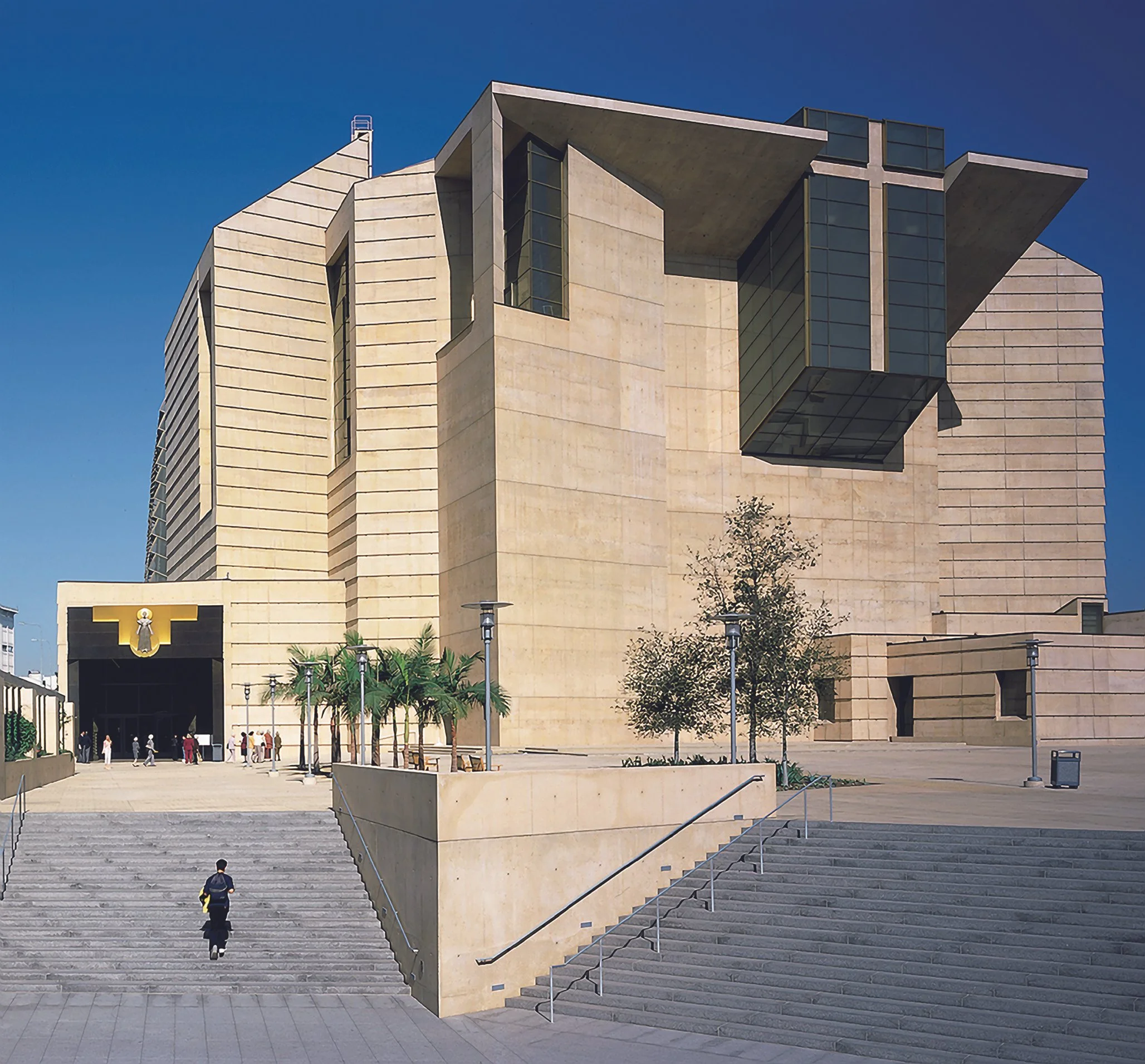
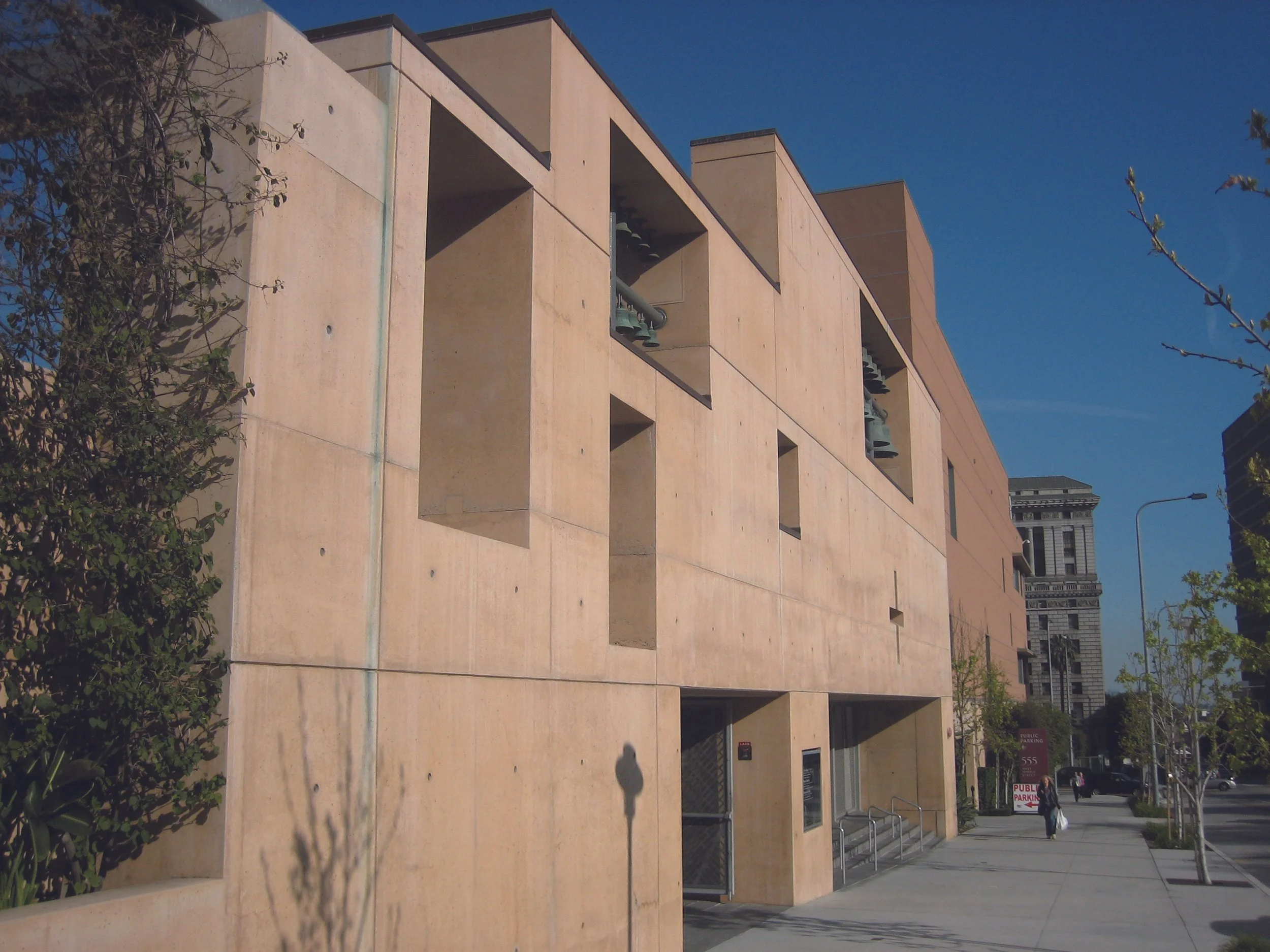
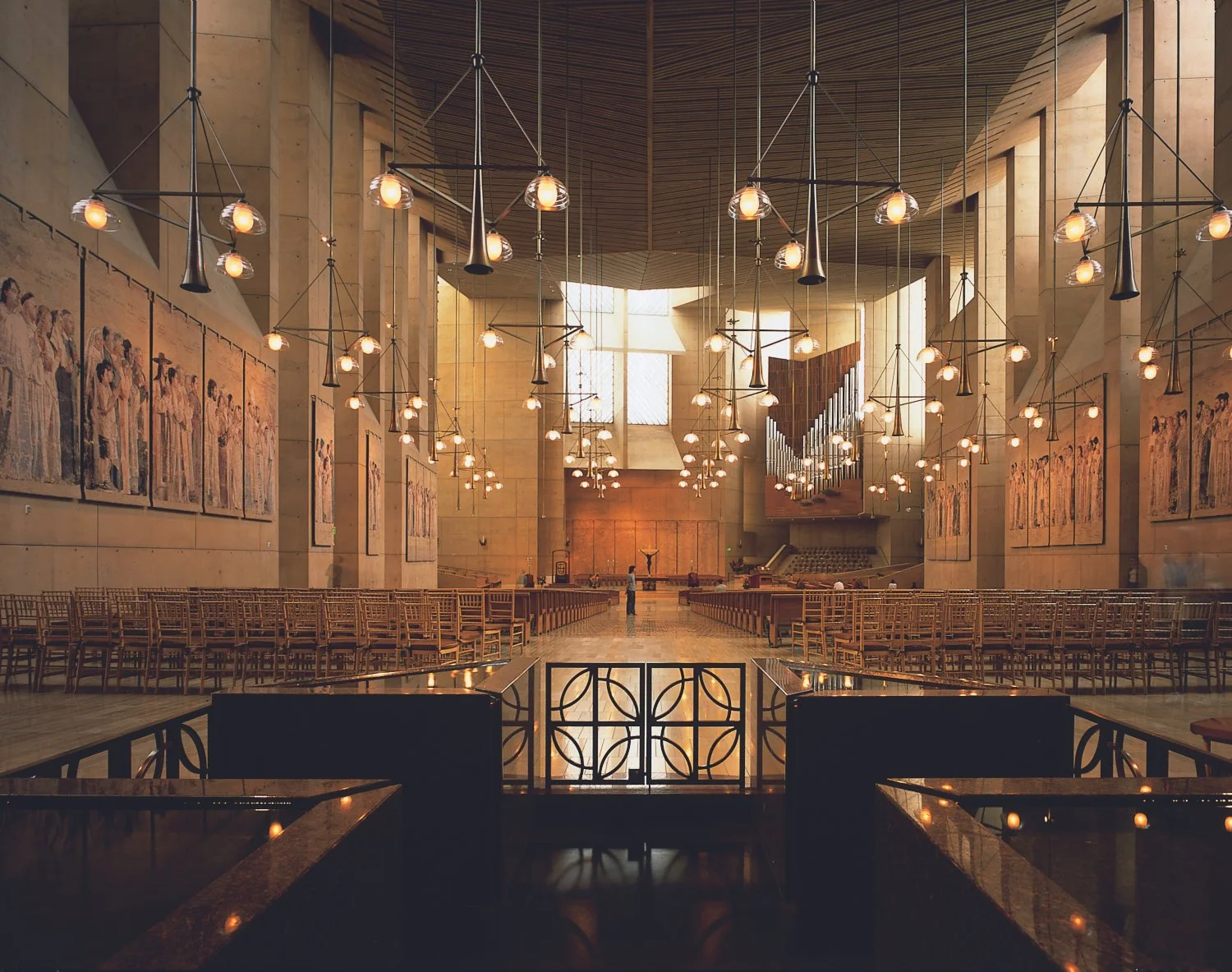
The cathedral seats 3,000 worshippers and can accommodate 5,000 in its grand public plaza for liturgical, cultural, and civic events. The project includes a 64,000-square-foot cathedral building with a 25,000-square-foot mausoleum; 156-foot campanile; a 56,000-square-foot conference center including a gift shop, café, parish offices, and meeting space for 1,200 people; a cardinal’s/clergy residence; and three levels of subterranean parking for 600 cars. The design commission for the cathedral resulted from a global competition. Using elements of post-modern architecture, the cathedral is quintessentially Los Angeles. Prominently visible from the adjacent freeway, the cathedral is part of the city’s primary connective network while the contemporary design serves as a reminder that the city is ever changing and future-focused.
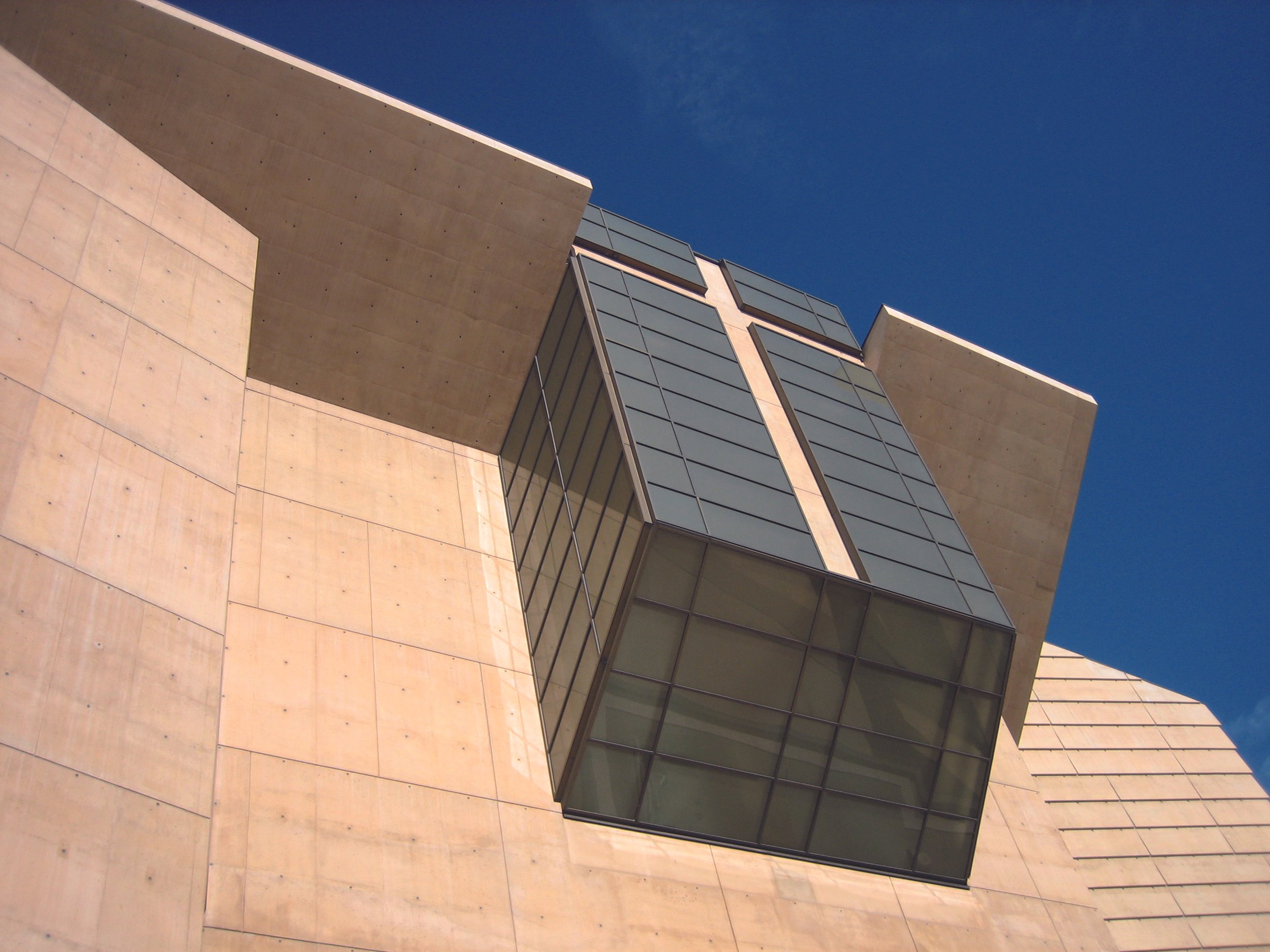
The 125-million-pound cathedral building rests on 149 base isolators and 47 sliders. When completed, the cathedral was the largest installation of alabaster windows in the world, faceted architectural concrete shear walls spanning up to 130 feet with hundreds of non-repeating angles, integration of commissioned art works, seismic base isolation, and architectural concrete designed for a service life of 500 years.