
Building future-proofed technology infrastructure: Five Questions with Cody Largent
Technology engineering leader ensures buildings remain functional and adaptable for decades
Technology is changing rapidly, spurring major changes in how we operate even from one year to the next. Buildings, on the other hand, are designed to last for decades. An office building or hospital constructed today will long outlive the technologies we consider cutting edge.
LEO A DALY’s Cody Largent, PE, RCDD, specializes in equipping buildings with the proper technology and infrastructure to ensure the facility lasts. He and his team work with owners to find the proper security, audio/visual, telecommunications and wireless technology — for today and for the future. In this article, Largent explains how he works with clients to find the right technological solutions.
Recent Perspectives
1. How do you determine what technology infrastructure a facility will need?
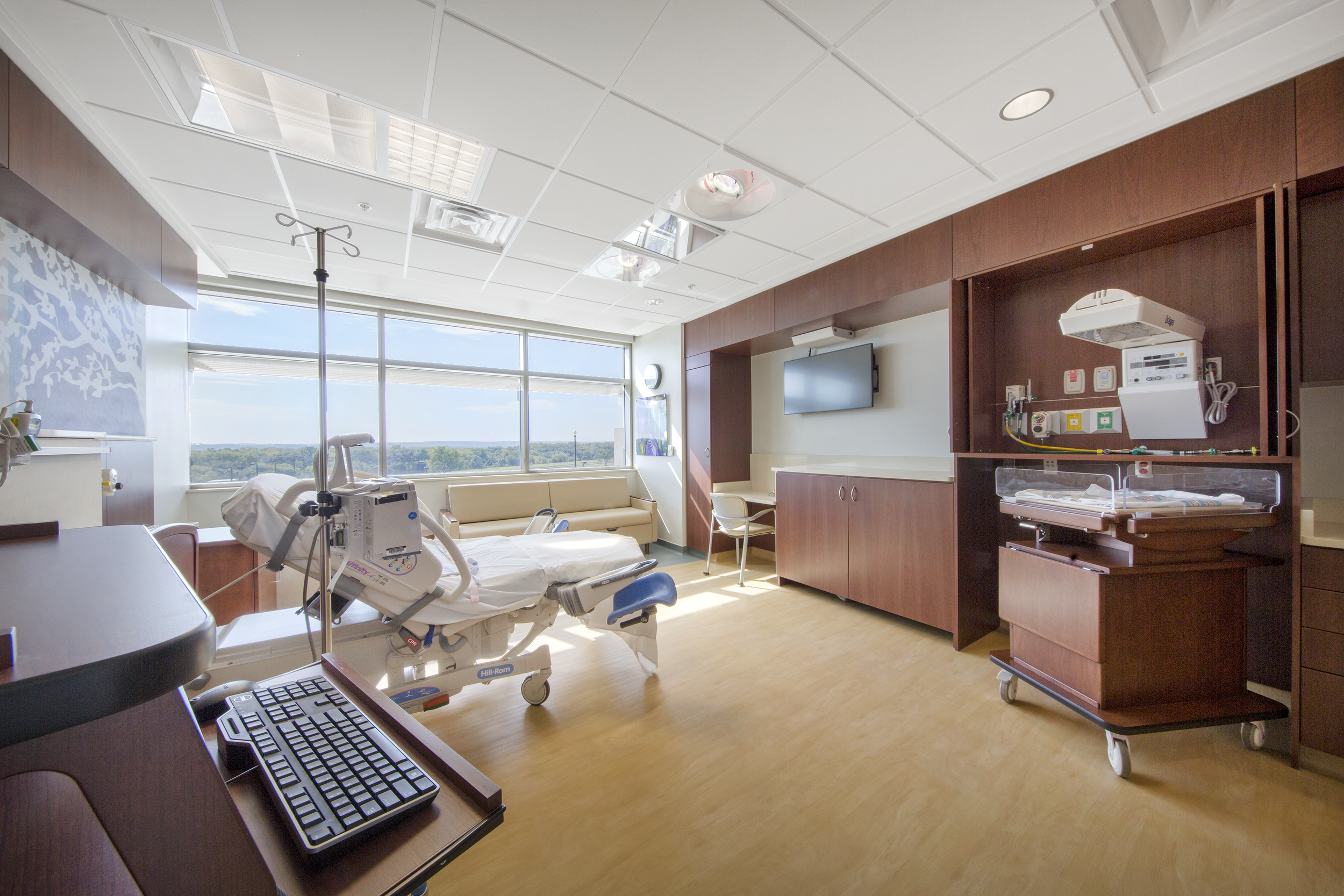
Our team always starts the process of understanding the needs of a facility with a consultation meeting with the owner. This meeting is similar to a conceptual design meeting that our architecture teams typically hold, focused on broad ideas and potential ways to use current and new technologies moving forward.
We use this time to ask key stakeholders what they currently use in their facility, what currently works well, and what needs to be improved for their next project. We also use this meeting as ideation, sharing new technologies that are on the horizon, learning what is critically important to the owner’s success, and determining what processes have been hampered by poor technology implementations in the past.
2. How do you balance budgetary restrictions with optimizing performance for the needs of the owner?
One of the biggest challenges our clients face is understanding where their dollars for IT, security, and audiovisual are going. To facilitate knowledge-sharing, we involve key stakeholders (IT groups, AV groups, security teams, and project managers) early to understand what they’ve budgeted for a project and what their goals are for each of these systems.
To help balance improving performance and the budgetary restrictions of each group, we use a “good-better-best" comparison matrix to help guide our clients through the process. Using a matrix like this isn’t intended to flesh out all of the design decisions, but instead focuses on how our clients are spending their dollars and making the most effective use of this.
For instance, when our team is designing a video surveillance system, we can look at 3 different levels of security cameras to use across the project scope. Through this discussion and discovery process, we help work with our clients to understand what areas require a high level of scrutiny (the “best”) and what areas need an effective, but more cost-conscious approach (the “good”). Using this process, our clients have a clear understanding of their estimated spends during design.
3. How do you build ownership in the process among the end users?
It’s incredibly important to our team to involve end users and key stakeholders in reviews of the design and user group meetings as early in the design process as possible. By involving all parties early in the process, everyone feels a sense of ownership over the design and improves overall communication throughout the lifespan of the project. This allows our design team to react to owner changes and updates on the fly.
For example, we recently had a client update a number of their telecommunications and security standards over the course of a project. Instead of being caught off guard and having misaligned expectations, we brought them in early and, working with their team, identified what items were most important to their team and improving our design to be aligned with their team’s expectations. Through multiple meetings and reviews of the drawings, our team was able to implement the new design direction and made sure our client was getting the new technology and infrastructure that they wanted to build upon in the future.
4. How do you bring that all input together into a cohesive technology design?
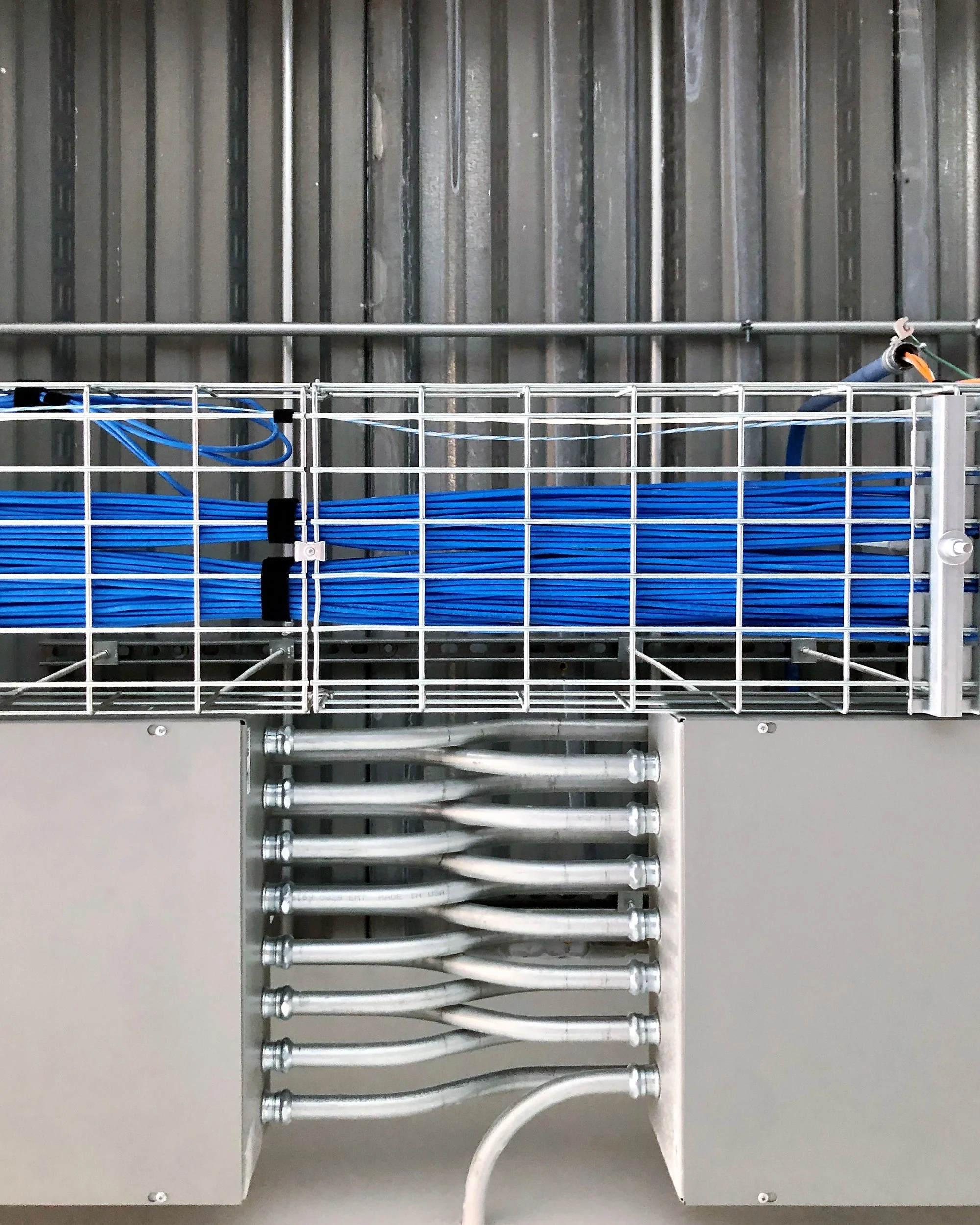
Throughout the design process, our team gathers a lot of information and decisions from our owners, stakeholders, and our internal teams to inform the design. As we record these decisions in meeting minutes, drawing markups, and in a log of all the decisions made, we can use this information to finalize the contract documents that are eventually sent out to general contractors and their subcontractors.
These decisions and design elements flow into many aspects of our designs, whether this is reflected in a responsibility matrix (helping our clients and contractors know who is purchasing and installing what), our internal calculation and design tools, and into our floor plans and technical diagrams, which flesh out the full design for contractors to accurately bid off of. Our design process also includes multiple quality checks throughout, making sure that the design that our clients receive has been reviewed by one of our senior technology team members.
5. With new technologies coming online all the time, how do you ensure your designs will serve the owner’s needs for decades into the future?
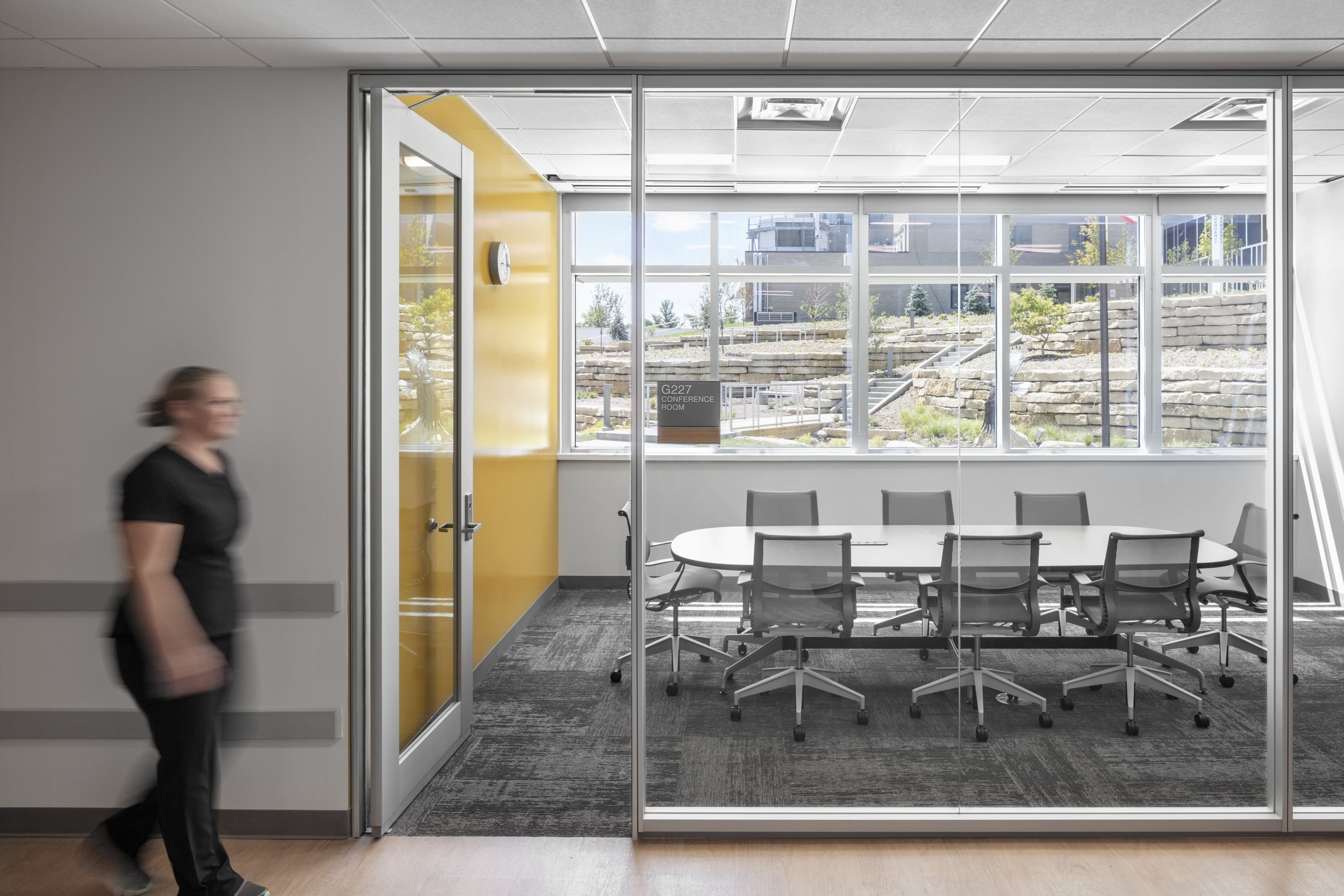
Our designs always contemplate future needs and what technologies will require in five, 10 or 20 years and beyond. We ensure that our designs not only meet the needs of our clients today, but also are able to address any moves, adds, or changes that come down the road as new technologies are added to the building. We also stay up to date on the latest technologies and what may be coming down the pipeline, and use this practical knowledge to help inform our designs across our portfolio of work.
For example, I worked with a large commercial client who anticipated many physical shifts in the post-COVID environment. Every year to 18 months, they would move their workspaces — a spot that today is desks for sales staff could hold IT or even conference rooms next year. During that design we ensured every space could accommodate power users, even if it currently did not need to. We also helped them develop a robust roadmap and standards so in the future they can quickly update infrastructure (such as a higher grade of category cable or moving to fiber to the desktop), assess new technologies against their current needs, and evaluate whether a technology implementation makes sense, such as wireless first deployments or wireless cubbies.
Infrastructure should be designed to be flexible, to allow for all these possibilities. Then, when new technology comes online, we’ll be ready for it.
About the author

Cody Largent, PE, RCDD
Practice Lead, Technology
Cody Largent is a technology engineering leader with over eight years of experience specializing in telecommunications, security, wireless design, and project management. He is passionate about collaborating with clients and end users to develop tailored technology solutions that address both current and future needs. Cody excels in cross-discipline collaboration, ensuring seamless integration of technology into the overall design. He holds a Master of Architectural Engineering from the University of Nebraska-Lincoln and is a licensed Professional Engineer and Registered Communications Distribution Designer.